

How to Tell If Your Dog Is Mad at You and What to Do
If you’ve ever playfully teased a dog—stealing a bone, pretending to throw a ball, or poking fun—it can quickly turn from fun to tension. The dog may bark, stiffen, growl, or walk away, leaving you to wonder, Is my dog mad at me?
Can dogs actually feel anger, frustration, or annoyance? While we’re different species, many of their basic emotions mirror ours. Recognizing these feelings helps us respond with empathy and guidance.
As a certified professional dog trainer with over 13 years of experience, I’ve seen my own Chihuahua get scared during fireworks, thrilled by a snuffle mat, and yes—angry when removed from a lap. Understanding canine emotions lets us nurture the positive ones and ease the negative.
To explore dog anger, I consulted three leading canine‑behavior experts. Below you’ll discover why dogs get angry, the warning signs, and practical steps to de‑escalate.
Subscribe to Reader’s Digest’s Read Up newsletter for more pet insights, humor, travel, tech, and fun facts.
About the Experts
- Marc Bekoff, PhD – Professor emeritus of ecology and evolutionary biology, University of Colorado Boulder. Author of Dogs Demystified and The Emotional Lives of Animals.
- Sagi Denenberg, DVM – Veterinary behaviorist at North Toronto Veterinary Behaviour Specialty Clinic and contributor to the Merck Veterinary Manual.
- Michael Shikashio, CDBC – Certified dog behavior consultant, founder of the Aggression in Dogs Master Course, and international speaker on canine aggression.
Do Dogs Get Mad at Their Owners?
Yes—dogs experience anger, but it’s a simpler, primary emotion than the complex mixes humans feel (e.g., jealousy plus embarrassment). While we might imagine a dog resenting a plate of chicken or a phone‑obsessed owner, research suggests canine anger is more straightforward.
What Does “Mad” Mean for a Dog?
Neuroscientist Jaak Panksepp identified seven primary emotions shared by all mammals: seeking, care, play, lust, fear, panic, and rage (anger). These are instinctual, unlike secondary emotions such as jealousy, which require learning.
Veterinary psychiatrist Dr. Sagi Denenberg confirms that dogs possess brain structures and neurochemistry similar to ours, producing comparable behaviors in comparable situations. Still, we must avoid anthropomorphism—projecting human motives onto dogs.
Why Might a Dog Be Angry?
Dogs don’t act out of spite, but they can become frustrated. Common triggers include resource guarding (e.g., food or chew toys) and sudden, unwanted contact. As Michael Shikashio explains, having a prized item taken away can shift a dog from fear to rage, much like a human’s reaction to a sudden snatch of food.
How to Recognize When Your Dog Is Angry
Dogs express anger in various ways, just as people do. Below are the most reliable signs:
Aggression
 Piter1977/Getty Images
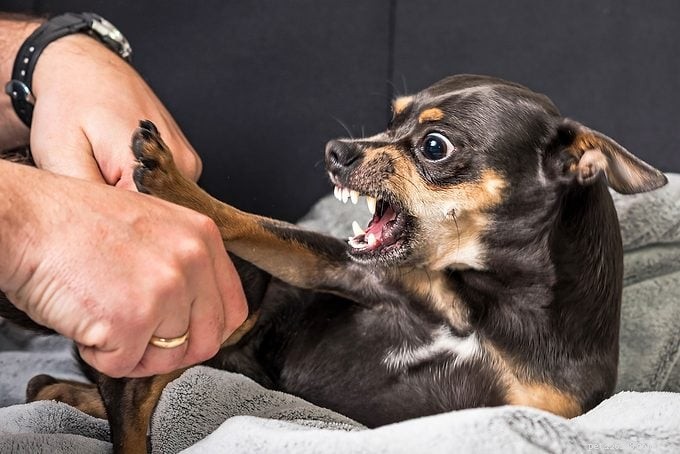
True anger may manifest as growling, snarling, lunging, or even a bite—especially if you threaten a resource or force unwanted physical contact. Look for forward‑facing ears, a hard stare, a lip pucker (corners of the mouth pulled back), stiffened legs, a high flagging tail, and rapid, staccato barking.
Avoidance
 AMR Image/Getty Images
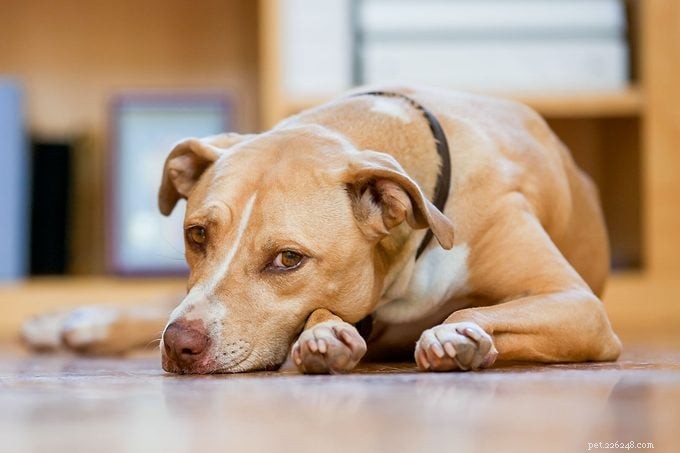
Some angry dogs choose to walk away, turn their heads, or sniff the ground. Avoidance can also signal stress or a need for space after a reprimand. Observe accompanying body language—tucked tail, yawning, or pulled‑back ears—to differentiate anger from general anxiety.
How to Respond to a Dog’s Anger
Reacting with anger or force only escalates the situation. Instead, follow these steps:
Think Like a Dog
Ask yourself why your dog might feel threatened or frustrated. Often it’s a direct result of your actions—like taking a treat or forcing contact. Understanding the trigger helps you respond calmly.
Become “dog‑literate” by learning the nuances of canine body language, as Marc Bekoff emphasizes.
De‑escalate Safely
 Capuski/Getty Images
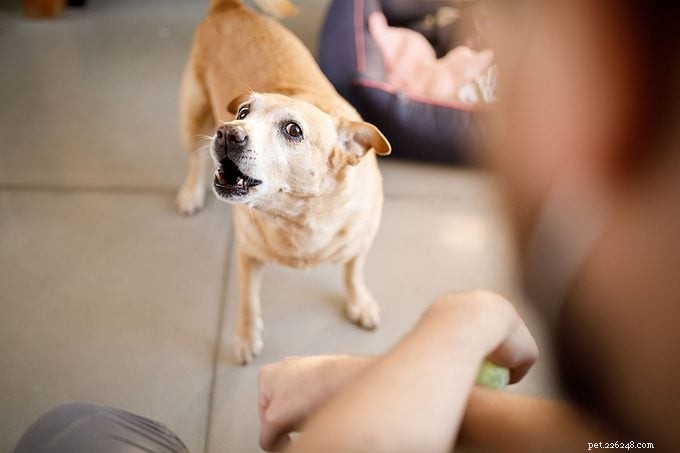
If the dog shows aggressive signals, stop the activity, give them space, and ensure safety for both of you. When the dog is merely avoiding, give them a few minutes to settle before re‑engaging.
After calm returns, you can offer a gentle cuddle or a treat as a “peace offering.”
Teach Alternative Responses
Identify the trigger and work on desensitization. Use counter‑conditioning—pair the trigger with something the dog loves (e.g., chicken pieces) to replace anger with positive anticipation.
Response substitution is another tool: teach a specific behavior (like lying down) when you approach the food bowl, then reward it. Consistency builds a new, calmer response.
Dr. Denenberg notes that routine management and gradual exposure under controlled conditions are key to long‑term success.
Why Trust This Advice
Reader’s Digest collaborates with qualified experts. This article was written by Stephanie Gibeault, MSc, CPDT‑KSA, a certified professional dog trainer, and reviewed by DVM Wailani Sung of Bay Area Vet Behavior. All facts are sourced from peer‑reviewed research and expert interviews.
Sources
- Marc Bekoff, PhD – email interview, March 25, 2024.
- Sagi Denenberg, DVM – email interview, March 29, 2024.
- Michael Shikashio, CDBC – video interview, March 29, 2024.
- Frontiers in Neuroscience: “Selected Principles of Pankseppian Affective Neuroscience.”
- Psychological Science: “Dogs Mentally Represent Jealousy‑Inducing Social Interactions.”
- Pet Behavior
- Pet Breeds
- Pet Names
- Pet Adoption
- Pet Training
- Pet Information
- Pet Health
- Adorable Pets
- Dogs
- Shukin Goldfish: Elegant, Peaceful Ornamental Fish Breed
- How to Safely Transport Your Dog in a Car: Best Practices & Legal Requirements
- Are Eggs Safe for Dogs? A Guide to Raw, Cooked, and Egg Shell Consumption
- Bloodhound Breed Guide: Pros, Cons, and Care Tips
- How to Stop Cats from Scratching Furniture: Expert Tips & Solutions
- How to Pet a Dog: A Step‑by‑Step Guide for a Safe and Enjoyable Interaction
- Thanksgiving Foods to Keep Your Pet Away From