

How to Stop Cats from Scratching Furniture: Expert Tips & Solutions
As a cat owner, dealing with scratching can feel like a constant battle. While all felines have a natural urge to scratch, some are more prone to damage your favorite furnishings. The good news? With the right approach, you can redirect your cat’s behavior and protect your home.
Why Cats Scratch Furniture
Cats scratch for several reasons: marking territory, sharpening claws, stretching muscles, or simply because it feels good. According to the American Veterinary Medical Association, about 70 % of cats will scratch furniture if they’re not given an appropriate outlet.
When a cat lacks a suitable scratching surface, they’ll turn to the nearest available item—usually your sofa, curtains, or upholstery.
Consult a Vet for a Tailored Plan
- 24/7 care from top‑rated veterinarians
- Unlimited vet calls & messaging
Effective Ways to Stop Your Cat from Scratching Furniture
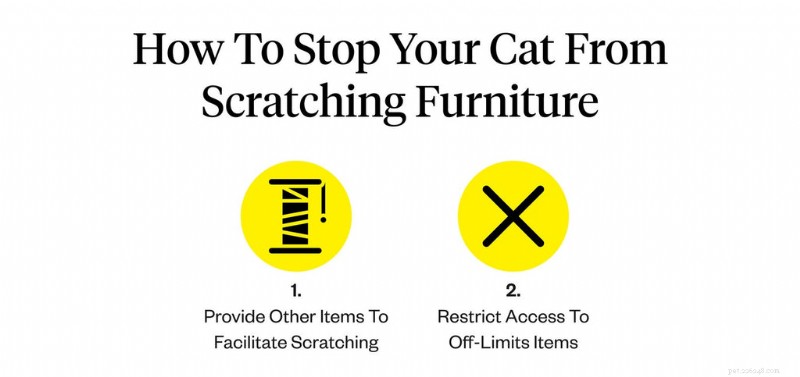
Providing alternatives and limiting access are the cornerstone strategies. Below are proven methods to safeguard your furniture while keeping your cat happy.
1. Offer Appropriate Scratching Surfaces
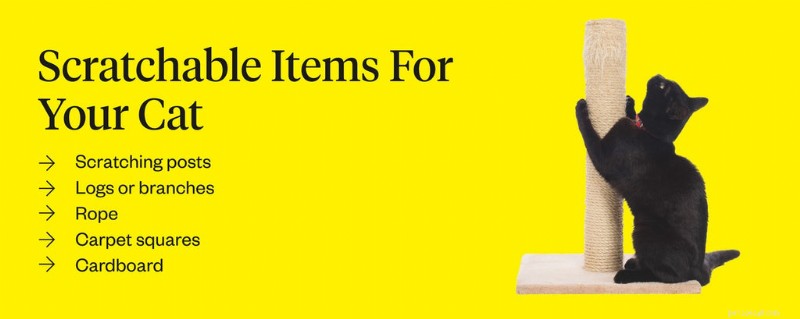
Choose a scratching post that matches your cat’s preferences—vertical posts for climbing, horizontal pads for flat scratching, or a combination of both. Materials like sisal rope, cork, or rough cardboard are popular choices. Many owners find that a post with a built‑in toy or catnip spray can attract attention and encourage use.
Popular options include:
- Vertical sisal posts
- Horizontal carpet squares
- Log‑shaped natural wood posts
- Interactive toys with attached scratching strips
2. Restrict Access to Sensitive Areas
If a particular couch or area is consistently targeted, consider temporarily removing the cat from that room or covering the spot with a lightweight, removable barrier (e.g., a throw blanket). This simple tactic can reduce frustration and teach your cat where scratching is acceptable.
For furniture that can’t be moved, low‑toxic deterrent sprays are available. Test the spray on a hidden spot first to ensure it won’t damage the fabric.
Introducing Your Cat to a Scratching Post
Simply placing a scratching post isn’t enough; you must actively encourage your cat to use it. Here are a few tricks:
- Wipe the post with a thin layer of catnip to spark curiosity.
- Use a laser pointer to guide your cat’s attention to the post.
- Reward with treats or gentle praise after each successful use.
Never force a cat onto a post—doing so can create a negative association. Allow them to explore on their own time.
Declawing is never recommended. It can cause pain, infection, and long‑term mobility issues, and is prohibited in several countries.
Managing Your Cat’s Scratching Habit
While scratching is normal, a balanced approach ensures it stays confined to appropriate spots. Combine quality posts, strategic restrictions, and occasional vet guidance to maintain a harmonious living space.
If you’re uncertain how to tailor a plan for your specific cat, Dutch can connect you with veterinarians for expert advice via video chat and on‑demand messaging. They also partner with pharmacies for prescription deliveries.
Talk to a Vet at Dutch About Your Cat’s Scratching
- 24/7 care from top‑rated vets
- Unlimited vet calls & messaging
- Pet Behavior
- Pet Breeds
- Pet Names
- Pet Adoption
- Pet Training
- Cat Stories
- Pet Health
- Adorable Pets
- Cats
- Stop Your Cat From Chewing Cords & Wires: Safe & Simple Solutions
- Kong Wobbler Review: Durable Interactive Food Dispenser for Dogs
- Effective Modern Puppy Training: Gentle, Proven Methods for a Well‑Behaved Companion
- Understanding Why Dogs Pee on Trees and How to Stop It
- The Science Behind Your Cat’s Rough Tongue – 10 Surprising Facts
- Highlights from the 2018 National Cat Awards Gala
- Ringworm in Cats: Essential Facts Every Owner Should Know