

11 Signs Your Dog Needs Obedience Training
Whether you just adopted a puppy or have shared years with your canine companion, you may wonder if obedience training is necessary. The short answer is yes—especially if your dog hasn’t completed a basic course. "Any dog can use training," says Nicole Ellis, a certified professional dog trainer with Rover. "It provides mental stimulation and strengthens the bond between you and your pet."
While every dog benefits from learning, some behaviors signal an urgent need for structured training. Spot any of the following 11 signs—ranging from fear‑based to boredom‑driven—and consider enrolling your dog in an obedience class. A few hours each week can boost confidence, challenge the mind, and make daily life smoother for both of you.
 Capuski/Getty Images
They snarl or growl when you approach their possessions
When you reach for a favorite toy or their food bowl and receive a snarl, your dog is exhibiting resource guarding. This behavior occurs when a dog feels the need to protect something valuable, explains Dr. Alett Mekler, DVM and certified canine rehabilitation practitioner at Four Paws Mobility. If unchecked, the dog may learn that showing teeth gets what it wants. A trainer can teach a reliable "leave it" cue and reward compliance, turning the guarded item into a "jackpot" for the dog.
 Michelle Kelley Photography/Getty Images
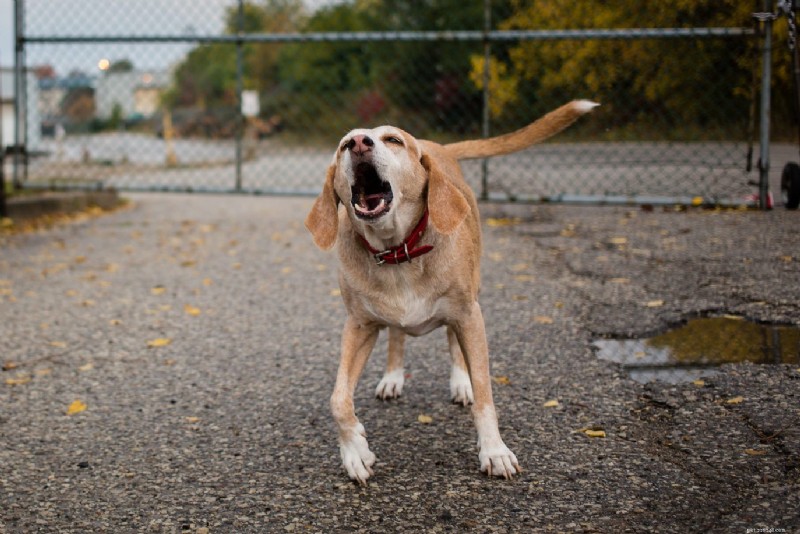
They bark excessively
Constant barking can stem from many sources—alerting, fear, protection, or simply a vocal personality. "The first step is identifying the trigger," says Ellis. Once the cause is clear, a trainer can assign a new job for the dog, such as moving to a designated spot when the doorbell rings or playing with a mental‑stimulation toy during typical barking times.
 Tudor Costache/Getty Images
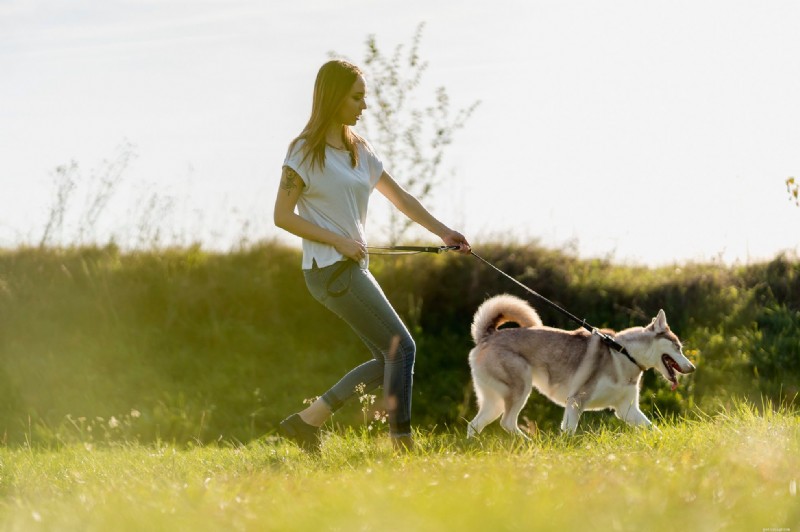
They have poor leash manners
Pulling, lunging, or getting tangled on walks isn’t just annoying—it can be dangerous. Dr. Mekler notes that improper leash behavior can lead to falls or accidents in traffic. Obedience training teaches loose‑leash walking and can be reinforced with a well‑fitted harness, making outings safer for both owner and dog.
 Westend61/Getty Images
They chew up the house
Destructive chewing often signals boredom. "Dogs that destroy items are usually looking for mental engagement," says Ellis. Teaching new commands and providing puzzle toys can channel that energy into constructive activities, reducing the urge to gnaw on shoes or furniture.
 PM Images/Getty Images
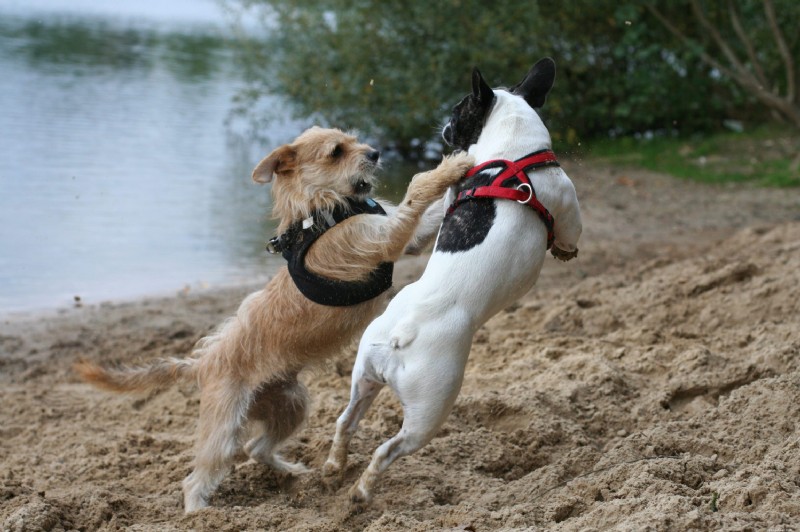
They’re aggressive toward other dogs
If your dog lunges, snaps, or otherwise behaves aggressively at the dog park, a professional trainer should intervene promptly. While not every dog will get along with every other dog, aggression is not acceptable. A trainer can work on safe, calm interactions and address any trauma or fear underlying the behavior.
 Anne Duden / EyeEm/Getty Images
They have separation anxiety
Many owners notice their dogs become stressed as soon as they start preparing to leave—picking up keys, putting on shoes, etc. The anxiety peaks within the first 30 minutes of departure, according to Dr. Mekler. A trainer can practice “departure drills,” where the owner mimics leaving without actually exiting, gradually reducing the dog’s distress.
 Todd Ryburn Photography/Getty Images
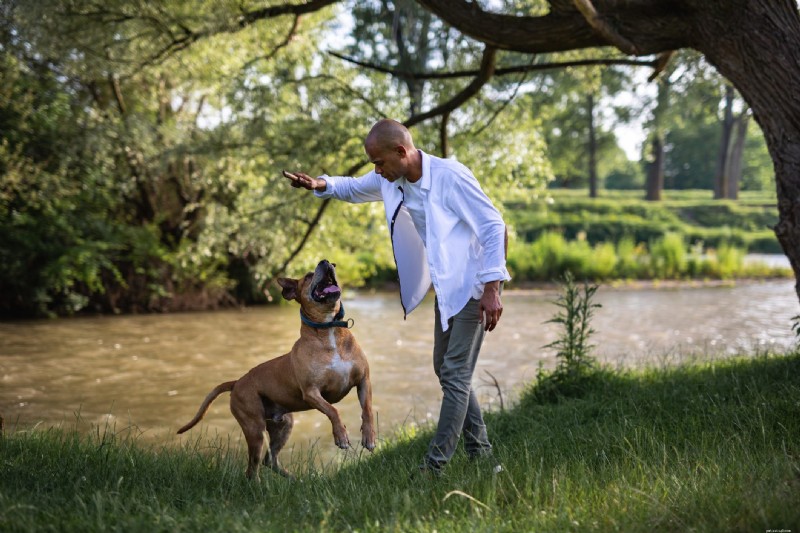
They ignore basic commands outside the house
A dog that obeys sit or stay indoors but disregards those cues on a walk may be testing boundaries. Veterinary technician Sukura Davis explains that this often stems from the dog feeling like the “boss.” Training reinforces the owner’s leadership, turning obedience into a trust‑building exercise.
 chabybucko/Getty Images
They’re fearful in new environments
Nervousness at the pet store, vet clinic, or any unfamiliar place indicates low confidence. Ellis recommends obedience classes as a way to expose dogs to varied settings while providing structure and positive reinforcement, helping them become more secure.
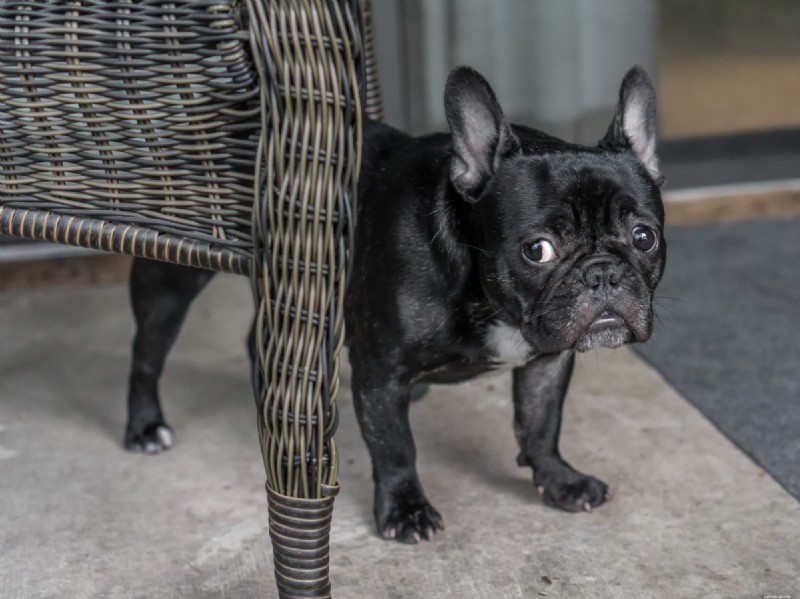 Chee Sim / EyeEm/Getty Images
They pee inside the house
Indoor accidents can be frustrating, especially when the cause isn’t medical. After ruling out health issues, an obedience trainer can design a consistent potty‑training plan, teach “go outside” cues, and advise on tools like washable pee pads. Consistent outdoor breaks are essential.
 Cunaplus_M.Faba/Getty Images
They jump on guests
Excited jumps may seem harmless but can be dangerous for children and seniors. The Humane Society recommends teaching a solid “sit” at the door and ignoring the dog if it jumps. Reward calm greetings with treats and praise to reinforce polite behavior.
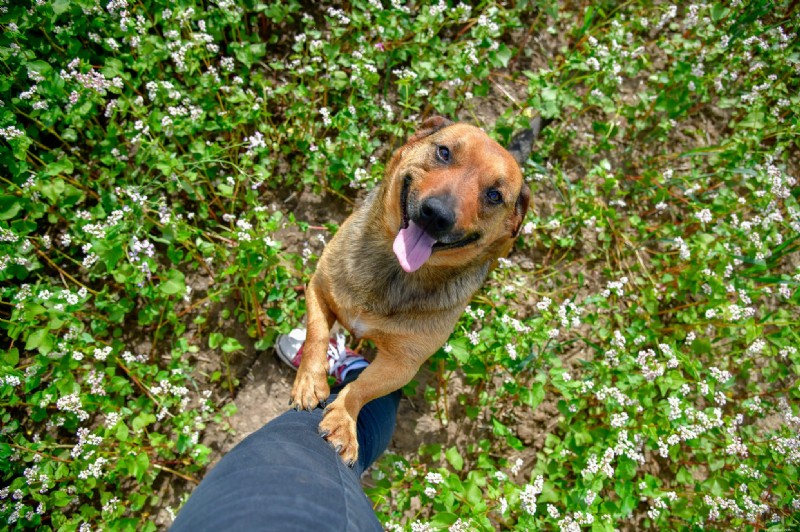 Daiva Baa / EyeEm/Getty Images
They bite or growl
Any sign of aggression—growling, snapping, or biting—requires immediate professional help. Ellis points out that subtle cues such as a hard stare, tightened body, or lowered tail often precede a flare‑up. A trainer will assess the root cause—fear, pain, protectiveness—and develop a tailored behavior plan.
- Pet Behavior
- Pet Breeds
- Pet Names
- Pet Adoption
- Pet Training
- Pet Information
- Pet Health
- Adorable Pets
- Dogs
- Chartreux Cat Profile: Traits, Images & Key Facts
- Advances in Hemangiosarcoma Research: Early Diagnosis & New Therapies
- UK Pet Obesity in 2022: 12 Key Statistics & Facts for Dogs, Cats & More
- 5 Ways Coconut Oil Benefits Your Dog: Health, Skin, Dental Care & More
- Is Yogurt Safe for Dogs? Nutritional Benefits & Precautions
- Could Cooked Meat Trigger Allergic Reactions in Your Cat?
- Border Collie–Labrador Mix: Traits, Training, & Care Guide