

Camping with Your Dog: Essential Tips for a Safe, Fun Outdoor Adventure
Exploring the great outdoors is even better with a four‑legged companion. According to The Dyrt’s 2026 Camping Report, dogs are the second most common camping partner in the United States—just behind spouses— with 49.7% of surveyed campers bringing their dogs along. Whether you’re a seasoned hiker or a first‑time camper, a little preparation can keep your pup safe, comfortable, and happy on the trail.
We consulted three veterinary experts—Cara McNamee, DVM; Juli Goldstein, DVM; and Michelle Dulake, DVM—to compile a practical checklist for camping with dogs.
Key Preparations Before You Hit the Trail
1. Get a Vet Check‑up
Schedule a veterinary exam well before your trip, especially for senior dogs or those with existing health concerns. The vet can confirm that your dog is fit for hiking, address mobility issues, and update vaccinations and parasite preventatives.
2. Build Up Physical Conditioning
Gradually increase your dog’s walking or hiking time—aim for 5‑10 minutes per week at first—to avoid soreness and fatigue. Even short campsite strolls can be taxing for dogs that aren’t used to regular exercise.
3. Plan for Heat and Meal Timing
During warm months, limit activity to the cooler parts of the day. Never feed your dog immediately before or after vigorous exercise, as large breeds are prone to bloat (gastric dilatation‑volvulus).
4. Recognize Overheating Signs
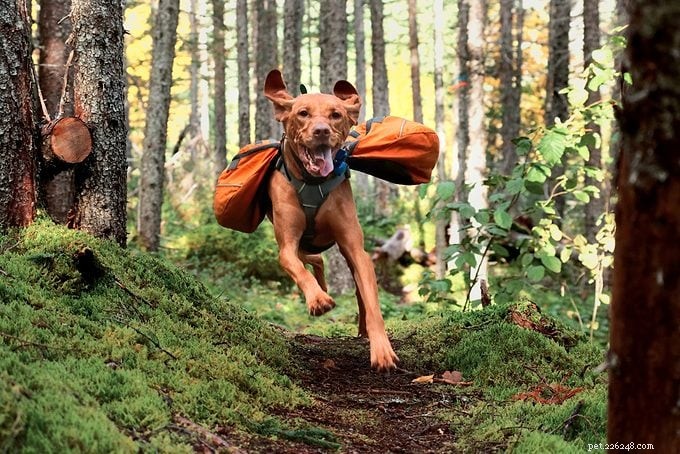
Watch for excessive panting, drooling, dry gums, vomiting, or collapse. Brachycephalic breeds (bulldogs, pugs, French bulldogs) are especially vulnerable. If symptoms appear, move your dog to shade, offer cool water, and seek veterinary care immediately.
5. Keep Preventatives Current
Ensure flea, tick, and heartworm preventatives are up to date. Ticks can transmit Lyme disease, Rocky Mountain spotted fever, and ehrlichiosis.
6. Verify Microchip Information
Confirm that your dog’s microchip is active and registered with current contact details. A microchip is the most reliable way to reunite with a lost pet.
7. Choose a Dog‑Friendly Campsite
Check the site’s pet policy before you book. Most campsites require dogs to be leashed and prohibit them from certain trails or wildlife areas. Always clean up after your pet to protect wildlife and other campers.
8. Keep Your Dog Leashed and Engaged
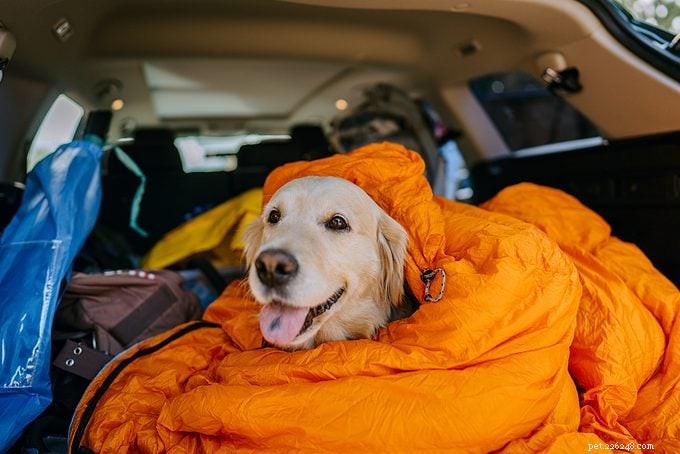
Use a sturdy, fixed‑length leash or a long line attached to a stake so your dog can explore safely without wandering off. Bring puzzle toys or treat‑dispensing toys to keep them occupied.
9. Arrange Sleeping Accommodations
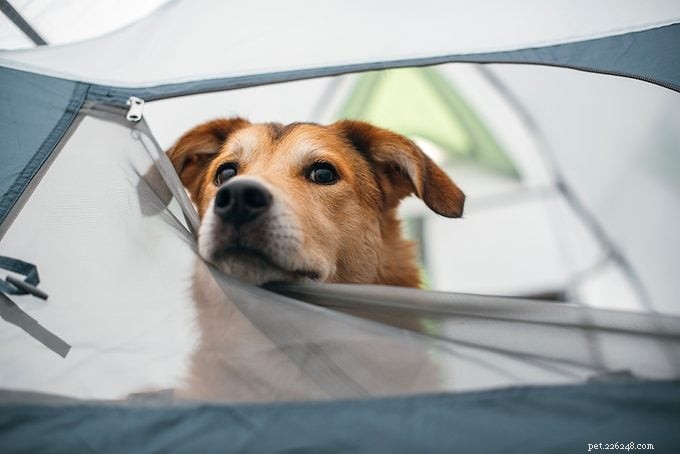
If you’re tent camping, choose a tent large enough for you, your gear, and your dog, or bring a portable crate for a crate‑trained pet. Never leave your dog unattended outdoors, especially in inclement weather.
10. Maintain Cleanliness
Wipe your dog’s paws and coat with a damp washcloth or pet‑safe wipes each day to remove pollen, mud, and ticks. Carry tweezers or a tick removal tool (e.g., ZenPet Tick Tornado) for quick tick extraction.
Dog Camping Gear: What to Pack
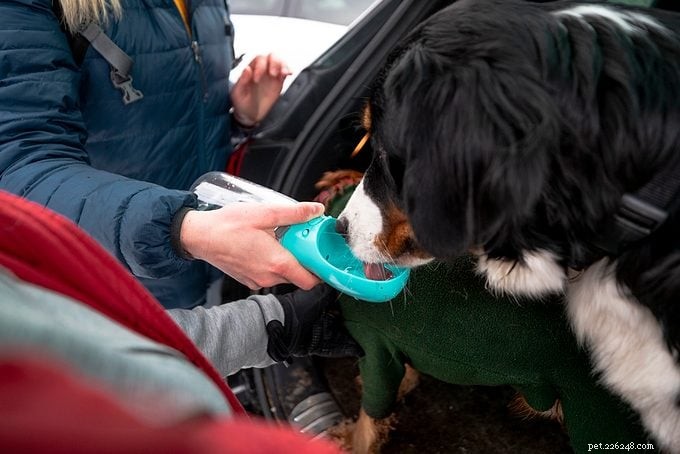
- Long leash or tether line: Provides freedom while keeping control; a fixed‑length leash is best for wildlife encounters.
- Collapsible travel bowls: Silicone or stainless‑steel bowls are lightweight and easy to clean.
- Airtight food container: Keeps kibble fresh and protects it from wildlife.
- Reflective harness with LED: Enhances visibility and offers a convenient place for poo bags and treats.
- Paw protection: Wax (e.g., Musher’s Secret) and a moisturizing balm prevent cracking; a paw cleaner helps remove debris.
- Poo bags: Essential for leaving no trace and preventing disease spread.
FAQs & Extra Tips
How much food and water should I bring?
Plan for at least 1 oz of water per pound of body weight daily (≈2 L for a 50‑lb dog). Never let your dog drink from natural water sources without treating it first.
How can I prevent stomach upset?
Stick to your dog’s regular diet and avoid sudden food changes. Pack gut‑supporting supplements such as pumpkin powder and keep trash securely stored.
What should I do in a pet emergency?
- Carry a recent photo of your dog (in case of loss).
- Know the location and contact information of the nearest veterinary clinic.
- Pack a pet first‑aid kit with bandages, antiseptic wipes, tweezers, and your dog’s medical records.
- Consider a pet‑first‑aid handbook or a short certification course.
What toys and treats are best for the campsite?
Durable, easy‑to‑clean toys (e.g., floating fetch sticks) and long‑lasting chews keep dogs occupied. Pack pocket‑size treats for quick energy boosts during hikes.
Can I bring multiple dogs?
Yes—just ensure the dogs get along, are not food‑aggressive, and each has its own gear and space.
About the Experts
- Cara McNamee, DVM – Managing veterinarian at Resurgence Veterinary Mobility, Atlanta; MSU College of Veterinary Medicine ’11; specialist in small‑animal rehabilitation.
- Juli Goldstein, DVM – Technical services veterinarian at Pet Vivo Animal Health; Auburn University graduate; 20+ years in small‑animal and aquatic medicine.
- Michelle Dulake, DVM – Veterinarian, pet acupuncturist, and co‑founder of Fera Pet Organics; Western University of Health Sciences alumnus.
Why Trust Us
Reader’s Digest collaborates with qualified experts, uses reputable primary sources, and continuously verifies facts to deliver accurate, trustworthy content.
Sources
- Interview with Cara McNamee, DVM (2022)
- Interview with Juli Goldstein, DVM (2022)
- Interview with Michelle Dulake, DVM (2022)
- The Dyrt: “2026 Camping Report”
- Pet Behavior
- Pet Breeds
- Pet Names
- Pet Adoption
- Pet Training
- Pet Information
- Pet Health
- Adorable Pets
- Dogs
- Are Christmas Trees Safe for Cats? Risks & Prevention Tips
- How to Earn a Stray Cat's Trust: 3 Proven Strategies
- Train Your Dog to Stay Calm at the Door: Simple Tips for Peaceful Home Visits
- Minskin Cats: Origins, Traits, and Temperament Explained
- Safe & Effective Ways to Administer Medicine to Your Dog
- Top 5 Reptile Pets for Your Home
- Red Fan Parrot: Comprehensive Species Profile & Care Guide