

How to Tell If Your Dog Is Right‑ or Left‑Pawed (And What It Means)
Our canine companions show preferences in everything from food to toys. One subtle habit you may have noticed is which paw they use to shake hands, tap a treat, or reach for a ball. Dogs, like people, often favor one paw over the other.
Do Dogs Have a Dominant Paw?
A 2021 study of 17,901 dogs (neuter status not recorded) found a modest population‑level bias toward the right paw. Overall, 60.7% of females and 56.1% of males chose their front right paw when retrieving food from a tube.
However, paw preference can vary by task. A smaller 2018 investigation observed 32 dogs performing two different tests: a “reach” task (batting a Kong ball) and a “step” task (descending stairs). The dogs were more likely to use either paw (ambilaterality) during the stepping test, suggesting that motor bias is not fixed across activities.
What Influences Paw Preference?
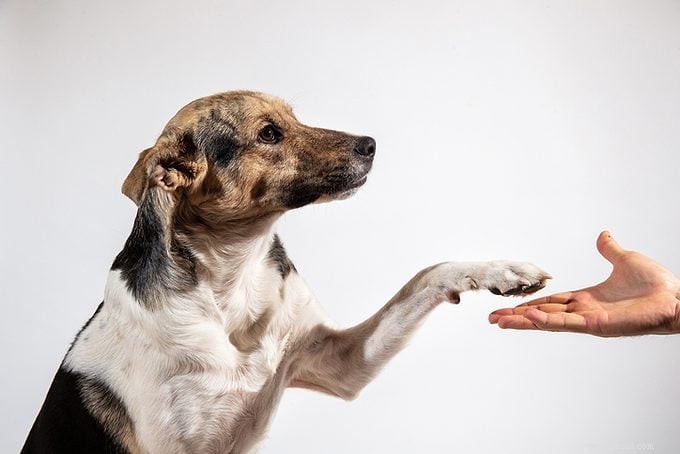
Current research links paw preference to brain laterality—the asymmetrical activity of the left and right cerebral hemispheres. Right‑pawed dogs tend to be left‑hemisphere dominant, while left‑pawed dogs show right‑hemisphere dominance.
The 2021 sample also revealed two demographic trends: (1) females were slightly more likely than males to favor the right paw, hinting at a hormonal component, and (2) older dogs showed a stronger right‑paw bias than younger dogs, indicating age may play a role.
Why Does Paw Preference Matter?
Some researchers argue that paw bias reflects emotional traits. The 2018 study reported that left‑limbed animals displayed stronger fear responses, proposing that motor asymmetry could help predict welfare risk.
Others caution against overinterpretation. Deborah Wells, a lead author on the 2018 work, notes that the connection between paw preference and animal welfare remains inconclusive and calls for more rigorous studies before using paw bias as a behavioral metric.
Simple Ways to Test Your Dog’s Paw Preference
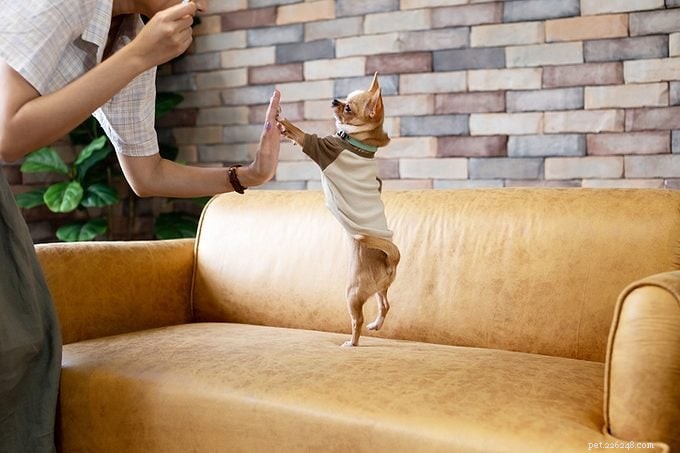
For a quick, informal test, ask your dog to sit and offer a paw. To be more systematic, try one of the following:
- Place a treat‑filled toy on the floor and note which paw the dog bats at first.
- Observe which paw the dog uses to step onto the first stair when climbing or descending.
Even if the results aren’t definitive, the exercise is a fun way to bond with your pet.
Sources:
- Science Direct: “The effect of sex and age on paw use within a large sample of dogs (Canis familiaris)”
- Science Direct: “Stability of motor bias in the domestic dog, Canis familiaris”
- Science Direct: “Paw preference as a tool for assessing emotional functioning and welfare in dogs and cats: A review”
- Science Direct: “Testing of behavioural asymmetries as markers for brain lateralization of emotional states in pet dogs: A critical review”
- Pet Behavior
- Pet Breeds
- Pet Names
- Pet Adoption
- Pet Training
- Pet Information
- Pet Health
- Adorable Pets
- Dogs
- Does Lack of Sleep Make Puppies Cranky? Learn the Signs and Remedies
- The Science Behind Why Dogs Love Fetch
- 10 Common Mistakes That Irritate Your Dog (And How to Avoid Them)
- Methylene Blue: Safe, Effective Treatment for Fish Eggs and Aquaculture Parasites
- Set Successful New Year’s Resolutions with the Hairy Dogfathers
- Do Dogs Live as Long as Humans? Uncover the Real Lifespan Gap
- Downy Woodpecker: America’s Smallest Woodpecker Revealed