

Caring for Your Senior Dog: Tips & Guidance
“His teeth are in great shape for a dog his age,” our new vet said.
A DOG HIS AGE?! I thought. WHAT is she talking about? He’s a PUPPY!
I was indignant.
It was the same sort of angry annoyance I felt the first time I didn’t get carded…
But, of course, he’s not a puppy. My little, huggy-bear, smoochy-face Lucas is 7ish years old. According to the ASPCA, “Most dogs enter their golden years between seven and 10 years of age, with large/giant breeds becoming seniors earlier than small breeds.” At around 80 pounds, Lukey’s a pretty large breed… and lest we forget his genetic ancestry.
Add that to Emmett’s 10ish years, and we’ve got the beginnings of a retirement community going on over here!
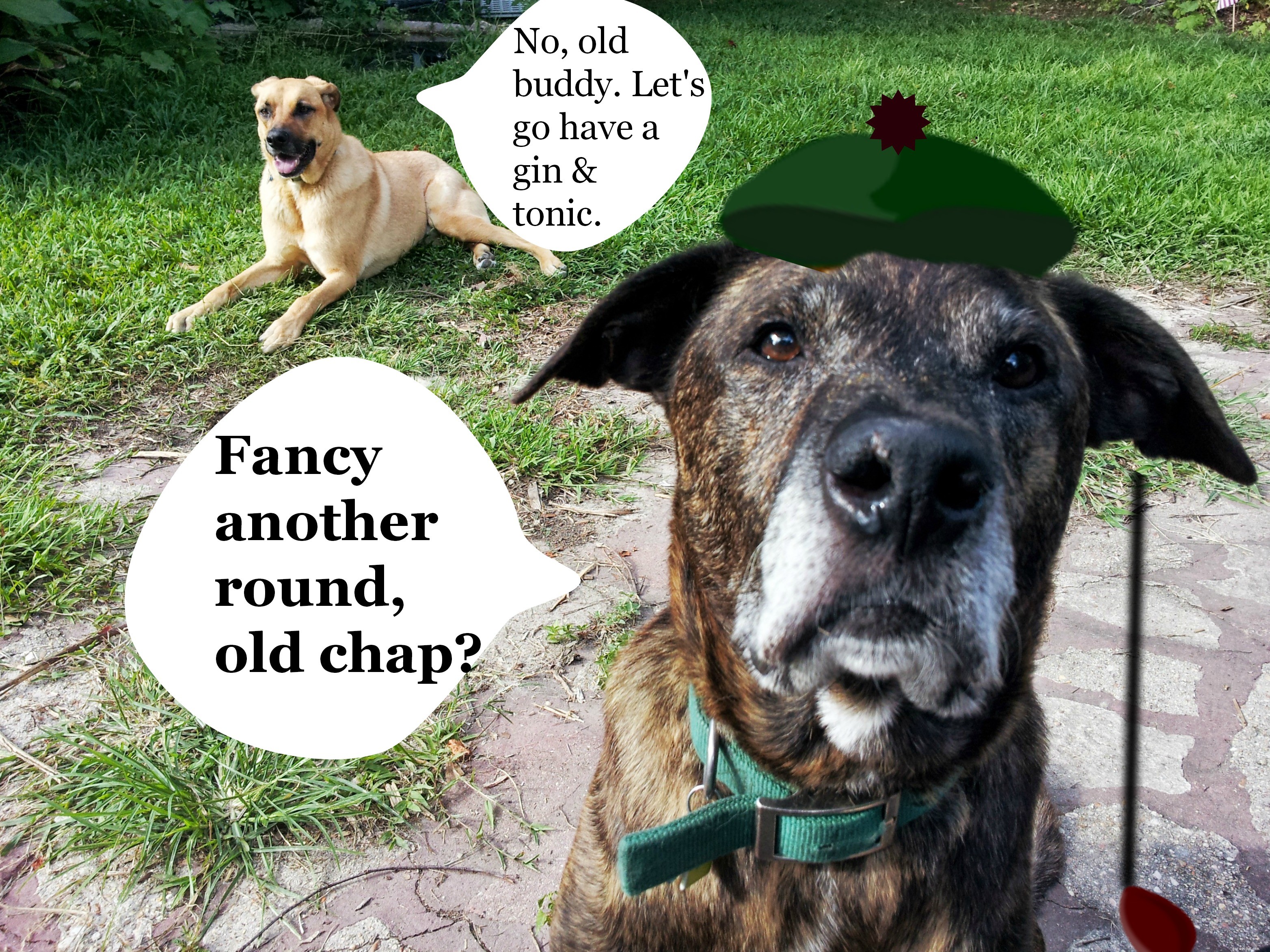
In truth, when I stepped back and thought about it, I realized we’ve been making subtle accommodations for them without ever giving conscious thought to the aging process.
We put a bench at the foot of our bed because Lucas was having a difficult time jumping up. Now, Emmett won’t jump up on the furniture at all, so I placed a dog bed in my office (while the other two usually lounge on the furniture like so, Emmett was always on the floor as shown in that pic… not good for his aging bones). We feed them less, though we’ve increased our exercise regimen. They both get joint supplements. Lucas can’t jump into the back of my SUV anymore, so we taught him to put his front paws up, then we lift his back, though I think we may be investing in a ramp in the near future.
All these changes happened incrementally. We barely even noticed, really.
On the one hand, I guess that shows they’re aging well.
On the other, it shows that we need to be more cognizant of their elderly pup status.
A few things I’m thinking about:
- Purchasing more rugs. Our house is all wood, and Lucas is starting to show signs of his back legs slipping on the wood as he tries to get up. (Added bonus, it’ll help Newt gain traction when Cooper is in all-out chase mode.)
- Adding pumpkin to their diet to encourage digestive health.
- Replacing (or repairing, if possible) the worn out dog beds that don’t have any cushion left.
- Scheduling twice-a-year checkups with the vet instead of just an annual shot fest.
What am I missing? Are you currently accommodating a senior dog? Any tips or tricks? What’s working for your senior pup?
- Pet Behavior
- Pet Breeds
- Pet Names
- Pet Adoption
- Pet Training
- Pet Information
- Pet Health
- Adorable Pets
- Dogs
- Effective Exercise Tips for Senior Dogs: Boost Health & Mobility
- Understanding Hair Loss Around Your Dog's Eyes: Causes & Solutions
- Is Your Dog Lethargic? 7 Key Signs & How to Help
- Keeping Senior Dogs Healthy in Winter: Expert Tips for Pet Wellness
- Managing Arthritis in Senior Dogs: Expert Care & Comfort Tips
- Managing Dementia in Senior Dogs: Compassionate Care & Decision Guidance
- Gluten-Free Dog Diets: Safe & Effective Solutions for Chronic Health Issues