

Keeping Senior Dogs Healthy in Winter: Expert Tips for Pet Wellness
When I was a girl, around this time of year, I used to go Christmas shopping and to lunch with my mom and grandmother. Everywhere we went would be over-zealously heated to compensate for the frigid, icy outside temps. I wore layers so that, when we stepped into the mall, I could take off a sweater to feel more comfortable. My grandmother, too, wore layers, but even in the heated shops, she was adding. A cardigan over her sweater, a scarf tied tighter around her neck, her gloves on until the food came. I remarked on this to my mom, and she said, “Well, as you get older, it’s hard to stay warm.”
Over the years I had forgotten about that conversation until recently. Now, I realize, that this applies to our aging dogs.
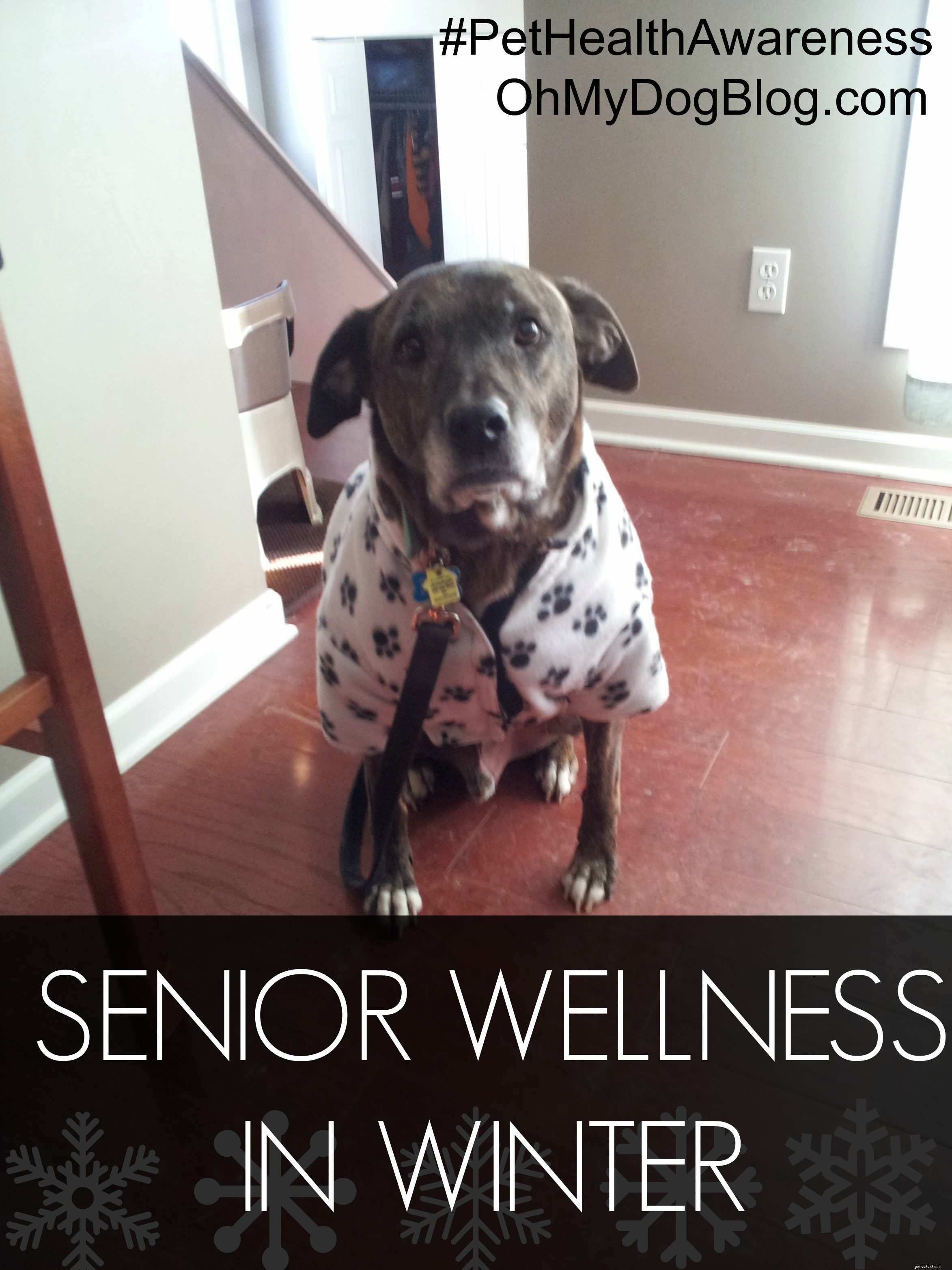
Emmett used to love the winter. This was long before Cooper, but he and Lucas would romp in the snow, tackle each other, and chase a bright red rubber ball through the drifts in our backyard. After an outdoor play session, they would curl up in front of the fireplace together and bake themselves warm.
At some point in the last couple years, that’s changed for Emmett. Now, he runs outside, does his business, and runs back in as fast as possible. Plus, as his joints have gotten stiffer over the years, I imagine his body feels the cold a lot more forcefully than it has in the past. His tolerance for winter has declined significantly, so we’ve found ways to accommodate him.
If you have an aging pup, there are a five things you can do to make the winter season more comfortable.
- Buy or make a jacket for your pup. Emmett has two, the fleece shown above and a water-proof version, which can be layered. We don’t usually put his coat on for a backyard potty break (unless it’s sub-zero), but for walks, it’s crucial.
- Salt and chemical de-icers are horrible for our dogs’ feet anyway, but for older dogs who might have a tougher time slipping and sliding on icy surfaces, boots are a must. They can be insulated or a simple rubber boot (like Pawz), but the goal is to provide your senior with some traction.
- Take shorter walks and don’t leave your senior outside for any longer than he wants to be out.
- Provide plenty of warm spots: a dog bed by the fire, a heated blanket on the sofa, a pile of warm knits (bonus if they’re fresh from the dryer) on a pillow for nestling.
- Talk to your vet about adding supplements that can help alleviate wintertime joint stiffness or, if necessary, your vet can help you choose a medication to manage joint pain.
And, of course, for the benefit of both you and your senior pup, spend as much time snuggling this winter as possible!
How does your dog do in the wintertime? Have you taken any steps – above or otherwise – to mitigate cold weather discomfort?
Disclaimer: This post is sponsored by BlogPaws. I am being compensated to support Pet Health Awareness Month with an educational post, but OMD! only shares information we feel is relevant to our readers. BlogPaws is not responsible for the content of this article.- Pet Behavior
- Pet Breeds
- Pet Names
- Pet Adoption
- Pet Training
- Pet Information
- Pet Health
- Adorable Pets
- Dogs
- How to Safely Bathe Your Dog in Winter: Tips & Essentials
- Effective Exercise Tips for Senior Dogs: Boost Health & Mobility
- Understanding Hair Loss Around Your Dog's Eyes: Causes & Solutions
- Is Your Dog Lethargic? 7 Key Signs & How to Help
- 8 Proven Ways to Keep Your Senior Dog Young, Healthy, and Happy
- Caring for Your Senior Dog: Tips & Guidance
- How to Keep Your Pet Warm: A Guide to Winter Gear for Dogs