

Preventing and Managing Joint Issues in Active Dogs: Expert Tips
Several years ago, we had an incredible vet who worked with us to get to the root of Lucas’ limping. After years of on-and-off problems, he continued to limp in the cold winter months and after activities like hiking or, even worse, a day at doggy daycare. We had him on a joint supplement but hadn’t yet arrived at the root of the problem.
After a series of tests and x-rays, we discovered that, at some point during his puppyhood, he had sustained a trauma (like, getting hit by a car) that was left untreated. As a result, his pelvic bone grew too narrowly to support his big frame. So, while the joint supplements helped – and a doggy aspirin and heating pad on bad days – there wasn’t much to do to alleviate his pain.
Except.
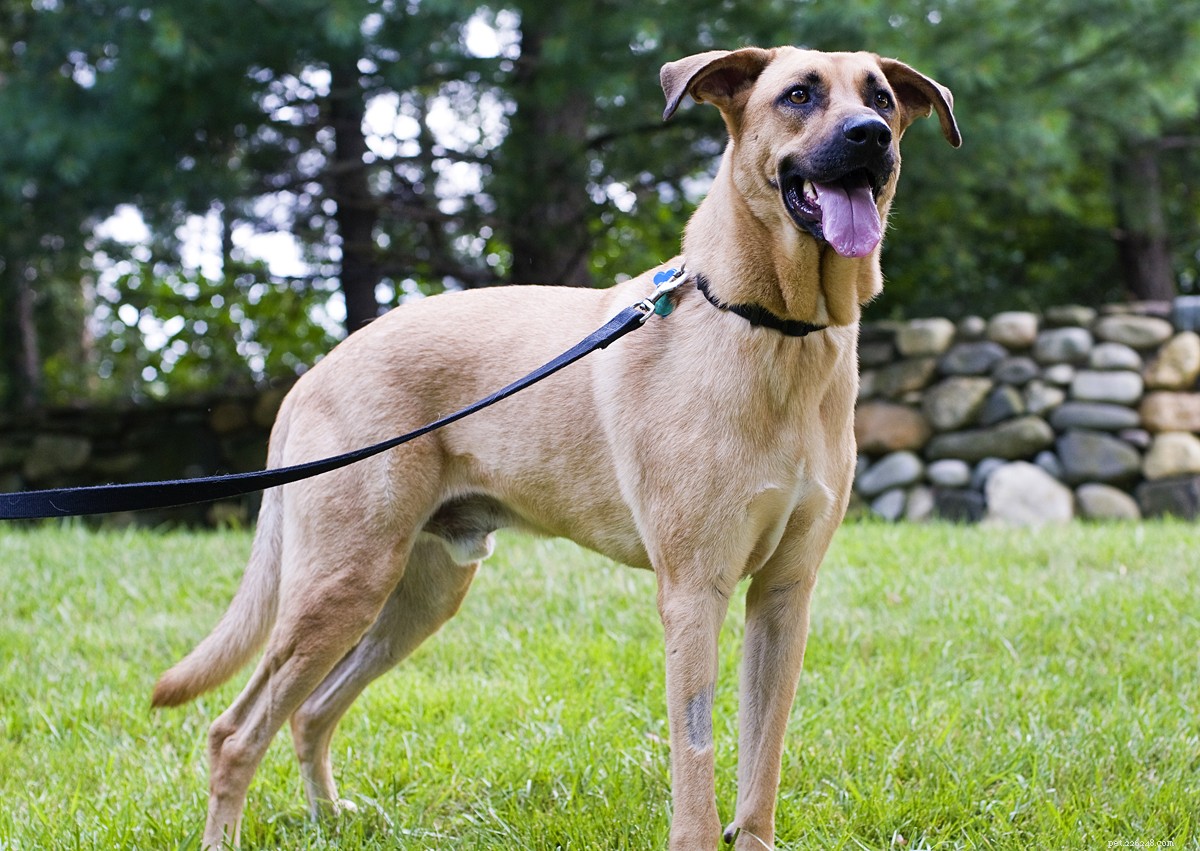
Our wonderful vet recommended that we drop weight off of him. He wasn’t overweight, but she said to think of a runner’s physique: lean, trim, nothing extra. Lowering his weight would decrease the strain on his hips and too-small pelvis. We needed to get him lean. Here he was in July 2009:
Here he is today:
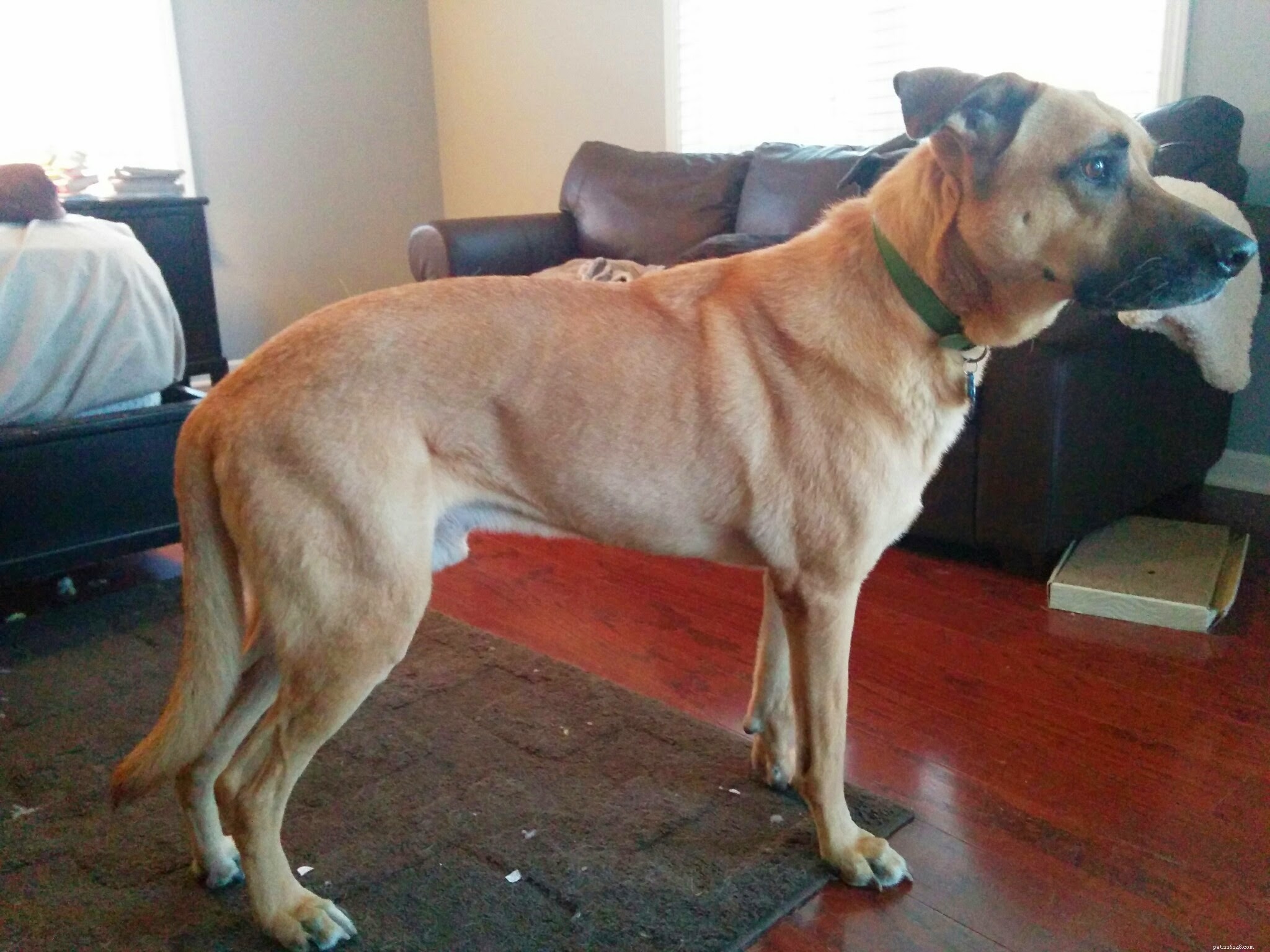
He’s definitely dropped a bit of weight, though not that much – only a few pounds – which you can see mostly behind his ribs. But that lighter load has helped immensely.
We’ve kept up with supplements, too. He’s been taking DGP for a few months now and hasn’t needed any extra aspirin after a day at doggy daycare. The supplements have become as much a part of his daily routine as an afternoon walk. It’s just part of overall health and maintenance. With Lucas, especially, I worry a lot about aging, so we’re trying to do what we can now while he’s still young (although… he’s younger at heart than in reality, but don’t tell him that).
Joint problems in dogs range from Lukey’s oddity to things like hip dysplasia, nutritional deficiencies, and dozens of other possibilities. If you suspect there’s something going on with your dog’s joints, definitely get a full work-up at the vet. I’d encourage x-rays because it wasn’t until our vet here in Bloomington that a set was ordered, thus getting us to the root of the problem. (His DC vet felt that his limp was likely because he had been severely malnourished, and he would grow out of it. He didn’t.) Talk to your vet about supplements, too. DGP has been great for Lucas, and we intend to keep him on it.
We’ve gotten a few comments here and there – most recently from my mom! – about Lucas looking way too skinny. He definitely is thin, thinner than most shepherd mixes his age. However, it’s kept the pressure off those delicate joints, so as long as he’s healthy – eating like a pig and exercising like a champ – we’ll strive to keep his runner’s physique.
Do you deal with joint issues with your dog? What steps have you taken to alleviate any issues? Any preventative measures?
New here? Welcome! To keep up with the conversation, subscribe or join us on Facebook!
Disclaimer: We were not compensated for this post, though DGP did provide Lucas with samples of the product to see if it would work for him. It did. All these opinions are mine, all mine!
- Pet Behavior
- Pet Breeds
- Pet Names
- Pet Adoption
- Pet Training
- Pet Information
- Pet Health
- Adorable Pets
- Dogs
- Essential Guide to Safe and Enjoyable Dog Hiking
- How to Keep Your Dog’s Skin Moisturized: Expert Tips for Dry Skin
- Managing Dog Incontinence: Causes, Diagnosis, and Effective Solutions
- Safe Low-Impact Exercise Strategies for Arthritic Dogs
- 12 Essential Tips for a Safe and Enjoyable Dog Camping Adventure
- Expert Guide: 9 Essential Bathing Tips for Dogs with Sensitive Skin
- Top 5 Proven Strategies for Managing Sensitive Stomach Dogs