

My Perspective on Feeding Dogs: Why I Choose Not to Feed Them Raw, But Respect Your Choice
There seems to be a contingent of people who, regardless of training or background, have decided that their way of feeding dogs is not only the right and true way, but it’s their mission to push and prod and bully everyone who doesn’t feed that way until they cave. (Though, in truth, most don’t cave, do they? Most adults just tune out the bullies, right?)
As John likes to say, “The great thing about the internet is that it gives everyone a voice. The trouble with that is that it gives everyone a voice.”
I’ve seen the bullying comments. I’ve seen the judgement. I’ve shaken my head. I don’t think there’s ever a reason to be mean, for one thing, but I also don’t agree with many of the assertions that some of these folks are making. I’ve ignored it. But a recent comment that I got about how I feed Cooper… well, let’s just say… this post is not ignoring it anymore.
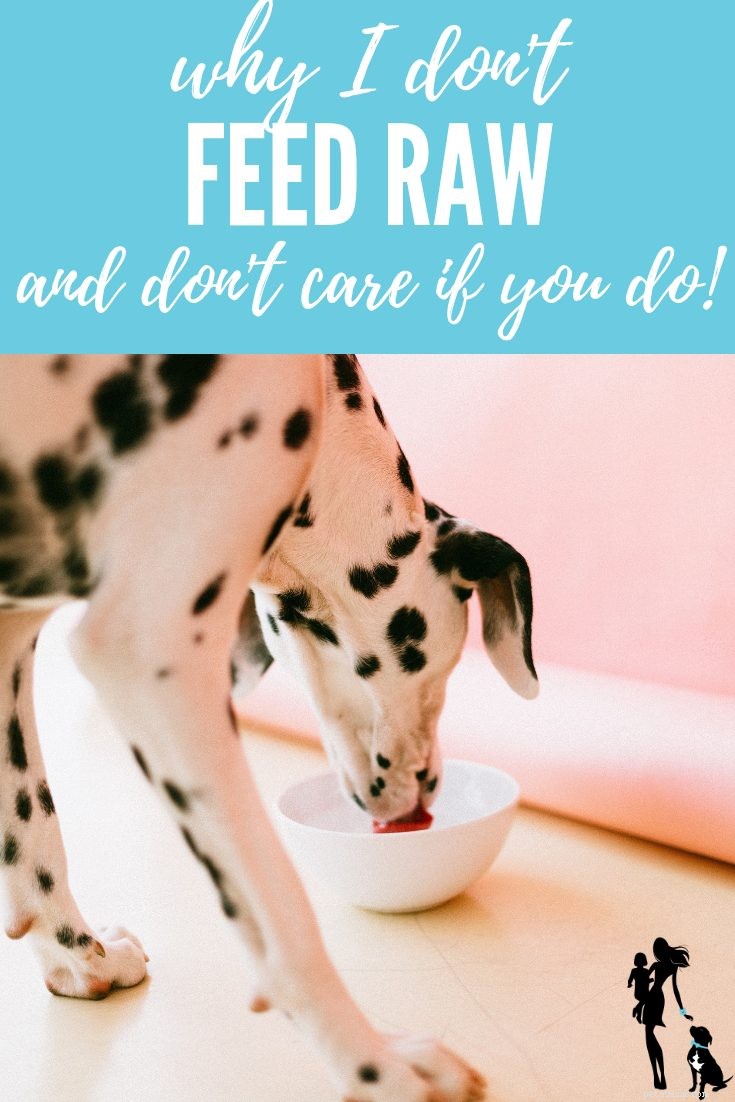
Before I dig in, two caveats: First, not all raw feeders are bullies, not by any stretch. Several of my favorite, dearest, most treasured friends are raw feeders. They are not, however, bullies. They respect my opinion. I hold theirs dear. This is to the meanies. I honestly couldn’t care less how you feed your dog, as long as you do your best.
Second, I’m not a vet, a nutritionist, a anything other than a dog owner obsessed with my guys. Also, I love research. I love digging into things. I think it’s why I love being a writer so much. I have an excuse to dig.
So, dig I shall:
Where to start? How about 11 to 16 thousand years ago.
Raw feeders have long argued that, since dogs are direct descendants of wolves, they evolved to eat like wolves. For a long, long time, researchers thought that was true, that dogs were direct descendants of wolves. What if, though, that isn’t entirely true?
Enter the astounding science of gene sequencing.
Back to that 11 to 16 thousand years: a seemingly big span of time but truly small on an evolutionary timeframe. It’s that span that researchers say is “the plausible range for the date of initial dog domestication… predating the rise of agriculture.” (1) What these guys did was sequence the genomes of wolves, dogs, and a jackal to figure out the evolutionary history of dogs. Since their findings indicated dogs were domesticated before agriculture, they were accompanying hunter-gatherers on their food-finding journey (fascinating, right?!) and started eating alongside their people. But, germane to this discussion is this point: “We find that none of the wolf lineages from the hypothesized domestication centers is supported as the source lineage for dogs, and that dogs and wolves diverged 11,000–16,000 years ago in a process involving extensive admixture and that was followed by a bottleneck in wolves.”
I encourage you to read the full study, but it’s interesting because it goes into three large population declines in various wolf populations, further separating the evolution, along with the geographic separations… anyway… the bottom line is that wolves today are distinctively different from the wolves pre-dating agriculture. Those ancient wolves diverged into a few different kinds of wolves… and into dogs. Think of it like the common ancestors we share with apes; those guys are no longer around, but we know we were once connected. The dogs today are unlike the wolves today, and based off of statistical analyses of rates of gene mutation, turns out, dogs and wolves separated long before the wolves of today were even around.
In fact, among those gene sequences, researchers found that one of those genetic changes was specific to digestion. “Our results indicate that novel adaptations allowing the early ancestors of modern dogs to thrive on a diet rich in starch, relative to the carnivorous diet of wolves, constituted a crucial step in the early domestication of dogs.” (2)
Honestly, though, I chalk up the “dogs are wolves” argument to the lovely Maya Angelou adage, “when you know better, you do better.” Folks who decry the ancestry story are ignoring or unaware of the recent science, including behavioral studies that debunk the “alpha” theory supposedly observed in wolves–but that’s another story for another day. Bottom line: Dogs aren’t wolves.
Another thing: There are no studies–actual, peer-reviewed, published studies–that show a raw diet is more beneficial than a commercially-prepared diet. The more research I do, the more anecdotes I find along the lines of “raw cured my dog’s allergies,” “raw staved off my dog’s cancer,” and so on. Personally, I need evidence. Not “look at my dog” style evidence, but peer-reviewed studies.
So, let’s look at some, shall we?
I’m talking about dogs in this post, but there is a study that compared feeding whole chicks, ground chicken, and canned chicken diets to African wildcats. They found that the cats did almost equally well on all three… and recommended close monitoring of whole prey diets because they may cause long-term nutrient deficiencies. (3) Another study looked at raw versus kibble and found that the African wildcats did equally well on both. (4)
And cats, unlike dogs, are obligate carnivores. I’m totally fine, by the way, feeding Newt freeze-dried, commercially-available raw.
I’m going to keep an eye out (well, Google Alerts is) for good dog studies, for sure. But for now? The science that shows raw is better/cures whatever just isn’t there.
Notice that I haven’t cited the AVMA on any of this. They have a ton of, what I consider, helpful information. Useful and rigorous. I chose not to cite them, though, because I’ve noticed a trend of raw feeding folks–the bullies–slamming the AVMA left and right for being “in the pocket” of pet food companies. I purposefully left them out because of that. They do make some points that I agree with–like raw meat and immuno-compromised mammals, like dogs and people with cancer, i.e. my family. Google the AVMA’s stance on raw feeding to get their policy and explanation.
I also think it’s important to cast a very critical eye on the food sources available to dogs 11 to 16 thousand years ago and wolves before that. Even if a wolf 17 thousand years ago ate a chicken that looks an awful lot like the chicken you give your dog, it’s not. The soil and air are different, so the feed the chickens eat is different. The available nutrients are simply not the same, and since wolves and dogs evolved since then–as did available food sources–it doesn’t make sense. It’s akin to people who claim to eat like our Paleolithic ancestors. <—– Awesome article that actually reflects a lot of my feelings on this raw food movement among dog owners.
To sum up:
Dogs diverged from wolves way earlier than previously thought, and those wolves aren’t even the same wolves we have today. The food they ate isn’t around today, and even what’s similar looking is nutritionally different, but it’s actually okay because dogs have a genetic variation from wolves that helps them digest starch easier. And there aren’t any studies to show that raw is more beneficial for dogs anyway. (So, if you skimmed this whole post, I guess I just needed this one paragraph… that would’ve save us both some time!)
All that, though, is why I don’t feed my dogs raw. But none of that matters if you feed your dogs raw.
At the end of the day if you want to feed your dog a bucket of chicken necks and call it your dog’s ancestral diet, go for it. I believe that what you should feed your dog is what you (and your vet) think is the best and fits in your family budget.
For me, that’s The Honest Kitchen for Cooper and a rotational kibble diet mixed with canned food and some home cooked for Emmett. We stretch our budget for THK because it’s the only thing Coop can tolerate.
If, for you, that’s a raw diet, great! If you think what you’re doing is right, your dog is healthy, your vet’s on board, then who am I to say it’s wrong? Who’s anyone to say that what I feed my guys is wrong?
Answer to both: Nobody.
You do you and feed what you feed. I’ll do me and feed what I feed. No shame.
And we’ll all just be super nice and nonjudgmental about it, mk?
{Incidentally, one of the big things raw feeders always say is that they never have to clean their dogs’ teeth… Cooper eats gloop, and he’s never had a dental. He’s five, and he’s got some pearly, pearly whites!}

Sources:
(1) Genome Sequencing Highlights the Dynamic Early History of Dogs
(2) The genomic signature of dog domestication reveals adaptation to a starch-rich diet (This is the abstract. You can access the full version at your public library or university library.)
(3) Apparent total tract macronutrient and energy digestibility of 1- to- 3-day-old whole chicks, adult ground chicken, and extruded and canned chicken-based diets in African wildcats (Felis silvestris lybica)
(4) Influence of feeding raw or extruded feline diets on nutrient digestibility and nitrogen metabolism of African wildcats (Felis lybica)
- Pet Behavior
- Pet Breeds
- Pet Names
- Pet Adoption
- Pet Training
- Pet Information
- Pet Health
- Adorable Pets
- Dogs
- Is Feeding Your Cat Offal Safe? Expert Guide to Raw Diets
- Why Dogs Eat Grass: Unveiling the Unexpected Reasons
- Best Feeding Strategies for Dogs with Arthritis
- Why Raw Honey Is a Must‑Add Treat for Your Dog: 5 Proven Benefits
- Why Dogs Hate Your Sneezes – The Science Behind Their Discomfort
- Why Dogs Refuse Nose Touches: Understanding Their Sensitivity
- Why Dogs Dislike Raw Eggs: Science, Safety, and Alternatives