

Understanding Osteosarcoma Chemotherapy: What Pet Owners Need to Know
After I wrote the post on osteosarcoma and amputation, I wanted to write one about chemo, too. But it was such a roller coaster those first few weeks. I thought I’d wait until things settled down. And then I realized: Duh. Chemo IS a roller coaster. It’s not going to settle down until it’s over, so I might as well tackle it now.
So, here goes: on osteosarcoma and chemo.
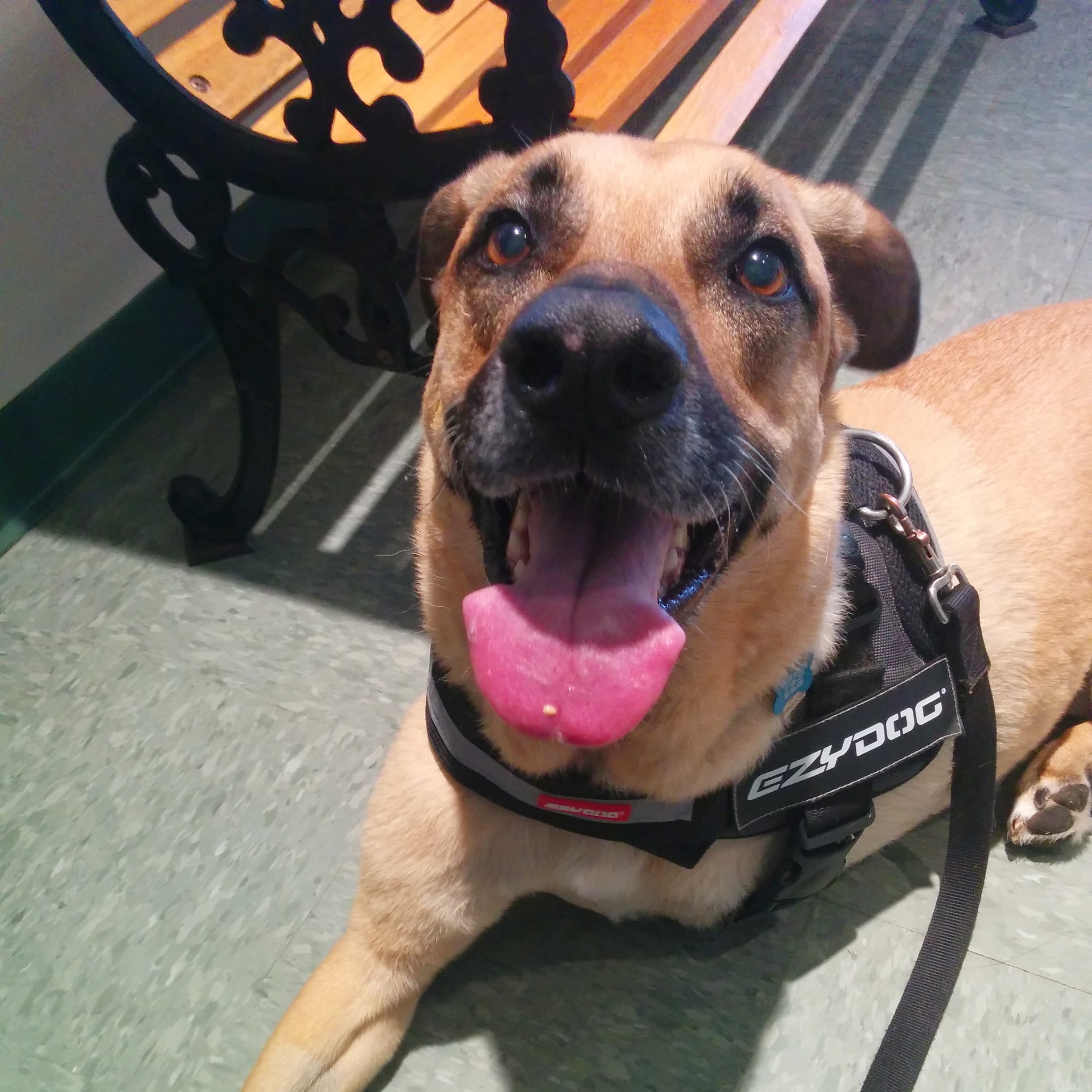
By all reports, dogs tolerate chemo far better than humans, which is a huge relief because I know how awful it is. And, as a human going through it, at least you have the understanding of, OK, this is going to suck for a while, so just focus on the light at the end of the tunnel. With our sweet dogs, there’s no way to explain it. There’s no understanding. They can’t comprehend the tradeoff: sick now, live longer.
The protocol for this round of chemo is one dose – IV-administered carboplatin at Purdue – every three weeks for four rounds. In the interim weeks, he gets blood work done at our local vet. He’s enrolled in a drug trial that includes an oral dose of piroxicam, an NSAID, every morning. All the staging – ultrasounds, x-rays, etc. – was done before his first dose to see if there was observable metastasis. They kind of assume there is micro-metastasis – really super small spreading of the cancer – because osteosarcoma is so aggressive and has almost always spread before the first symptoms appear. They also wanted to check his blood work to make sure he was healthy enough for the chemo.
At his first dose, his platelets were low but not so low that he had to skip treatment. So, on April 21, Lucas received his first round of chemo. Upon leaving Purdue, we were given two prescriptions to fill as needed: one for nausea and inappetence, and one for diarrhea.
TIP: Go ahead and fill ’em. Like, right after you leave the vet.
Lucas got home, ate, and zonked. It was an intense, stressful day for him. He slept pretty peacefully all night, then got up in the morning, got a sip of water, and puked up everything. Followed by several rounds of “GI distress.” Of course we hadn’t filled those prescriptions the night before… so, off to Kroger, then wait for them to get filled. Thankfully, the medication fixed him up pretty quickly.
The protocol includes weekly blood work at our local vet, so the following week he went in for his first round. For the next two weeks, his white counts were low but were showing improvement. Plus, he’s becoming a pro at these tests at the vet, and everyone was remarking about how comfortable he’s getting! (Watch mes in the far corner + gobs of cheese are the keys to our success.)
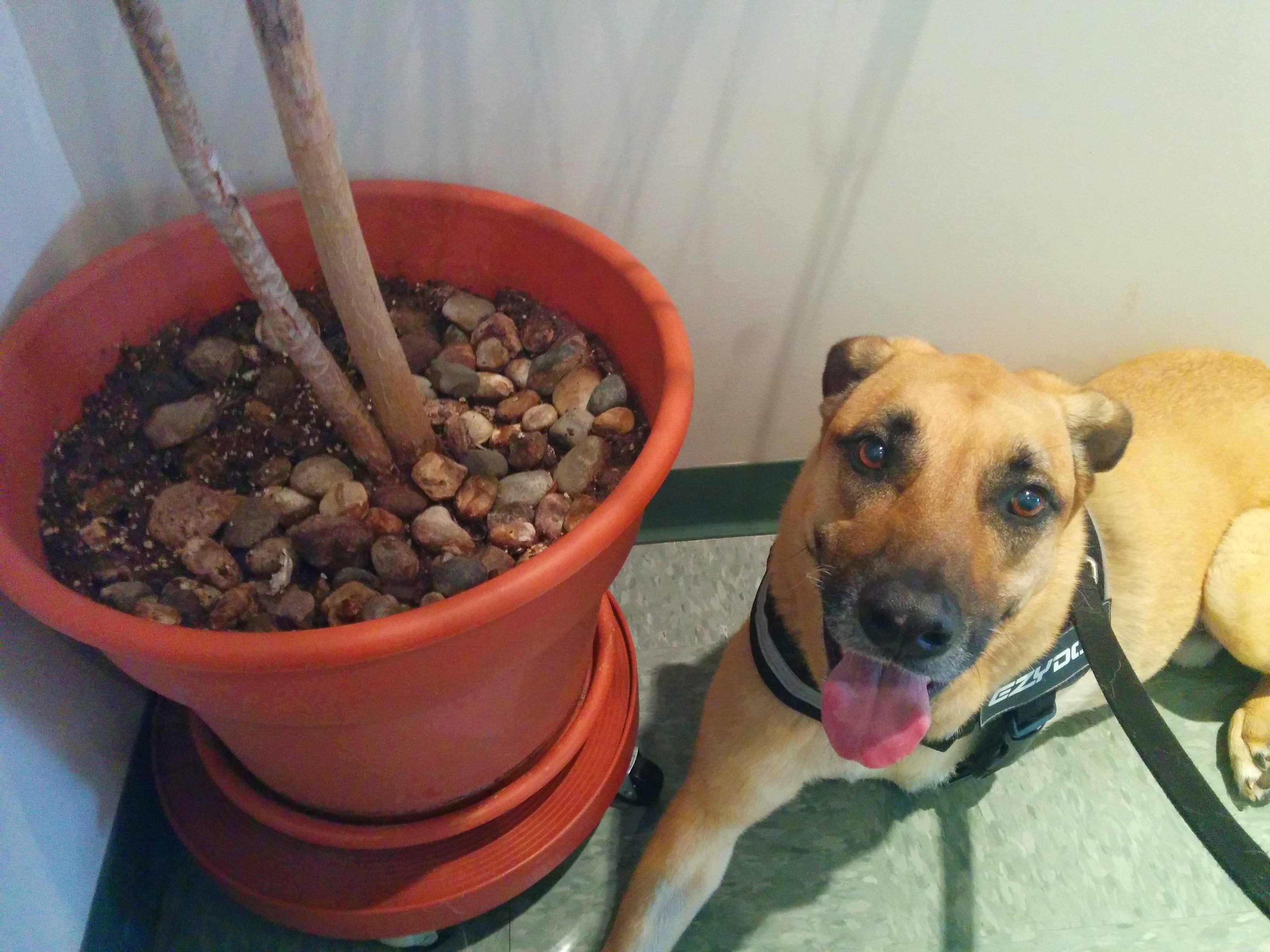
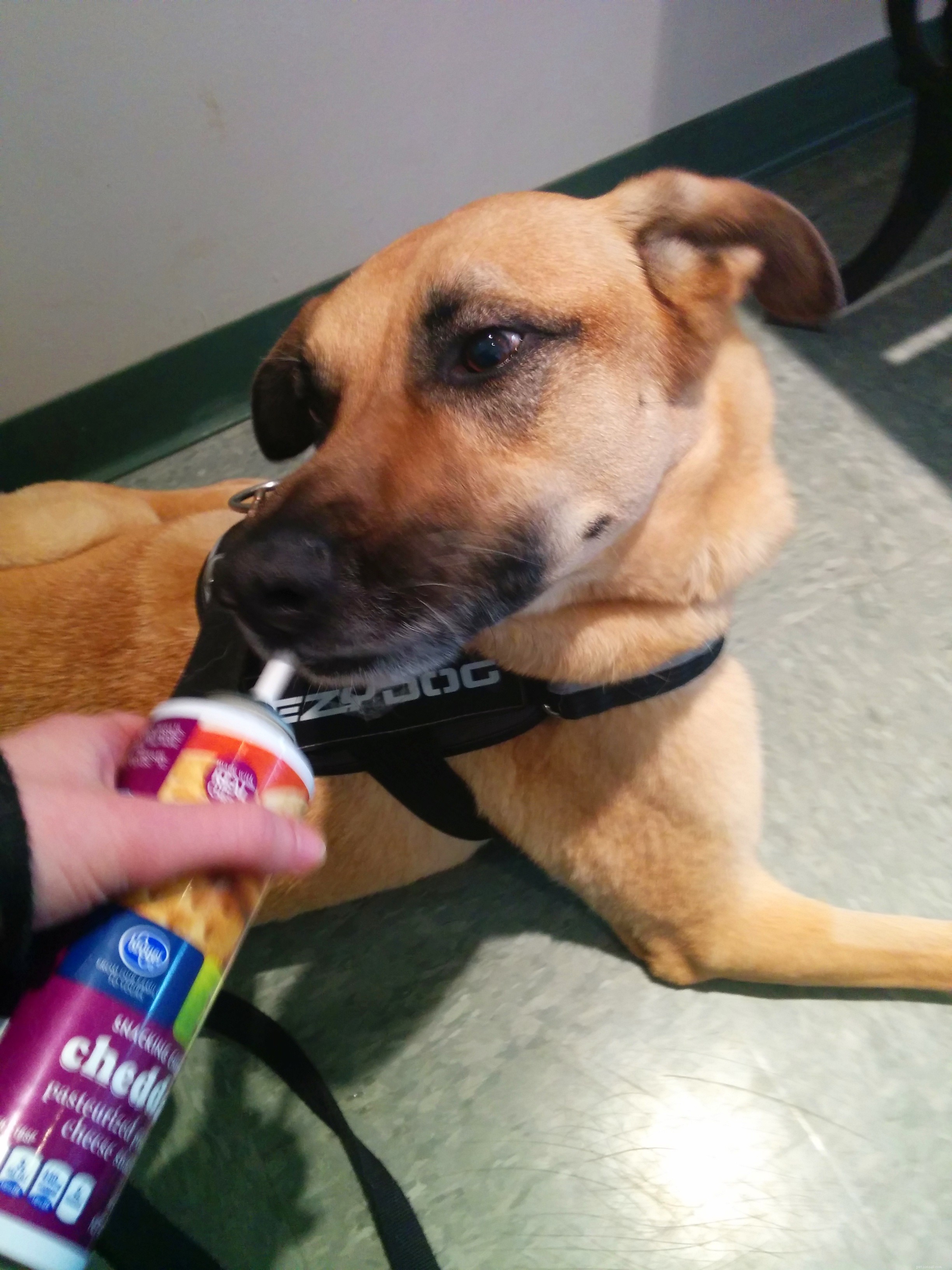
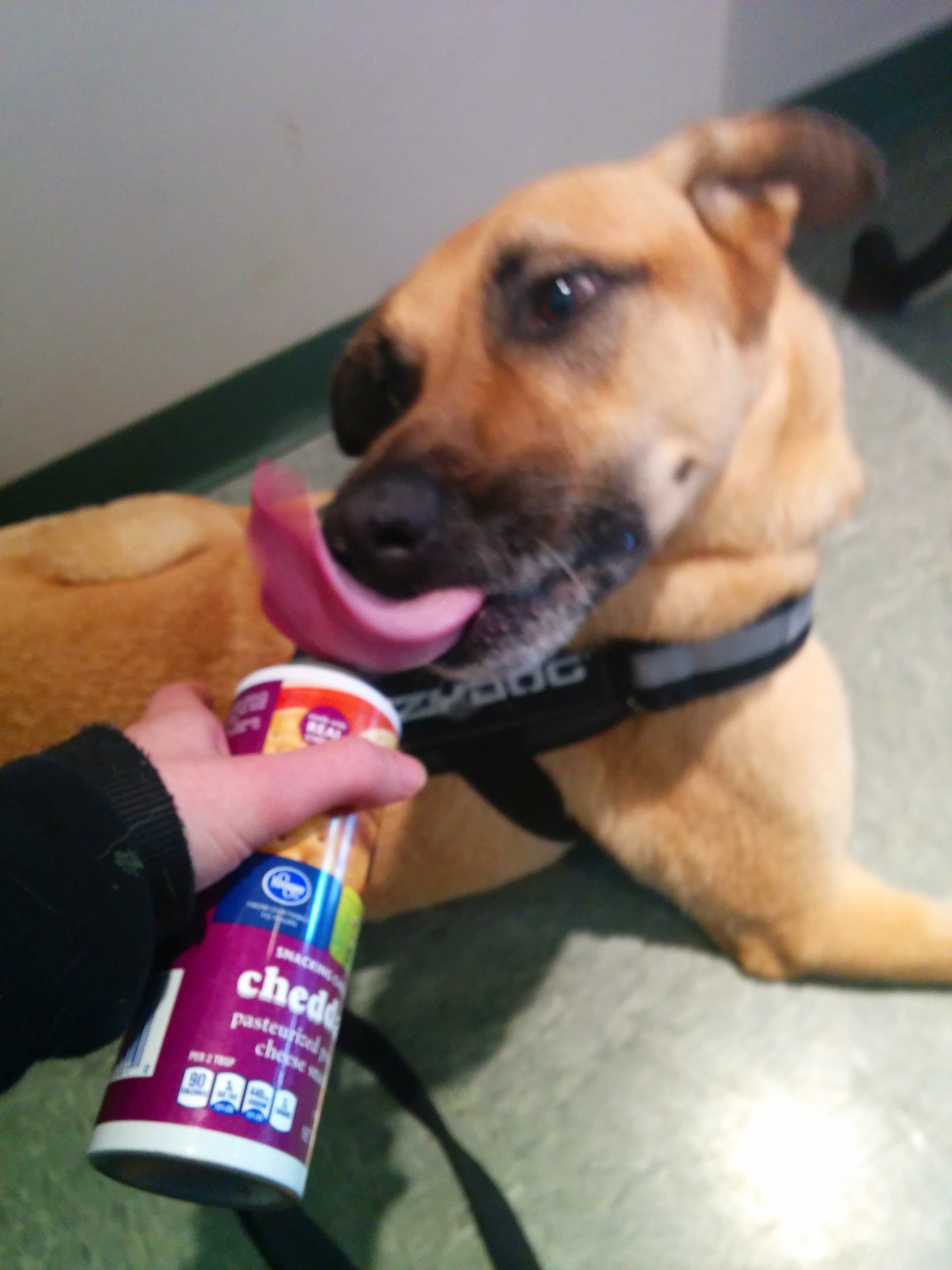
Anyway, when he went for his second chemo dose three weeks later, his white counts were still too low to safely administer the medication. The oncologist indicated that he should be experiencing some effects from the low white count – lack of appetite, less energy, etc. – but he’s experienced none of those! But, she sent us home to wait another week. Rather than do the five-hour-round-trip drive again and have a repeat of that incident, we arranged to have his blood work done locally on Monday. It was back in the normal range, so John took Lucas up to Purdue for his second round of chemo yesterday.
Because of his GI issues the last time around, they lowered his dose yesterday. So far today, the day after, he hasn’t had any side effects. His appetite was normal this morning, and so far – fingers crossed – no vomiting or diarrhea. We have heard that the side effects can become progressively worse with each subsequent dose, so we’re being vigilant (and filling his prescriptions).
To continue the schedule, he’ll go next week and again the following week to have his blood work checked locally. We *might* have it checked here again on the Monday before his next chemo if it looks like his white counts aren’t coming up to save us the trip, but for now, he’s scheduled for his next, third round of chemo three weeks from yesterday.
So, we’re halfway through the chemo protocol, and he’s really doing great. Tons of energy. Tons of appetite. Tons (and tons and tons) of spirit!
As we progress, I’ll certainly share updates in the hopes that this will help someone else facing down this diagnosis. In the meantime, thank you again, thank you always, thank you so very much for all your words of support and kind encouragement. We’re so grateful!
- Pet Behavior
- Pet Breeds
- Pet Names
- Pet Adoption
- Pet Training
- Pet Information
- Pet Health
- Adorable Pets
- Dogs
- Prevent and Treat Dog Diarrhea: Quick, Safe Steps for Pet Owners
- Moose the Malamute Mix & Juniper the Domestic Fox: A Remarkable Interspecies Bond
- Emmett's Diagnosis: Facing a Nerve Sheath Tumor with Hope
- Osteosarcoma Treatment: Why Amputation May Save Lives
- A Dog's Unexpected Injury: Handling Limping and Swelling with Confidence
- Boost Your Dog’s Health: The Ultimate Guide to Probiotics and Digestive Care
- Understanding Dog Euthanasia: Compassionate End-of-Life Care