

The Dangers of Smoking for Your Pets: What Every Owner Needs to Know
If any smokers out there are looking for motivation to stop smoking, look no further than your furry friend. Exposure to second hand smoke, and something that researchers have dubbed third hand (or environmental tobacco smoke), can be downright deadly for pets. The affects of cigarette exposure are pretty common knowledge, and it may seem like common sense that it is just as unhealthy for animals as it is for people. But did you know that exposure to third hand/environmental smoke, or consuming old cigarette butts, can be just as deadly to pets as inhaling the smoke? Did you know that the type of cancers that pets are more prone to developing from exposure to tobacco smoke can depend on their anatomy? Also, while it may be common to consider the health risks that smoking imposes on more common pets, such as cats and dogs, it’s important to remember that it can negatively impact the health of all types of animals, even the smallest of caged pets.
 Many studies have scientifically demonstrated the impacts that exposure to smoke can have on pets. A study done at Tufts University in 2002 concluded that cats who live with smokers develop malignant lymphoma twice as often as cats who live in non-smoking homes. Another study done at Tufts in 2007 linked oral cancer in cats to second hand smoke. The study showed that cats who were exposed to second hand smoke for five years or longer and cats who lived with more than one smoker had even higher cancer rates. Studies done on dogs have shown that long nosed breeds living with smokers are more prone to nasal and sinus tumors, while breeds with medium length muzzles are more prone to lung cancers.
While most studies on second hand smoke and pets have been done on cats and dogs, exposure to cigarette smoke also impacts other companion animals. Animals confined to smaller spaces, such as a cage or room, often suffer from exposure to smoke because they are unable to escape it. Exposure to cigarette smoke can cause many health complications in pets, as in people, including breathing problems, diarrhea, vomiting, cardiac issues, lymphoma, lung cancer, nasal cancer, and death.
And if you thought that breathing in second hand smoke was the only way that cigarettes can impact pets, think again. Third hand smoke, or particles from smoke that stick to surfaces such as furniture, clothing, hair, and fur, is also dangerous to pets. Although there are no direct studies on how third hand smoke impacts pets, it’s important to keep in mind that pets are often forced to endure exposure to these toxins more than adult humans are. Most pets are closer to the ground, where third hand smoke can accumulate. Many types of pets also groom themselves, making it common for them to ingest third hand smoke particles.
Directly consuming discarded cigarettes, cigars, or cigarette butts can also be deadly to pets. Depending on the type and size of the pet, ingesting just a single cigarette can be deadly. Drinking dirty water that has been contaminated with nicotine can also cause health issues.
So how can you help to reduce the risk of second or third hand smoke for your pet? The best option, of course, for your own health as well as your pets’ , is to quit smoking. Besides that, there are some precautions you can take to help limit your pets exposure:
- Only smoke outdoors.
- Wash your hands after smoking and, if possible, change your clothes. Smoke particles on your skin and clothing can be carried indoors even if you smoke outdoors.
- Make sure to correctly store ashtrays, cigars, cigarettes, and nicotine replacement products (gum, patches, etc). Don’t leave cigarette butts on the ground or anyplace where your pets might come into contact with them.
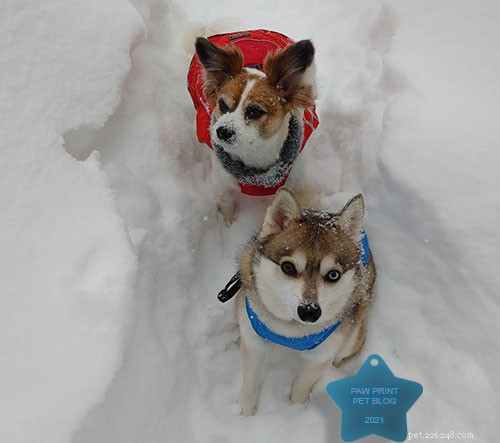 Do you worry about the impact that exposure to smoke could have on your pet(s)? My partner and I don’t smoke ourselves, but we used to live in an apartment building with neighbors who were heavy smokers. I often worried if exposure to our neighbors’ second/third hand smoke would impact our, or our pets’, health. Thankfully, knock on wood, so far we all seem to have escaped unscathed. Hopefully all the fresh mountain air we’ve been getting since we moved is helping to heal our lungs from all our years of city life!
Thanks, as always, for reading! We hope that everyone is staying safe and doing well.
- Pet Behavior
- Pet Breeds
- Pet Names
- Pet Adoption
- Pet Training
- Pet Information
- Pet Health
- Adorable Pets
- Dogs
- The Impact of Second‑Hand Smoke on Your Dog's Health
- The Hidden Dangers of Cigarette Smoke for Your Cat: Protecting Your Feline Companion
- Identifying Pain in Pets: Signs, Types, and What to Do
- Safeguarding Pets During Pest Control: Protect Your Dog and Cat from Harmful Insects
- Choosing the Perfect Name for Your Pet: Tips & Insights
- Protect Your Pets: Understanding the Impact of Wildfire Smoke on Animal Health
- Essential Summer Pet Care: Keep Your Furry Friends Safe & Happy