

How Long Can a Dog Go Without Pooping? Health Insights & Signs to Watch
Unsavory as the topic may be, the truth is that your dog’s poop is pretty important. Not only are proper bowel movements essential for your dog’s overall health, but you can also tell a lot about how your dog is doing based on their bathroom habits.
If your pup hasn’t pooped in a day or so, you may start to wonder: how long can a dog go without pooping? Here’s what you should know if your pup’s poop is on your mind.
How Often Should a Dog Poop?
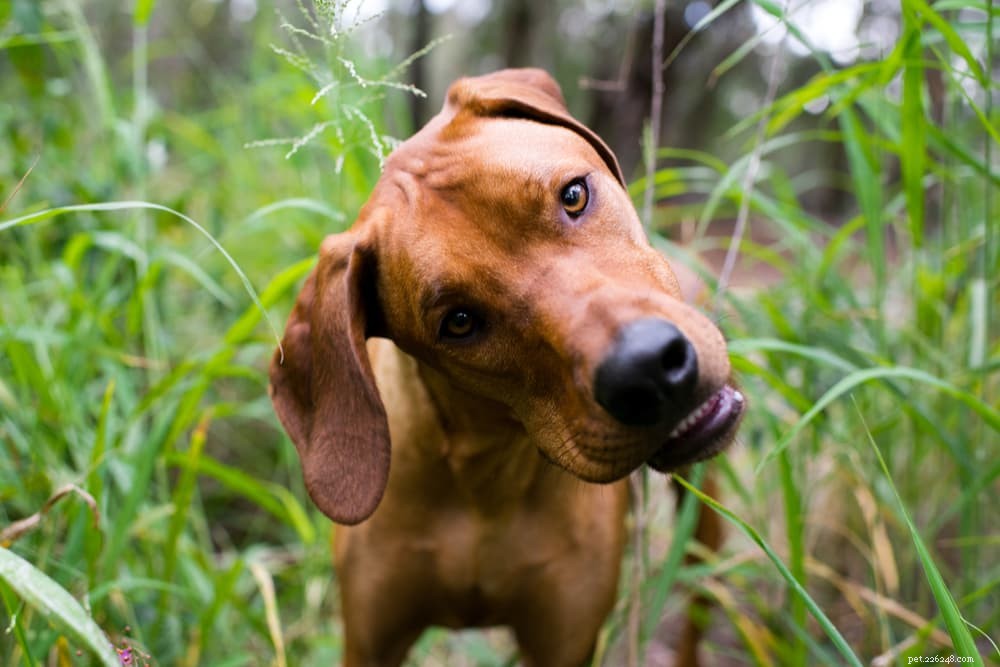
How often a dog poops varies based on several factors, including things like diet, activity level, metabolism, and age. Although many dogs will defecate multiple times a day, younger dogs, more active dogs, and dogs with high fiber diets tend to have more frequent bowel movements.
“Due to a higher metabolic rate and more activity, young puppies do tend to have more frequent bowel movements,” says Dr. Jamie Whittenburg, a veterinarian in Lubbock, Texas. For example, “most puppies will need to defecate within 30 minutes of eating a meal, so this is a good time to take them out.”
Breed and size may affect a dog’s stooling patterns, as well. Instead of expecting your dog to poop a certain number of times a day, “it’s important to monitor your dog when they are healthy and determine what is ‘normal’ for them,” says Dr. Whittenburg. “Once this is established, you will know if there are drastic changes, such as constipation and diarrhea.”
How Long Can a Dog Go Without Pooping?
There’s no exact answer to how long a dog can safely go without having a bowel movement. “The important thing for a pet parent to do is to notice a change in what is normal for their dog,” says Dr. Whittenburg.
For example, dogs are prone to dietary indiscretions from time-to-time (who among us hasn’t fed our pup a table scrap here and there?), and this may cause loose stools for a day or two. “Usually this is nothing to worry about,” says Dr. Whittenburg. “On the other hand, a change in diet, a decrease in activity, a decrease in water intake, and certain medications may cause a dog to become constipated. In most cases, this will resolve in a day or two.”
In the case that your dog has bloody stool, excessive diarrhea, has not had a bowel movement in days, or is straining, you should take them to the veterinarian immediately.
Dog Not Pooping: Common Causes
Common causes to a dog not pooping include:
- Dietary changes
- Decreased water intake
- Decreased activity levels
- Certain medications
All of these things can lead to constipation.
On the other hand, “not defecating is not a reliable indicator of an obstruction,” says Dr. Whittenburg. “Contrary to popular belief, dogs with intestinal obstructions often continue to have bowel movements and may even have loose stool.”
What to Do if Your Dog Isn’t Pooping
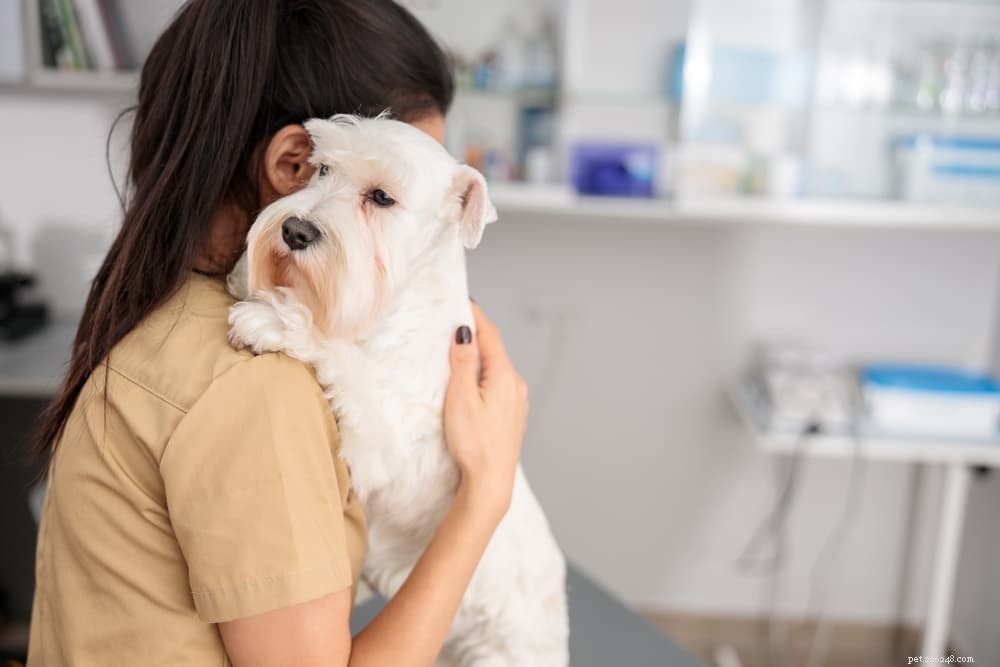
If you have concerns about your pet’s pooping, it’s best to see a veterinarian as soon as you can.
However, if your dog seems to be constipated regularly, it may be helpful to add fiber to their diet. Dr. Whittenburg suggests using canned pumpkin—one tablespoon for small breeds and three tablespoons for larger dogs daily—or feeding a dog food that’s marketed as higher in fiber to help.
Aside from dietary adjustments, be sure your dog is also drinking enough water. After all, fiber alone won’t help a dehydrated dog, and could in fact worsen the constipation.
“Activity can be helpful as well,” Dr. Whittenburg adds. “Taking a constipated dog on a long walk will aid in colonic movement, and often induces a bowel movement.”
4 Products to Help Dog Poop Problems
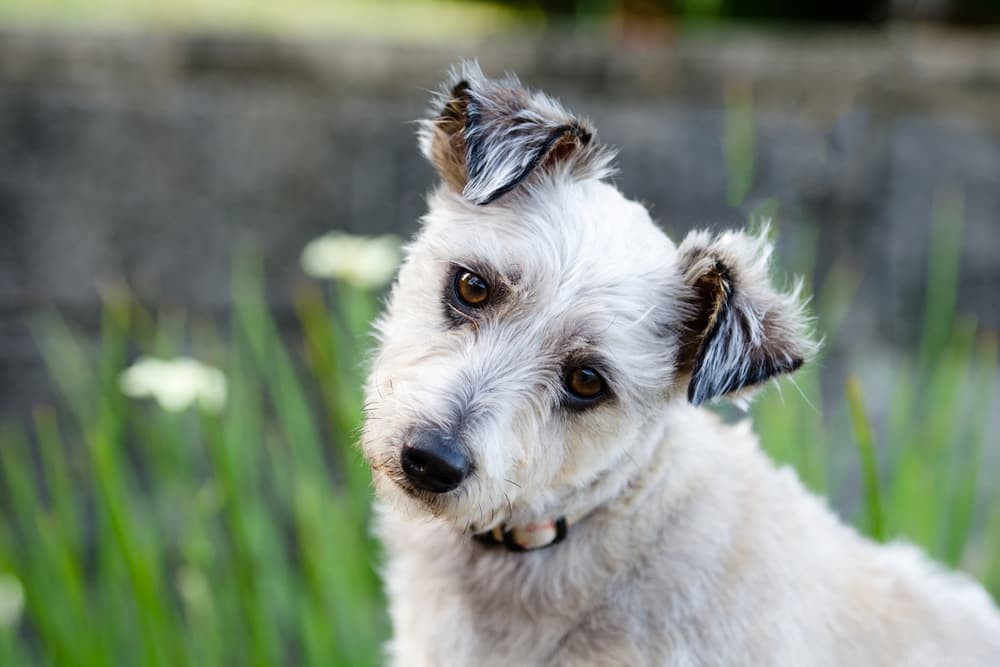
If you are truly concerned about your dog’s bowel movements, it’s always important to contact your veterinarian for advice. “When a dog is truly constipated, it’s essential to determine the underlying cause and correct it,” says Dr. Whittenburg.
Dr. Marcy McKeithen, owner of Motor City Vet Care, also suggests using caution when trying over-the-counter medications. “Pets are very different from humans,” she says, “so some of the remedies we might have for humans could be very harmful for a pet.”
With the proper input from your veterinarian, some of the following products might help if your dog is having poop troubles:
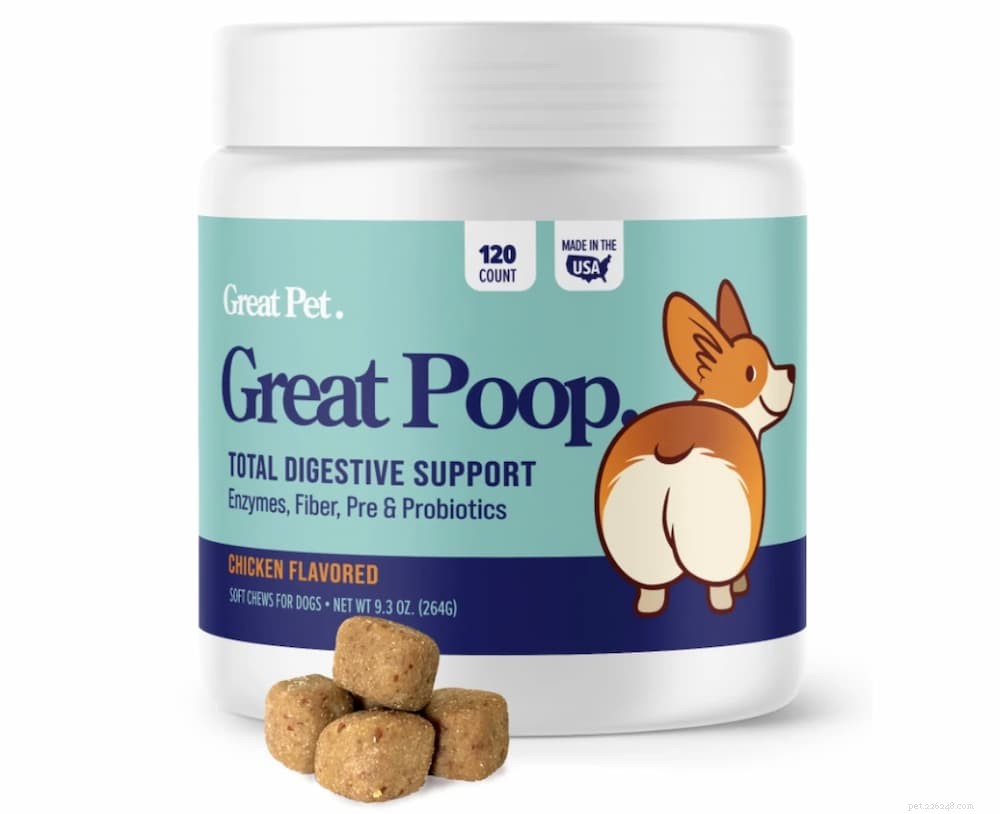
Great Pet Great Poop Digestive Support Supplement
 Buy at Great Pet Shop
Buy at Amazon
Buy at Great Pet Shop
Buy at Amazon
A good supplement offers the proper ingredients to provide your pup with a diet that supports overall digestive health. This one offers fiber, probiotics, and digestive enzymes that your dog needs to naturally support digestive health and help avoid issues like diarrhea, loose stool, constipation, and more. It comes in a tasty chicken flavor that most dogs enjoy and is made without corn, soy, artificial flavoring and preservatives.
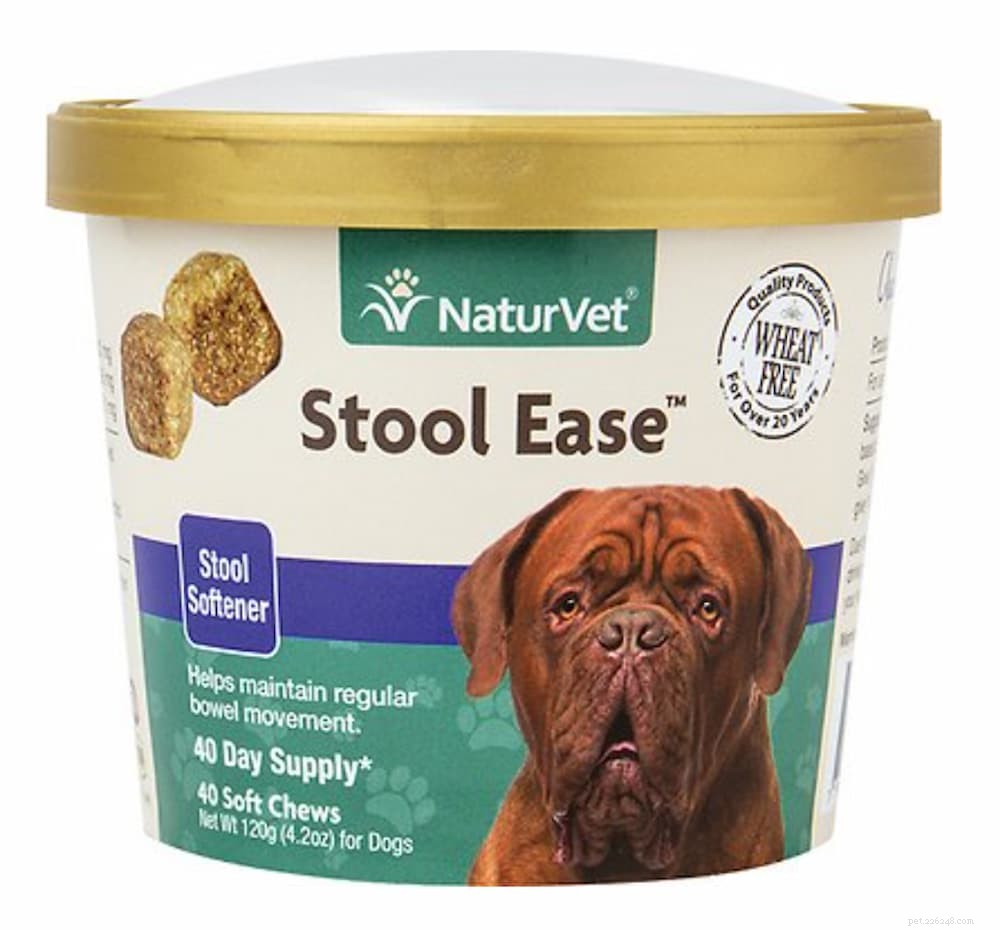
NaturVet Stool Ease
 Buy at Amazon
Buy at Walmart
Buy at Amazon
Buy at Walmart
If pain is causing your dog to avoid pooping, a stool softener can help alleviate the problem. These tasty soft chews are easy for dogs to eat and are veterinarian approved. They’re made with an enzyme blend that helps to soften stool, making pooping easier for your pup.
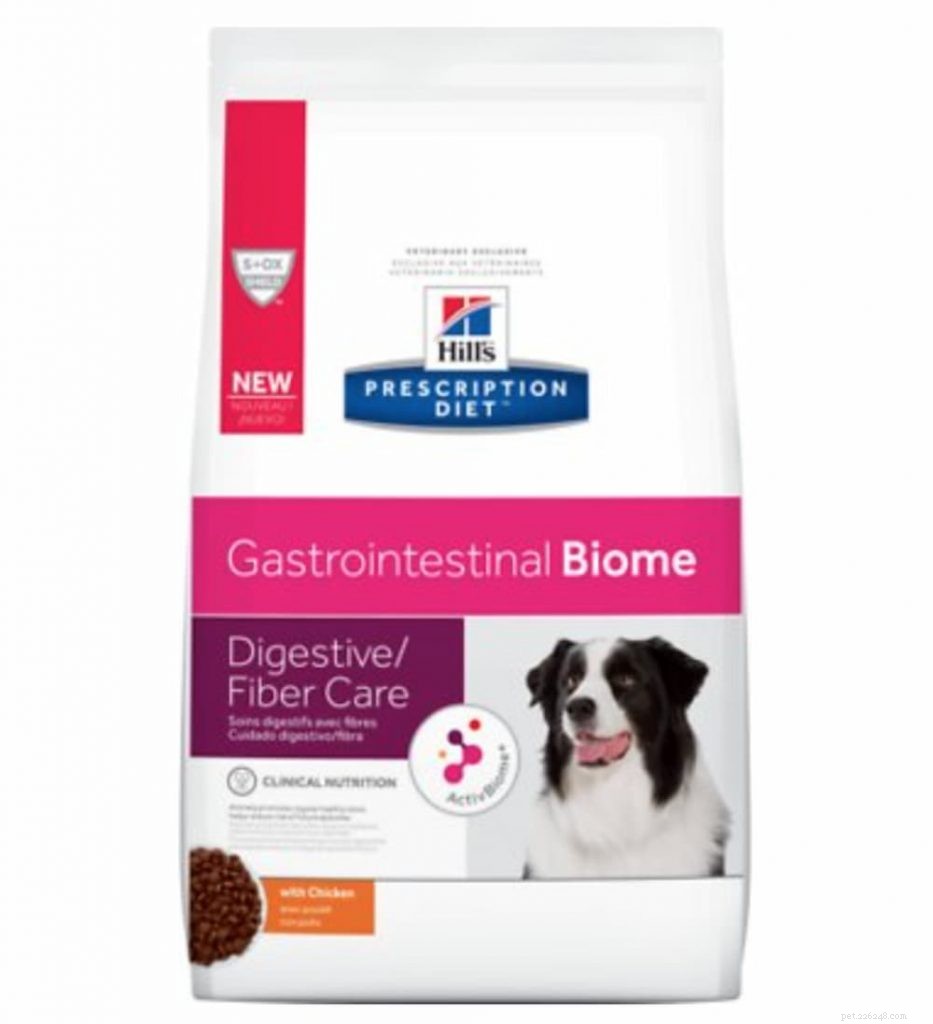
Hill’s Prescription Diet Gastrointestinal Biome Digestive/Fiber Care
 Buy at Amazon
Buy at PetSmart
Buy at Amazon
Buy at PetSmart
With your veterinarian’s blessing, changing up your dog’s food can do wonders for their digestive system. This prescription diet is formulated by nutritionists and veterinarians to help support good bacteria in your dog’s gut and balance out their microbiome—firming up loose stools and preventing constipation. It also contains Omega-3 fatty acids for additional health benefits.
- Pet Behavior
- Pet Breeds
- Pet Names
- Pet Adoption
- Pet Training
- Pet Information
- Pet Health
- Adorable Pets
- Dogs
- How Long Should a Dog Safely Ride in a Car?
- Tick Survival on Dogs: How Long Ticks Persist & Why It Matters
- How Long Can You Leave Your Dog Alone? Expert Tips & Guidelines
- How Long Can a Turtle Survive Without Water? Key Facts & Care Tips
- When Can a Cat Go Without Pooping? Signs of Constipation & Care Tips
- How Long Can a Dog Survive Without Water? Essential Care Guidelines
- How Long Can a Diabetic Dog Go Without Insulin? Expert Guidance on Care and Timing