

When Can a Cat Go Without Pooping? Signs of Constipation & Care Tips
As a pet parent, keeping your animals healthy is a top priority and something you likely take very seriously. And while it may not be the most appealing thing to talk about, it's important to monitor and understand your cat's bowel movements. In this guide, we’re answering questions like how long can a cat go without pooping? Can a cat get constipated? What is a normal bowel movement? And, find out how to get your cat to poop! Here's what you need to know.
How often should a cat poop?
A normal cat bowel movement should happen about every 12 to 36 hours. How long can a cat go without pooping? If you notice your cat pooping less frequently or having difficulty, it may be a sign of constipation. There is always some normal variation in the time frame for bowel movements. But if you know your cat hasn’t pooped in over 72 hours, you should contact your vet.
What causes constipation?
Constipation in cats can happen for several reasons. First off, anything that causes dehydration in your cat can cause constipation. Other things that can cause your feline to get backed up include intestinal problems, stress and anxiety, inflammatory bowel disease, nerve problems, some kinds of cancer, and even allergies. On top of that, chronic diseases can result in constipation, as well, including kidney disease, diabetes, hyperthyroidism and ruptured or impacted anal sacs.
What is the difference between obstipation and constipation?
Constipation is a condition where a cat will pass small amounts of feces or defecate less often. Obstipation is a result of severe constipation, making it difficult or nearly impossible to defecate.
Why a cat may not be pooping regularly
Your cat not pooping could be the result of a serious health condition. It's important to address the issue immediately, while it could be an easy diet change or dehydration.
Fur-related digestion issues
Cat digestive issues are common for felines with longer fur. When cats groom themselves, they ingest a small amount of their fur. In some cases, this causes intestinal blockages. When the fur clumps become too large and aren't vomited up, they can get lodged in the digestive tract.
Low fiber diets
Fiber feeds the good bacteria in your cat’s gut and helps to promote normal bowel movements. It can also help with keeping more water in the intestines, which ultimately helps treat and prevent constipation. Additionally, fiber helps keep stool soft and keeps the intestines healthy.
Dehydration
Dehydration is one of the top reasons cats become constipated. The colon can get dehydrated from not having enough water in the body because water is withdrawn from the large intestine to hydrate the body. If there isn't enough water available in the body, the stool will become hard, dry, and much more difficult to move through the colon.
Obstipation
Obstipation is when severe constipation occurs and your cat has a difficult time defecating. Symptoms of obstipation may include:
- Defecating infrequently or not at all
- Straining to defecate
- Hard and dry feces
- Defecating outside the litter box
- Small amounts of liquid stool with no mucus
- Blood in stool
- Vomiting
- Lack of appetite or depression
If you notice any of these symptoms, you should seek immediate medical attention from your veterinarian or local animal hospital.
Megacolon
Megacolon is when your cat has an enlarged colon that causes severe constipation. This is a common cause of constipation in cats that can be chronically difficult—and costly—to manage. This condition may occur due to problems with the muscles that line the colon, neurological impairment, or both.
Colon blockage or growths
If fur or other objects become lodged in the intestinal tract, it can cause colon blockages and constipation. Growths in the intestine or colon can also cause blockages and could be a sign of tumors.
Spinal or pelvic injuries
Spinal injuries or pelvic fractures can lead to a narrowing of the pelvic canal and pain when your cat is trying to pass feces. These injuries can also damage the nerves that assist the colon in functioning properly.
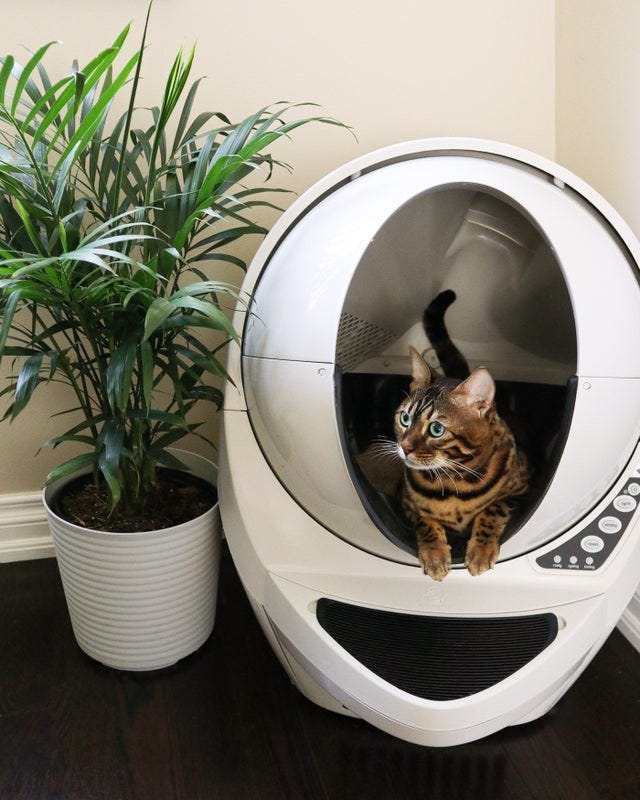
Avoiding a dirty litter box
- Pet Behavior
- Pet Breeds
- Pet Names
- Pet Adoption
- Pet Training
- Cat Stories
- Pet Health
- Adorable Pets
- Cats
- How Long Can a Cat Survive Without Food? Expert Guide
- How Long Should Your Cat Stay in a Carrier? Expert Tips for Safe Travel
- How Long Can a Cat Survive Without Food and Water? Expert Guidance and Quick Facts
- How Long Can a Turtle Survive Without Water? Key Facts & Care Tips
- How Long Can a Cat Survive Without Food?
- How Long Can a Dog Go Without Pooping? Health Insights & Signs to Watch
- How Long Can Cats Survive Without Water? A Veterinary Guide