

Understanding Stomach and Leg Hair Loss in Dogs: Causes, Symptoms, and Treatment
Dogs can experience hair loss, also known as alopecia, due to health issues, infection, parasites, or fungal infections. A dog with hair loss on stomach and legs may be the first sign that something is wrong. Other times, you'll see hair loss as patchy, or on the pup's full body. Many skin and hair problems have simple remedies, though some problems can signal serious underlying medical conditions. Veterinary advice is recommended to ensure accurate diagnosis and treatment of hair loss in dogs.
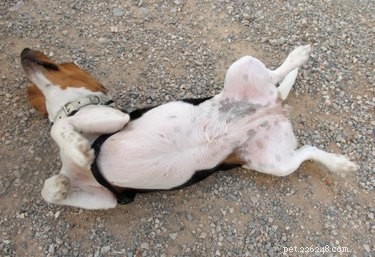
Dog losing hair on legs
For a dog losing hair on legs or stomach, parasite bites or allergic reactions could be the culprit. Some dogs can be bitten by bugs and have no ill effects, while others have allergic reactions that result in hair loss. Flea dermatitis allergies can result in hair loss, as can tick, and insect bites, which are often concentrated on the area of the dog closest to the ground — primarily legs and stomach. Sensitive dogs also may have allergic reactions to plants, lawn care substances, or household chemicals they come in contact with, resulting in irritated skin and hair loss.
Look for mange or deficiencies
Mange is caused by the Demodex mite and can result in widespread patchy hair loss. Mange is often seen in dogs of any age experiencing infection, trauma, and nutritional deficiencies. Canines who have not been well cared for, or those who have received inadequate health care, may have underlying immune or endocrine system problems. Mange is treated using topical ointments and medicated shampoos, and by treating the underlying health problem.
Beware of canine ringworm

Ringworm is a fungal infection that looks like raised circular welts with a red outer edge, and a pale, crusty, or white center. Hair loss frequently occurs around these lesions and is often concentrated on the trunk, face, stomach, and legs of dogs. Ringworm is highly contagious between humans and animals, and usually is treated with an anti-fungal medication.
Dog bald spot on leg
If a dog has a bald spot on their leg, it could be a hot spot. Hot spots develop when a dog licks or chews at an irritated area of skin to the point he develops hair loss and open, red, wet sores. These occur more frequently on the stomach and legs, as these are the areas easiest for a dog to reach with his mouth. Many things can incite a dog to create hot spots, from bug bites to skin irritations. Hot spots are usually treated with topical anti-itch or antibiotic creams, and by keeping the wounds dry and protected.
Other causes of hair loss

Your dog could experience hair loss due to stress, a metabolic disorder, adrenal gland, or thyroid problems. Hormonal fluctuations and skin yeast infections can be culprits as well. Some skin cancers and tumors also may present with hair loss. Your vet will likely diagnosis your pup's specific problem by conducting a physical exam, running blood and urine tests, and possibly taking skin cultures for examination. Treatment will depend on the underlying medical problem.
- Pet Behavior
- Pet Breeds
- Pet Names
- Pet Adoption
- Pet Training
- Pet Information
- Pet Health
- Adorable Pets
- Dogs
- Understanding Prednisone-Related Hair Loss in Dogs: Causes, Risks, and Management
- Understanding and Treating Snout Hair Loss in Dogs
- Understanding Cat Hind-Leg Hair Loss: Causes, Symptoms, and Solutions
- Managing Pet Hair and Shedding: Practical Tips for a Cleaner Home
- 10 Proven Ways to Soothe Your Dog’s Upset Stomach
- How to Feed Your Dog When Its Stomach is Upset – Safe Foods & What to Avoid
- Effective Home Remedies for Dog Hair Loss & Alopecia