

Top Tips for Maintaining Healthy Skin and Coat in Doberman Pinschers

Doberman pinschers are more prone to certain skin problems than other breeds. Dogs with any crusty skin and hair loss on the nose, feet, or ears are likely to have a skin condition called pemphigus foliaceus. And Dobermans with sores and hair loss on the flanks, legs, or feet may suffer from a condition known as lick granuloma. This is caused by obsessive licking of the same area over and over again.
At the first sign of any Doberman skin problems, get your dog to the veterinarian for an examination. The doctor can prescribe a medicated shampoo to treat the affected areas of your dog's body and get the skin and coat back to normal.
Doberman nutrition and supplements
The reason for some Doberman skin problems is a poor diet. Dobermans are active dogs who need a lot of exercise to stay healthy. This means that they require a good amount of calories in their diet to support their high activity level. Their diet should consist of a complete and balanced dog food containing a hearty amount of meat-based proteins and fats. A good diet will ensure a rich, glossy coat and reduce shedding issues too.
Foods rich in omega-3 and omega-6 fatty acids also help moisturize your dog's skin from the inside out. Fish oil supplements for dogs are rich in these ingredients and may help keep your pup's coat shiny and healthy.
Thyroid issues in Doberman pinschers
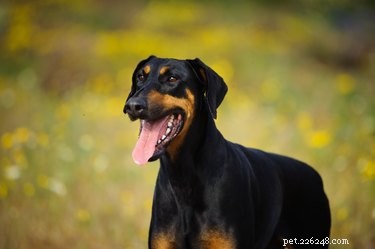
For Doberman pinschers experiencing dry skin and coat issues, even with regular grooming and supplements, a thyroid problem could be the cause. Dobermans tend to suffer from hypothyroidism, which can cause a variety of symptoms including dry skin and a thinning coat, especially along the dog's back.
Bring your Doberman pinscher to the veterinarian for a proper diagnosis to determine if a thyroid problem is to blame for the poor quality of his coat. The doctor will run a series of blood tests on your dog to see if this is the case. Your vet will then prescribe a thyroid supplement for your Doberman if needed, which should resolve any skin and coat issues.
Always check with your veterinarian before changing your pet’s diet, medication, or physical activity routines. This information is not a substitute for a vet’s opinion.
- Pet Behavior
- Pet Breeds
- Pet Names
- Pet Adoption
- Pet Training
- Pet Information
- Pet Health
- Adorable Pets
- Dogs
- Top 10 Superfoods for Your Dog’s Healthy Skin and Shiny Coat
- When and How to Bathe Your Dog: A Complete Guide
- A Comprehensive Guide to Your Dog’s Skin and Coat: Layers Explained
- How Your Dog’s Diet Shapes Skin Health and Coat Quality
- Expert Guide to Maintaining Healthy Skin and Shiny Coat for Your Dog
- Expert Guide to Maintaining Your Dog’s Coat: Health, Beauty, and Care Tips
- 10 Proven Steps for a Healthy, Shiny Coat and Clear Skin in Your Dog