

Managing Pet Anxiety: Proven Strategies to Support Your Furry Friend
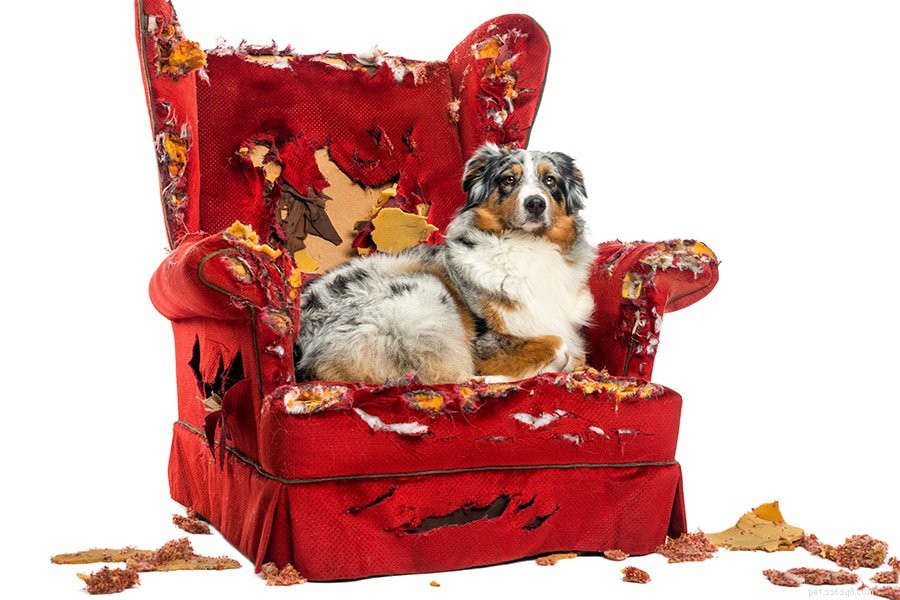
For many pet owners who come home to ripped up pillows, terrified cats, and overstressed dogs, anxiety is a very familiar, but little discussed, problem. This is why we are examining anxiety in pets, in honor of both Pet Anxiety Awareness Week (which takes place from June 25th until July 1st this year) and the many pets who experience anxiety. It is important to remember, though, that anxiety in pets is not a lifelong condition and it can be treated just like any other behavioral problem.
Read on to understand a little bit more about this misunderstood disorder, what causes it, and a few tips to help pet parents cope:
What Pet Anxiety Looks Like:
Anxiety is when a pet fears a situation or object so much that they cause harm, either to themselves or to their surroundings, which prevents them from living a normal life. Dogs with anxiety may tear apart drywall or doors, knock over household objects in distress, bark until they lose their voice, bite themselves or others, or poop or pee in inappropriate places. Cats may go into hiding and react violently to being removed from their safe spot, they may pee or poop outside the litter box, they may stop eating or drinking to avoid what they are afraid of, and they may show signs of personality changes or extreme grooming that results in injury.
Causes of Anxiety:
Anxiety is considered a phobia, or a persistent and excessive fear of a specific event or stimulus. Usually, a phobia develops after a single interaction with what they are afraid of, such as Fluffy’s first thunderstorm happening when they were trapped outside, or Button’s first introduction to dogs resulting in stitches. They usually come from very negative first encounters that are so memorable they stick with them for a long time and cause excessive fear.
The most common form of anxiety for pet owners is separation anxiety when a pet (usually a dog) is separated from their favorite person for even a short time. Other types of anxiety are fear of water during bath time, car rides, being in a crowded environment or any other situation where your pet may show extreme behavior. Anxiety usually becomes worse with age, as thinking processes and memories fade and your pet loses some understanding of what is happening around them and are more likely to become anxious.
It is important to remember that even pets with very understanding and knowledgeable parents can have pets that develop anxiety, but there are some steps you can take to decrease the chance your pet will experience anxiety and can help them cope if they do have it.
How to Help Your Pet:
Socialization during the first months as a puppy or kitten, or up to one year of age, is the best time to expose your pet to new experiences in a positive way. By taking them with you everywhere or bringing them new items to experience, you can create positive first experiences with many items that have the potential to turn into phobias. Take plenty of treats to encourage your dog or cat that new people are a good thing, or that thunderstorms don’t have to be scary, or that crowds can be tons of fun.
Adult socialization is just as important, as you must continue to expose your pet to new experiences and environment as they age to reinforce the idea that these experiences are good. Socialization can include both you and your pet professional, such as 2 Paws Up, Inc., working together to create positive experiences for your pet at any stage of development.
Just in case you are one of many pet owners who has a pet already experiencing anxiety, there are many ways to train your pet out of their destructive behavior gently. Your first step should be to your local veterinarian, to make sure that your pet is healthy and an underlying medical condition does not cause their antics. Your vet may also be able to recommend medications that can help you tackle severe anxiety more easily, especially when used with training modification. There are many other steps you can take to help your pet manage their anxiety:
If you have a pet who is suffering from anxiety, no matter whether it is separation anxiety, fear of thunderstorms or fireworks, or just generalized anxiety, we encourage you to contact us at 2 Paws Up, Inc. for ways to help you and your pet cope with this condition.
Do you have any tips that have helped your pet overcome their anxiety, no matter the cause? Let us know in the comments about your success story!
- Pet Behavior
- Pet Breeds
- Pet Names
- Pet Adoption
- Pet Training
- Pet Information
- Pet Health
- Adorable Pets
- Dogs
- Guide to Helping Your Pet Shed Excess Weight
- Effective Strategies to Calm an Anxious Pet
- Immediate Steps to Save Your Pet from Poisoning
- How to Safely Rescue a Cat That’s Stranded in a Tree
- Managing Dog Anxiety: Proven Strategies to Calm Your Furry Friend
- Proven Ways to Ease Your Dog’s Separation Anxiety
- Recognizing Dog Stress: Key Signs & Proven Ways to Ease Pet Anxiety