

Recognizing Pain in Your Dog: Signs, Causes, and Care
Pet owners often read their dogs’ signals with ease—scratching at the back door signals a desire to go out, dropping a ball repeatedly invites play, and a lap‑bound dog craves affection. Detecting pain, however, is less obvious, as many dogs instinctively conceal discomfort. This guide explains the types of pain, key warning signs, and how to manage your dog’s suffering with confidence.
Pain in dogs can be acute or chronic. Acute pain is sudden, short‑lived, and usually stems from trauma, surgery or infection. It is best treated by addressing the underlying cause and may require a short course of vet‑prescribed analgesics. Chronic pain develops gradually, persists for months or years, and is often seen in conditions like arthritis. Untreated chronic pain can sensitize the nervous system, lowering the pain threshold and making even mild stimuli feel painful. Early recognition and treatment are essential to prevent long‑term complications.
Behavioral Clues That May Signal Pain
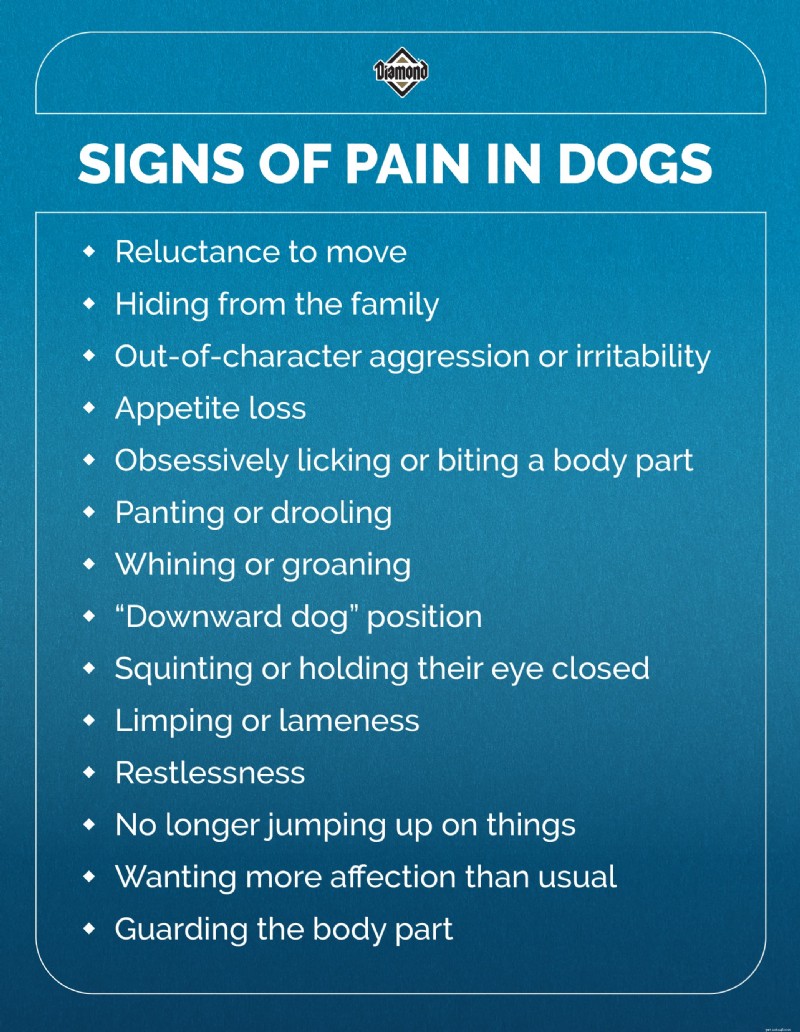
Changes in behavior are among the most reliable indicators of pain. If your dog licks a particular spot excessively, it likely indicates irritation or injury. Limping or refusing to weight‑bear on a limb suggests a painful joint or muscle. A usually placid dog that suddenly growls or shows aggression may be reacting to a sensitive area. Loss of appetite can signal oral pain, while reduced play, increased pacing, or atypical posture also warrant attention. If accidents occur indoors, it could be due to limited mobility. For a visual reference, see the infographic below.
Human Medications Are Not Safe for Dogs
It can be tempting to offer your dog over‑the‑counter pain relievers, but most human drugs are toxic to canines. Aspirin, ibuprofen, naproxen, and acetaminophen can cause severe gastrointestinal ulcers, renal or hepatic failure, bleeding disorders, and neurological damage, especially at high doses. Consult your veterinarian before administering any medication. For more details on how human medicines can harm canine kidneys, read our article on the topic.
When to Seek Veterinary Care
If you suspect your dog is in pain, schedule a vet appointment promptly. A symptom diary—recording the frequency, context, and severity of pain signs—can provide valuable insight. Video footage of your dog’s behavior can also aid diagnosis. Your veterinarian will perform a comprehensive exam and discuss the most effective pain‑management plan. Follow the prescribed medication regimen carefully; it is designed to deliver optimal relief. For tips on administering medication to pets, see our guide on giving pets medicine.
Create a supportive home environment: offer a padded, orthopedic bed; use ramps or stairs to reduce strain; keep the dog on a single level when possible. If arthritis is suspected, maintain a healthy weight to relieve joint stress. Remember, some dogs vocalize their pain loudly, while others remain silent. Trust your instincts—if your dog’s behavior seems off, a veterinary check‑up is warranted.
RELATED POST: Are You Prepared for a Pet Health Emergency?
The information in this blog was developed with a Doctor of Veterinary Medicine and is intended to educate pet parents. For personalized advice, please consult your veterinarian.
- Pet Behavior
- Pet Breeds
- Pet Names
- Pet Adoption
- Pet Training
- Pet Information
- Pet Health
- Adorable Pets
- Dogs
- How to Choose the Perfect Name for Your New Dog or Puppy
- Cockatoo Ownership Costs: 2022 Price Guide & Buying Tips
- Top 5 Small Dogs Perfect for Family Homes
- Vet-Approved Guide: How to Treat Ringworm in Cats
- How Dogs Perceive You: The Science Behind Their Intuitive Bond
- Air Pollution & Your Pets: Protecting Their Health
- Yoga with Dogs: Boost Calmness, Health, and Happiness