

Diamond Pet Foods: Expert Guide to Winter Care for Dogs
Winter is upon us. While humans bundle up with coats and boots, our canine companions often face the cold without the same protection. Understanding how to keep dogs warm, dry, and healthy during the colder months is essential for any pet owner. This guide offers professional, veterinarian‑approved insights on preparing your dog for winter, protecting skin and paws, and deciding when a coat is necessary.
1. Preparing Your Dog for the Winter Season
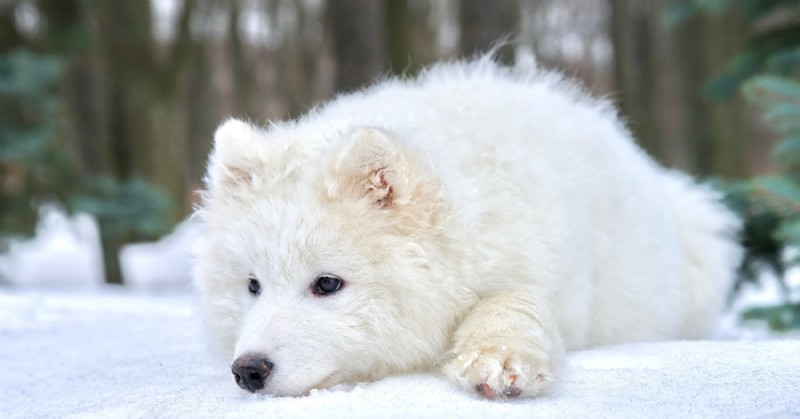
Dogs transition into winter at different rates. If your pup spends most of its time indoors, gradually introduce short outdoor walks during milder weather to build tolerance. For dogs that already enjoy outdoor adventures, maintain their routine but monitor for signs of discomfort. Key steps include:
- Observe your dog’s behavior and tolerance to cold.
- Keep outdoor visits brief when temperatures drop.
- Allow time for your dog to acclimate to new conditions.
2. Moisturizing Your Dog’s Skin in Cold, Dry Air
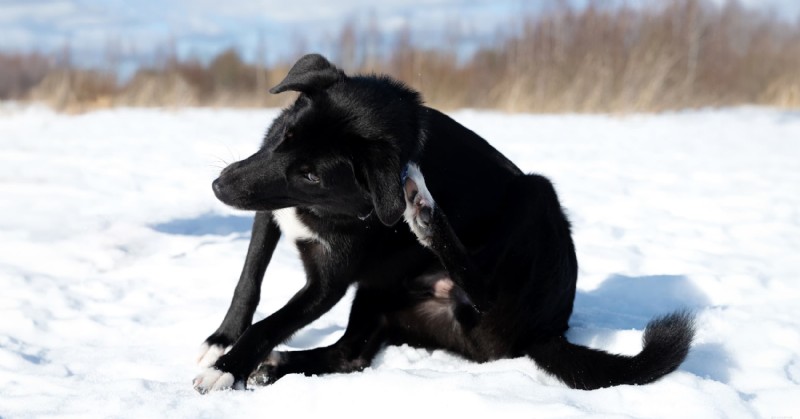
Cold, dry air can strip moisture from a dog’s skin, leading to itching, cracking, or even bleeding. Signs of dry skin include flakiness, redness, and increased scratching. Veterinarians recommend:
- Using a dog‑specific moisturizer or balm.
- Ensuring your dog’s diet contains omega‑3 fatty acids.
- Keeping indoor humidity at 40‑50% where possible.
READ MORE ABOUT MOISTURIZING DOGS IN WINTER
3. Protecting Your Dog’s Paws from Ice and De‑icers
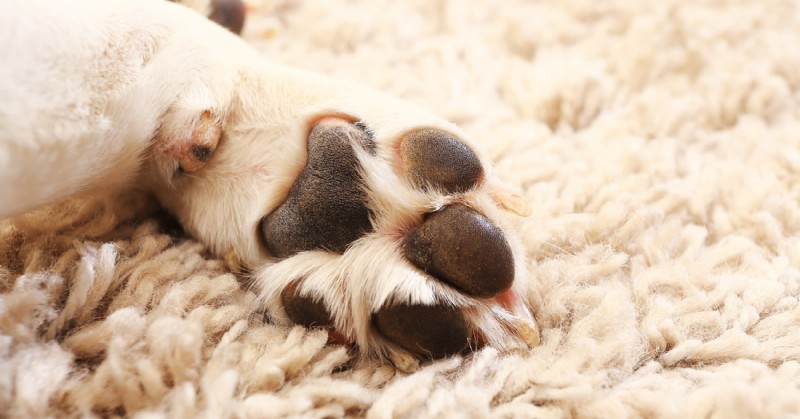
Paws are vulnerable to frostbite, cracking, and chemical irritation from road salt and de‑icers. Safeguard your dog by:
- Wiping paws dry after walks.
- Inspecting for cracks, mats, or debris.
- Applying pet‑safe paw balms or protective booties.
- Choosing de‑icers formulated for animals or keeping dogs away from heavily treated areas.
READ MORE ABOUT PROTECTING DOG PAWS IN WINTER
4. When Is It Too Cold for Your Dog?
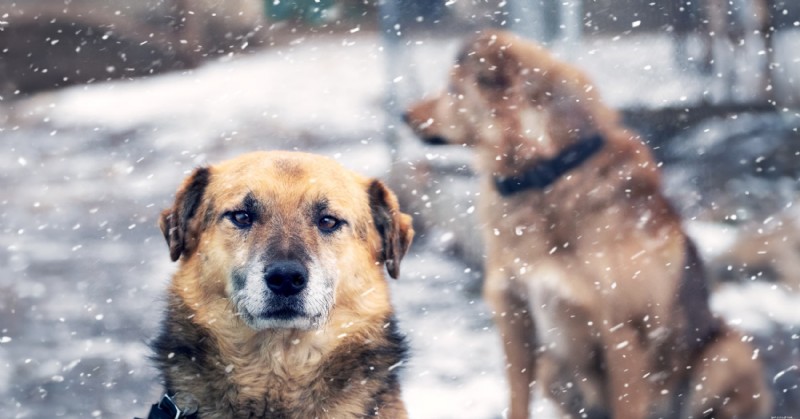
Even breeds like huskies and Alaskan malamutes, renowned for their thick coats, can suffer in extreme cold. Factors such as wind chill, humidity, and the dog’s body size influence tolerance. A general rule: if the wind chill drops below 15°F (-9°C) or if you notice your dog shivering or refusing to move, it’s time to bring them indoors or provide additional warmth.
LEARN MORE ABOUT DOGS IN COLD WEATHER MYTHS
5. Bathing Your Dog in Winter: Tips and Precautions
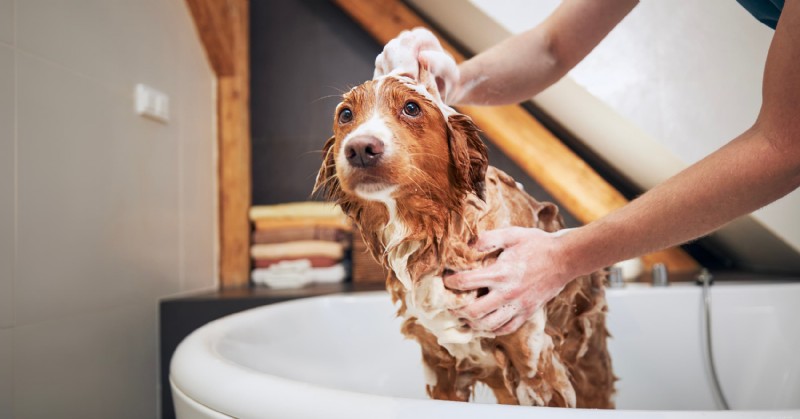
Cold weather demands careful bathing practices:
- Use lukewarm water (around 90°F/32°C) to avoid shocking the skin.
- Choose a gentle, hypoallergenic shampoo to prevent irritation.
- Dry the dog thoroughly and keep them indoors for at least 30 minutes post‑bath.
- Check for skin issues before and after the wash.
LEARN MORE ABOUT BATHING YOUR DOG IN WINTER
6. Should You Purchase a Winter Coat for Your Dog?
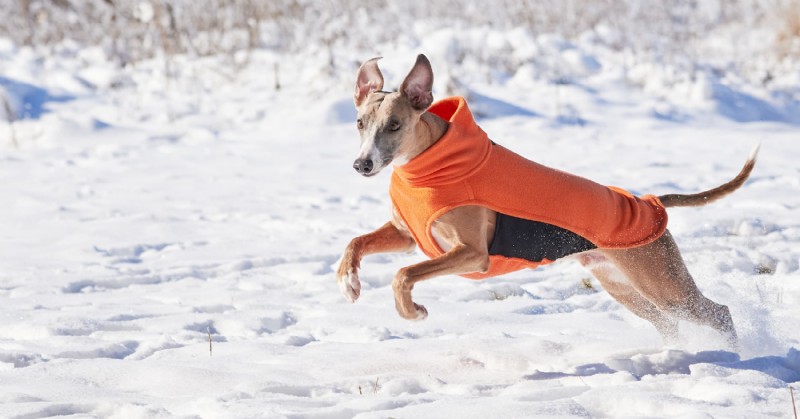
Coats can be beneficial for small breeds, short‑haired dogs, or those with medical conditions that limit heat retention. Evaluate:
- Breed and coat type.
- Average outdoor temperatures and wind chill.
- Whether the dog enjoys cold or prefers warmth.
LEARN MORE ABOUT WINTER COATS FOR DOGS
7. Extra Care for Dogs in Cold Weather
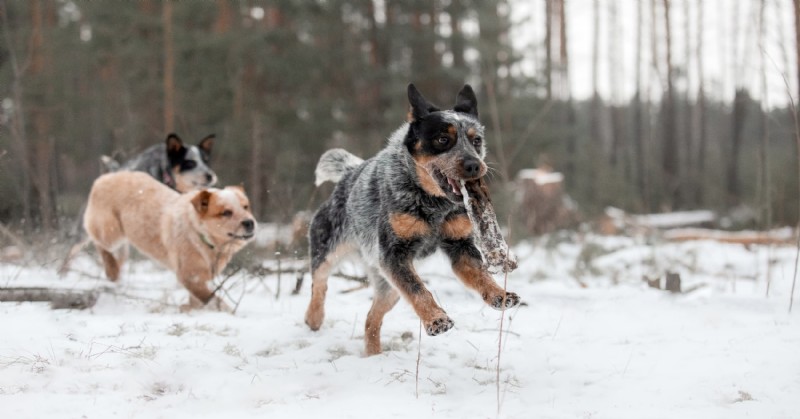
Not all dogs adapt equally to winter. Larger breeds or those with short coats may need extra vigilance. Monitor for:
- Excessive shivering or lethargy.
- Changes in appetite or water intake.
- Signs of frostbite or chapped skin.
RELATED POST: HOW TO SOCIALIZE A DOG: A DIAMOND PET FOODS GUIDE
The information in this blog has been developed with a Doctor of Veterinary Medicine and is designed to help educate pet parents. If you have questions or concerns about your pet's health or nutrition, please talk with your veterinarian.
- Pet Behavior
- Pet Breeds
- Pet Names
- Pet Adoption
- Pet Training
- Pet Information
- Pet Health
- Adorable Pets
- Dogs
- 75 Elegant Italian Dog Names to Inspire Your New Pet
- Discover the Conure: A Loving, Intelligent Bird Companion
- Effective Home Care for Dry Skin in Dogs: Quick Relief & Prevention
- The Science Behind Why Dogs Learn Tricks—and How to Teach Them
- Father-Daughter Dog Breeding: Risks, Ethics, and Consequences
- 30 Adorable Snake Species That Will Brighten Your Day
- Flushing Cat Litter: Why It May Not Be as Green as Advertised