

Dog Heartworm Treatment Costs in 2025: What You Need to Know
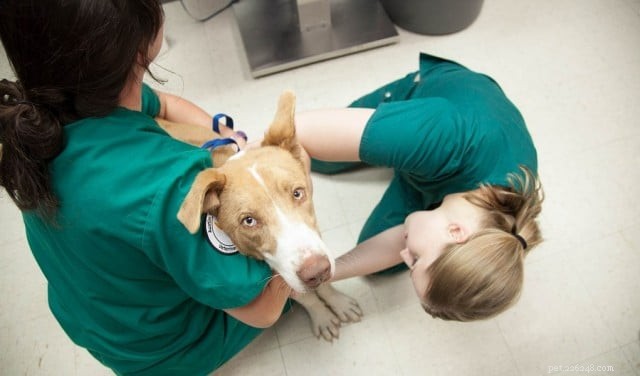 Photo: Austin Community College
Many dog owners underestimate the importance of heartworm prevention and the severity of this disease.
Heartworm disease can be fatal if left untreated, so understanding the costs involved is essential for any responsible pet owner.
In this article, we’ll break down the real cost of dog heartworm treatment in 2025, explore the signs to watch for, and explain why prevention is far more affordable than cure.
So, is your dog protected?
Let’s dive into the numbers and learn how you can safeguard your companion’s health without breaking the bank.
What Is Heartworm Disease in Dogs?
Heartworm disease is caused by the parasite Dirofilaria immitis, transmitted through mosquito bites. When a carrier mosquito bites a dog, it injects eggs or larvae that mature into adult worms in the heart, lungs, or blood vessels.
It is a serious, potentially fatal condition that affects dogs across all 50 states. According to the American Heartworm Society, the number of heartworm-positive dogs grew from about 800,000 in 2011 to over 1.2 million two decades later.
Signs & Symptoms
Early symptoms are subtle and can be mistaken for other illnesses:
- persistent coughing
- lethargy
- reluctance to exercise
- fatigue after light activity
- decreased appetite
- weight loss
Because symptoms often appear late, delayed treatment can lead to severe complications, such as:
- labored breathing
- heart failure
- ascites (swollen belly)
- blood flow blockages in the heart
Early detection is key—consult your vet if you notice any of these signs.
What Does Treatment Cost?
Heartworm treatment is expensive, typically ranging from $500 to $1,800 per treatment round. Most cases require two or more rounds, and severe cases can exceed $6,000.
Below is a step‑by‑step cost breakdown for 2025:
| Step | Average 2025 Cost | Purpose & Frequency |
|---|---|---|
| Initial Antigen Test | $35–$75 | Detects adult female worms; part of annual screening. |
| Confirmatory Microfilariae Test | $20–$40 | Checks for larval stage; done after a positive antigen test. |
| Chest X‑Ray | $150–$250 | Assesses heart and lung status; required before treatment. |
| Echocardiogram (optional) | $300–$600 | Provides real‑time imaging in advanced cases. |
| Blood Work (CBC & chemistry) | $100–$200 | Evaluates organ function; may repeat post‑treatment. |
| Doxycycline (30 days) | $11–$16 | Targets Wolbachia bacteria; reduces inflammation. |
| Prednisone (2–4 weeks) | $8–$15 | Reduces inflammation during treatment. |
| Melarsomine Injections (2–3 doses) | $500–$1,500 | Kills adult worms; administered in stages. |
| Pain Relief / Steroids | $30–$80 | Manages injection site soreness. |
| Hospitalization & Monitoring (severe cases) | $600–$3,500/night | Includes IV fluids, oxygen, ECG; 1–3 nights. |
| Follow‑Up Checkups & Testing | $25–$186 per visit | Bloodwork and tests at 6 & 12 months post‑treatment. |
| Long‑Term Preventatives | $70–$200/year | Monthly meds such as Heartgard, Interceptor, or Simparica Trio. |
Costs vary with your dog’s size, the infection’s severity, location, and any complications that arise.
Why Is Treatment So Expensive?
Specialized medication—melarsomine dihydrochloride—requires careful handling and is administered by a trained vet. The treatment spans several months and includes multiple visits, injections, and monitoring, which drives up the price.
Prevention vs. Treatment
Prevention is far more cost‑effective. Monthly preventatives typically cost $6–$16 per month ($70–$200 annually), whereas a full treatment can cost ten times that amount.
Common Preventatives
- Heartgard Plus® – Monthly chewable that also protects against certain intestinal parasites.
- Interceptor® – Monthly chewable with broad parasite coverage.
- Revolution® – Topical solution protecting against heartworms, fleas, and mites.
All these preventatives also guard against fleas, ticks, hookworms, and roundworms. Discuss with your vet which brand best suits your dog’s needs.
Annual heartworm testing costs approximately $45–$100.
FAQs
1. Can heartworm go away without treatment?
No. The disease progresses unchecked, often leading to heart failure and death.
2. How long does treatment take?
Typically 4–6 months, including pre‑treatment meds, injections, and recovery.
3. Is treatment painful?
Some dogs experience injection site discomfort, but most recover well with proper care.
4. Can I treat at home?
No. Treatment must be performed by a vet with close monitoring.
5. What if I can’t afford treatment?
Ask about payment plans, CareCredit, or local pet assistance programs. Some vets offer a slow‑kill protocol, though the American Heartworm Society advises against it.
Before You Proceed
Heartworm treatment is costly but lifesaving. Preparation includes:
- Maintaining monthly preventatives year‑round.
- Scheduling annual heartworm tests, even for indoor dogs.
- Discussing budget‑friendly options with your vet.
Share your experiences or tips in the comments below! Explore related articles for more insight.
Related Articles
- Pet Owner Claims Dog Died After Taking Common Heartworm Medication
- 11 Most Deadly Dog Diseases
- Can Humans Get Worms from Dogs?
Disclosure: We may earn affiliate commissions at no cost to you from the links on this page. This does not affect our assessment of products. Read more here and find full disclosure here.
Comments are closed for this post.
- Pet Behavior
- Pet Breeds
- Pet Names
- Pet Adoption
- Pet Training
- Pet Information
- Pet Health
- Adorable Pets
- Dogs
- Goldendoodle Puppies: Complete Breed Guide & Care Tips
- Recognizing and Managing Testicular Cancer in Dogs: Key Symptoms & Prognosis
- How to Switch Your Dog to a Healthier Kibble—and Why It Matters
- The Science Behind Why Dogs Move Their Food: A Guide for Pet Owners
- Understanding Why Cats Jump on Kitchen Counters and How to Stop It
- Daily Playtime Guidelines for Your Cat: How Much Time Is Enough?
- Rock Dove (Rock Pigeon): City-Wide Bird Spotting Guide