

Can Dogs Get Sick From Eating Cat Poop? Risks, Symptoms, and Prevention
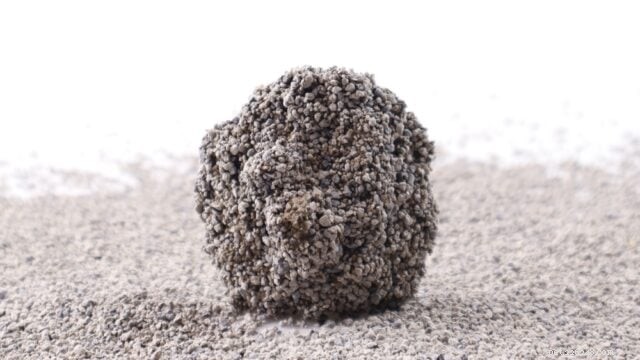
Living with both a dog and a cat is a joy, but it also brings unexpected challenges—one of which is dogs eating cat litter. Although the act may seem quirky, it can introduce a host of pathogens and parasites that endanger your dog’s health.
Why Dogs Are Drawn to Cat Litter
- Inherited Instincts: Modern dogs still carry the scavenging drive of their wolf ancestors, which can lead them to investigate any food source—including cat feces.
- Behavioral Triggers: Boredom, anxiety, or a lack of stimulation can prompt a dog to eat unusual items. Training the “leave it” command often curbs this habit.
- Nutrition Gaps: Dogs on low‑quality diets may seek additional protein and nutrients found in cat feces. A balanced, high‑protein diet reduces the urge to forage.
According to the American Veterinary Medical Association, coprophagia can signal underlying nutritional deficiencies or stress—so it’s more than a simple curiosity.
Health Risks of Eating Cat Poop
Toxoplasmosis
Caused by Toxoplasma gondii, this parasite is primarily transmitted through contaminated cat feces. Puppies and immunocompromised dogs face the greatest risk, potentially experiencing neurological or respiratory symptoms. Early detection and a targeted medication regimen usually result in full recovery.
Campylobacteriosis & Salmonellosis
These bacterial infections can trigger severe diarrhea, vomiting, and fever. Watery or bloody stools, abdominal pain, and lethargy are common signs. Prompt veterinary care and fluid therapy are essential.
Intestinal Parasites
Roundworms, hookworms, whipworms, tapeworms, coccidia, and Giardia can all be contracted from cat feces. Your vet will prescribe an appropriate dewormer; treatment may last several weeks depending on infestation severity.
Intestinal Blockage from Litter
Clumping cat litter can swell in the stomach, causing a blockage that may require surgical intervention. Non‑clumping or silicone‑based litters pose less of a risk but still require caution.
Recognizing Symptoms in Your Dog
After your dog ingests cat poop, monitor them for 72 hours. Watch for:
- Vomiting or retching
- Diarrhea, especially if watery or bloody
- Lethargy or reduced activity
- Loss of appetite
- Excessive drooling or lip licking
- Abdominal discomfort or scooting
- Visible worms or mucus in stool
If any of these signs persist or worsen, contact your veterinarian immediately.
Immediate Actions If Your Dog Eats Cat Litter
- Remain calm; many cases resolve without medical intervention.
- Gently clean your dog’s mouth with a damp cloth or use a pet‑safe mouthwash.
- Remove the dog from the litter area and restrict access to prevent future incidents.
- Call your vet if you observe any symptoms or if your dog is a puppy, senior, or has a weakened immune system.
Preventing Future Incidents
- Use top‑entry or covered litter boxes to deter dogs.
- Place litter boxes in high or gated areas beyond the dog’s reach.
- Clean the litter box daily to reduce scent attraction.
- Employ baby gates or cat doors to give cats private access while keeping dogs out.
- Consistently train the “leave it” command and redirect with engaging toys or puzzle feeders.
FAQ
Is cat litter hazardous to dogs?
Cat litter itself isn’t toxic, but large amounts of clumping litter can cause intestinal blockage. Silica‑based or scented litters may irritate a dog’s digestive tract.
Does eating cat poop indicate a health problem?
Not always. It can stem from boredom or curiosity, but repeated incidents might signal nutritional or digestive issues that warrant a vet visit.
Should I deworm immediately after ingestion?
Consult your vet first. Depending on risk factors, they may recommend a deworming regimen or a fecal test to determine the need for treatment.
Bottom Line
Yes—dogs can get sick from eating cat poop. Protect your pup by managing litter access, ensuring a balanced diet, and training them to stay away. If you suspect an infection, seek veterinary care promptly.
Share your experiences or ask questions in the comments below. For more insights, explore our related articles on pet health.
Related Articles
- My Dog Ate Cat Food: Why Is It Harmful?
- 16 Signs Your Dog Ate Something Bad
- My Dog Ate a Fly: Is My Dog In Danger?
Disclosure: We may earn affiliate commissions at no cost from the links on this page. This does not affect our product assessments. Read more and find full disclosure.
- Pet Behavior
- Pet Breeds
- Pet Names
- Pet Adoption
- Pet Training
- Pet Information
- Pet Health
- Adorable Pets
- Dogs
- Protect Your Pets: Top Halloween Safety Hazards to Avoid
- Gecko Care Guide: Terrarium Setup, Supplies, and Key Facts
- How to Stop Your Puppy From Tugging on Your Clothing: Proven Strategies for Calm Walks
- Why Electric Flea Traps Fail: Proven, Non-Toxic Alternatives for a Pest-Free Home
- Why Cats Act Jealous and How to Calm Their Envy
- Proven Tips to Train Your Senior Dog Successfully
- Mastering Deaf Dog Training: Proven Methods for Success