

Effective Allergy Relief for Dogs: OTC and Prescription Options Explained
All featured products are chosen at the discretion of the GreatPetCare editorial team and do not reflect a direct endorsement by the author or reviewer.
If your dog is scratching, scratching, and looks uncomfortable, you may wonder whether over‑the‑counter (OTC) treatments or nutritional supplements can bring relief, or if a prescription medication like Apoquel is necessary. The reassuring truth is that a range of options can soothe itchy, inflamed skin—provided your dog is accurately diagnosed first.
“Treating only the symptoms of allergies without addressing the underlying cause delivers only temporary comfort,” explains Dr. Alejandro Caos, a veterinarian who runs the at‑home service The Vets. “Partnering with a vet to pinpoint the specific allergen allows you to avoid it and prevent future flare‑ups.”
Dogs can react to a variety of triggers: flea bites, pollens and grasses, certain foods, cleaning chemicals, metals, synthetic fabrics, and even some medications. According to Lindsay Butzer, DVM, of Clint Moore Animal Hospital in Boca Raton, Florida, the most common causes are food, environmental allergens (like pollen), and flea bites.
Read on to discover why allergy relief is essential for dogs and learn about the array of treatments available.
Why Managing Dog Allergies Is Crucial
Because allergies are usually lifelong, proper treatment and management are vital.
“If left untreated, allergies can lead to skin infections, ear problems, respiratory distress, and gastrointestinal upset,” says Dr. Caos. “Addressing the root cause can stop these complications before they arise.”
Diagnosing the exact trigger can be challenging, but veterinarians use a systematic approach—blood or skin tests, and in suspected food allergies, an elimination diet—to identify culprits. Dr. Butzer adds, “A thorough exam and discussion can often reveal the cause; if symptoms persist, allergy testing becomes essential.”

Fortunately, there are many proven remedies for dog allergies. Some focus on relieving itchy, inflamed skin, while others aim to reduce or eliminate the allergy itself.
“Once the allergen is identified, a vet can craft a personalized plan that may include avoidance, medication, immunotherapy, or a combination,” says Dr. Caos. “Prescription diets are also a key tool for food‑allergic dogs.”
Prescription Allergy Medications for Dogs
Based on a comprehensive exam and any testing, your veterinarian may prescribe one or more of the following:
Antihistamines: Block histamine release to reduce itching.
Corticosteroids: Suppress immune responses and inflammation. Common examples include prednisone and dexamethasone. Because of potential long‑term side effects, they’re usually reserved for short‑term use.
Immunomodulators: Modify the immune response to lessen inflammation. Popular choices are Apoquel (oclacitinib) and Atopica (cyclosporine). Apoquel provides rapid itch relief with fewer side effects, making it suitable for both short‑ and long‑term control. Atopica is more gradual, ideal for long‑term management.
Immunotherapy (Allergy Shots): Also known as allergen‑specific immunotherapy (ASIT), this involves controlled injections of allergens to build tolerance over time, primarily for environmental allergies.
Antibiotics and Antifungals: Used when secondary skin infections develop as a result of scratching.
Over‑the‑Counter Allergy Treatments for Dogs
Some human OTC antihistamines—Benadryl (diphenhydramine), Zyrtec (cetirizine), and Claritin (loratadine)—are safe for dogs under veterinary guidance. However, dosage and drug choice must be tailored to the pet’s age, weight, and health history.
Dr. Caos cautions against giving dogs OTC decongestants or nasal sprays without vet approval. “Many contain ingredients like pseudoephedrine or phenylephrine that can be dangerous to pets,” he warns.
If you suspect your dog has ingested a harmful human medication, contact your veterinarian immediately or call the Pet Poison Helpline at 855‑764‑7661 or the ASPCA Animal Poison Control hotline at 888‑426‑4435. Consultation fees may apply.
Supplements That May Aid Allergy Management
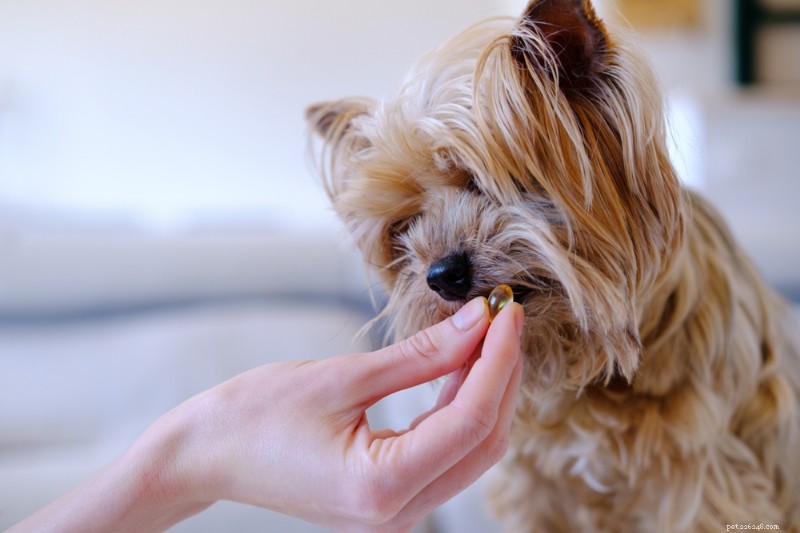
While supplements can support overall health, they should never replace veterinary care. Always consult a vet before adding any supplement to your dog’s routine. Potentially helpful options include:
Omega‑3 Fatty Acids: Fish oil, flaxseed oil, and krill oil promote skin barrier health and reduce inflammation.
Probiotics: Support a healthy gut microbiome, which can modulate the immune system and ease food‑allergy symptoms.
Quercetin: A natural flavonoid that stabilizes mast cells, offering anti‑inflammatory and antioxidant benefits.
Vitamin E: A potent antioxidant that may help reduce skin inflammation and support immune function.
Safe Home Remedies for Dog Allergies
Complementary home care can soothe itchy skin. Consider oatmeal baths, calming wipes, and cooling pads to ease discomfort. Dr. Caos suggests a quick DIY cooling pad: place a damp towel in the fridge or freezer for a few minutes before applying it to the dog’s skin.
Practical Tips to Minimize Allergy Symptoms

Reducing environmental exposure can dramatically lessen flare‑ups. Avoid smoking around your dog, steer clear of strong chemical cleaners, scented candles, and air fresheners. Regular vacuuming, sweeping, dusting, and laundering of bedding and household linens help keep allergens at bay.
“Owners should proactively limit their dogs’ exposure to known allergens,” says Dr. Butzer. “This may mean cutting out certain foods, using hypoallergenic products, or restricting outdoor time during high pollen periods. Remember, over‑bathing can strip the skin’s natural oils, so keep wash frequency moderate.”
By combining a clear diagnosis, targeted treatment, and thoughtful home care, you can keep your dog comfortable and healthy for years to come.
- Pet Behavior
- Pet Breeds
- Pet Names
- Pet Adoption
- Pet Training
- Pet Information
- Pet Health
- Adorable Pets
- Dogs
- How to Keep Your Yard Fresh: Proven Solutions for Dog Poop Odor Control
- How Long Does a Dog’s Menstrual Cycle Last?
- How Turmeric Boosts Your Dog’s Health: Proven Benefits & Easy Use
- Why Dogs Have Long Ear Flaps: Anatomy, Function, and Aesthetics
- Sally Lightfoot Crab: Ultimate Tank Cleaner & Scavenger
- Smash-Faced Pets: How to Identify and Care for Cats & Dogs in Respiratory Distress
- Discover 7 Stunning African Dog Breeds & Their Unique Traits