

8 Expert‑Backed Ways to Ease Your Dog’s Pain
When a dog is in pain, the signs can be subtle or unmistakable. A whimper, a trembling paw, or a sudden reluctance to jump may indicate discomfort. At other times, the dog may simply become lethargic, avoid play, or lose its appetite.
Recent surveys reveal that between 38 % and 56 % of dogs brought to emergency veterinary clinics are suffering from pain. Whether it stems from an injury, ear infection, dental disease, arthritis, or post‑operative recovery, no owner wants to see their pet in distress.
Below are eight evidence‑based strategies you can implement at home to help your dog feel more comfortable and support their healing process.
What to Do When Your Dog Is in Pain
“Whether a dog is experiencing acute, chronic, or post‑operative pain, the impact on their mood and quality of life is profound,” explains Dr. Amber Karwacki, veterinarian and partner at Heart + Paw in Philadelphia. “A dog in pain will often withdraw from the activities and interactions that used to bring them joy.”
Your veterinarian is the first line of defense. They will identify the source of the pain and devise an individualized treatment plan, which may include prescription analgesics. It’s crucial to avoid over‑the‑counter human painkillers, many of which are toxic to dogs.
Beyond medication, there are several practical steps you can take to ease your dog’s discomfort.
8 Tips for Comforting a Dog in Pain
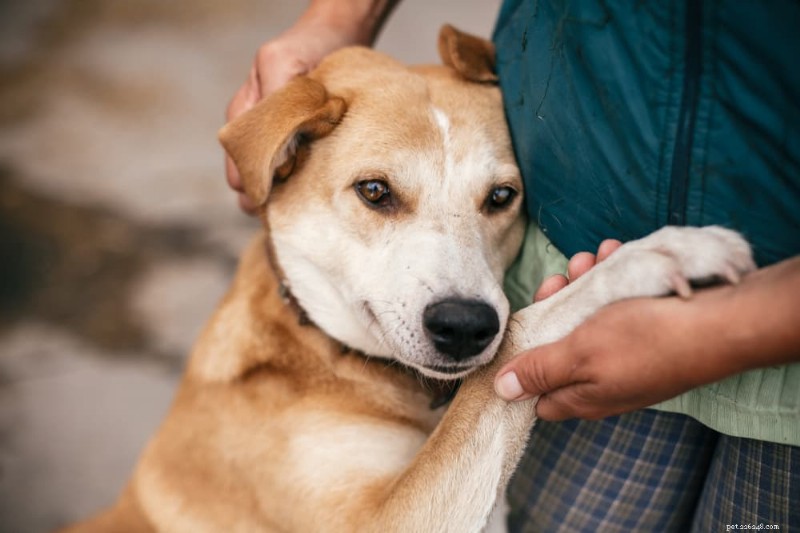
1. Set Medication Reminders
Consistent dosing is key to managing pain effectively. Use your smartphone or a pill organizer to remind you of each dose and prevent accidental double‑dosing, which can increase side effects.
2. Create a Safe, Quiet Space
Dogs in pain often need a calm environment where they can rest undisturbed. A crate in a spare bedroom or a designated corner with soft bedding can serve as a sanctuary. For dogs prone to separation anxiety, keep the safe space in an area you frequent to avoid increasing stress.
3. Keep Them Cozy and Accessible
Provide an orthopedic bed and soft blankets to support healing joints. Place food and water bowls within easy reach to reduce the need for movement. While a heating pad can soothe sore muscles, use it sparingly and ensure the dog can step off to avoid burns.
4. Explore Complementary Therapies
Massage, acupuncture, cold laser therapy, and physical therapy have shown promise in reducing pain and improving function in dogs with musculoskeletal conditions. Ask your vet about local specialists who offer these services.
5. Make Movement Easier
Ramps to beds or couches and non‑slip mats can help a dog avoid jumping and reduce strain on arthritic joints. This simple modification can improve mobility and confidence.
6. Consider Evidence‑Based Supplements
For chronic conditions like osteoarthritis, supplements containing glucosamine and chondroitin sulfate have been proven to alleviate pain and improve joint health (Martello et al., 2022). Some owners also use CBD oil; a Cornell University study found that 80 % of dogs treated with CBD experienced a reduction in osteoarthritis pain. Discuss with your vet to ensure compatibility with prescription medications.
7. Prioritize Gentle Bonding Time
Short, calm interactions—gentle petting, soothing voice, or puzzle toys—can provide mental stimulation and comfort without overexertion. Observe your dog’s cues; some may need alone time while others welcome affectionate attention.
8. Monitor for Persistent Pain Signals
Even with a comprehensive plan, pain can worsen. Look for signs such as limping, hunched posture, stiff gait, avoidance of touch, drooping ears, or abnormal lying positions. If any of these persist, schedule a follow‑up visit to reassess the treatment plan.
Working closely with a licensed veterinarian, using evidence‑based treatments, and attentively monitoring your dog’s behavior can significantly improve their comfort and recovery.
References:
- Riley, L.M., Satchell, L., Stilwell, L.M., & Lenton, N.S. (2021). Effect of massage therapy on pain and quality of life in dogs: A cross‑sectional study. Veterinary Record, 188(15), e586. https://doi.org/10.1002/vetr.586
- Silva, N.E.O.F., Luna, S.P.L., Joaquim, J.G.F., Coutinho, H.D., & Possebon, F.S. (2017). Effect of acupuncture on pain and quality of life in canine neurological and musculoskeletal diseases. Canadian Veterinary Journal, 58(9), 941‑951. https://pubmed.ncbi.nlm.nih.gov/28878418/
- Martello, E., Bigliati, M., Adami, R., Biasibetti, E., Bisanzio, D., Meineri, G., & Bruni, N. (2022). Efficacy of a dietary supplement in dogs with osteoarthritis: A randomized placebo‑controlled, double‑blind clinical trial. PLoS ONE, 17(2), e0263971. https://doi.org/10.1371/journal.pone.0263971
- Pet Behavior
- Pet Breeds
- Pet Names
- Pet Adoption
- Pet Training
- Pet Information
- Pet Health
- Adorable Pets
- Dogs
- New Jersey Pit Bull Regulations: What Owners Need to Know
- 29-Foot Giant Crocodile: How Deinosuchus Roamed the American Southeast 79 Million Years Ago
- Top 5 Fruits & Vegetables to Boost Your Dog’s Health
- Preventing and Treating Sunburn in Dogs: Signs, Care, and Summer Protection
- How Much Will You Spend on Your Pet’s Health? Essential Budgeting Tips
- Responsible Dog Breeding: A Comprehensive Guide to Healthy Mating
- Can Dogs Safely Eat Asparagus? A Quick Guide for Pet Owners