

Understanding Your Dog’s Cancer Treatment: Goals, Options, and What to Anticipate
If your dog has been diagnosed with cancer, it’s natural to feel anxious. Modern veterinary oncology offers a range of evidence‑based treatments that can extend both the lifespan and the quality of life for many pets.
While each case is unique—depending on the cancer type, stage, and the dog’s overall health—there are common themes in how treatment is approached and what owners can expect.
Primary Goals of Canine Cancer Care
The objectives of therapy vary with the disease, but they generally fall into one of three categories:
- Remission – Complete or partial disappearance of detectable disease.
- Cure – Total eradication of cancer cells from the body.
- Palliative care – When remission or cure isn’t achievable, the focus shifts to pain control, symptom management, and preserving comfort.
Common Treatment Modalities and What to Expect
Veterinary oncologists typically combine one or more of the following modalities: surgery, chemotherapy, radiation, or supportive care.
Surgery
When feasible, surgery aims to excise the tumor entirely. Success depends on tumor location, size, and the animal’s health status. Simple procedures, such as removing a superficial mast cell tumor, may be performed in a general practice. More complex resections are carried out by surgical oncologists under general anesthesia, with a recovery period of about two weeks.
In some cases, surgery is used to shrink a tumor before radiation or to provide palliative relief when cure is unlikely.
Chemotherapy
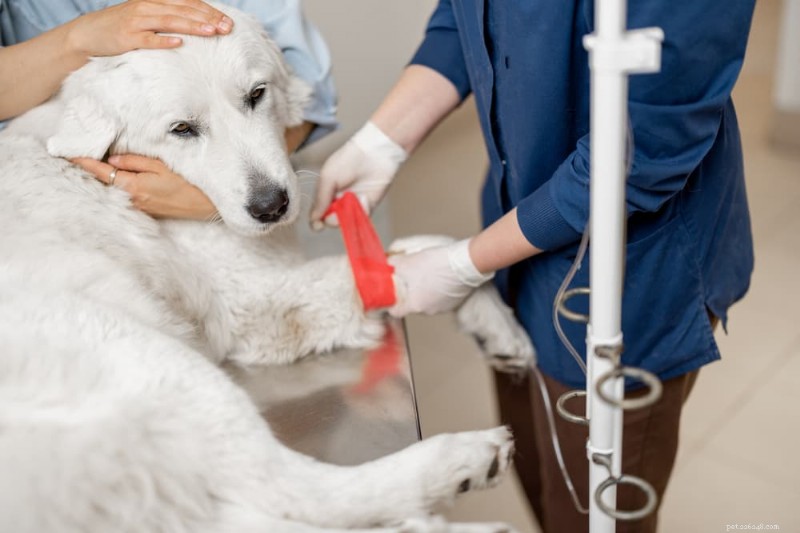
Chemotherapy delivers cytotoxic agents that target rapidly dividing cells. It is most often recommended for metastatic disease, high‑grade tumors, or cases unsuitable for surgery or radiation.
Drugs may be administered intravenously at the clinic or orally at home. Dogs usually tolerate chemotherapy well; routine blood work monitors for any adverse effects. If side effects arise, the protocol can be adjusted.
Radiation Therapy
Radiation focuses high‑energy beams on the tumor, damaging DNA to halt cancer growth. Treatment is fractionated over multiple sessions, each requiring brief anesthesia.
When surgery is not an option, radiation may be the sole modality, or it can complement surgery to eliminate microscopic residual disease. Side effects are generally mild, though redness or temporary hair loss at the treatment site can occur.
Supportive Care: Medications and Nutrition
Beyond curative intent, many dogs benefit from targeted medications and dietary adjustments.
Medications
- Anti‑emetics (e.g., Cerenia) for nausea
- Analgesics (carprofen, gabapentin, buprenorphine) for pain post‑surgery or from a painful tumor
- Appetite stimulants (mirtazapine, Entyce) when appetite declines
- Fluid therapy for dehydration
Nutrition
Optimal nutrition supports treatment response and overall well‑being. A balanced diet low in simple carbohydrates, rich in protein and healthy fats, is generally recommended. Special considerations include:
- High‑energy, high‑protein foods for cachexia or post‑surgery recovery
- Omega‑3‑rich diets to support immune function
- High‑quality canned or formulated diets for oral cavity tumors or limited chewing ability
- Digestive‑supportive formulas for gastrointestinal tumors or frequent vomiting/diarrhea
- Arginine supplementation to boost immunity
- Prescription therapeutic foods (e.g., Hill’s Prescription Diet ONC Care) when advised by the veterinarian
- In severe cases, feeding tubes may be considered to ensure adequate intake
Financial Considerations
Costs vary widely based on cancer type, required diagnostics (X‑ray, MRI, labs), treatment plan, and geographic location. A benign skin tumor may cost a few hundred dollars, while multimodal therapy can reach several thousand.
Many practices offer payment plans or can guide you toward pet insurance coverage. Discuss financial options early with your veterinarian.
Prognosis and Expected Outcomes
Prognosis hinges on factors such as cancer type, stage at diagnosis, overall health, tumor location, and chosen therapy. Many cancers are treatable to remission or cure, especially when detected early.
Veterinarians can provide individualized survival estimates and discuss realistic goals for each case.
Ensuring Comfort and Quality of Life
Pain or discomfort can be subtle. Monitor for changes in behavior, mobility, appetite, or sleep patterns. If you notice signs of distress, consult your vet promptly.
Provide a supportive environment: an orthopedic bed, ramps, non‑slip rugs, and nail care can improve mobility. In advanced cases, wheelchairs or braces may be appropriate.
Monitoring Progress After Treatment
Post‑treatment evaluation involves physical exams, blood tests, and imaging. Positive indicators include tumor regression, stabilized blood counts, reduced pain, and increased energy.
Red flags that warrant veterinary attention include persistent weight loss, vomiting, diarrhea, jaundice, fever, non‑regressing or new swellings, sensory deficits, or extreme lethargy.

Takeaway
A cancer diagnosis is challenging, but with a skilled veterinary oncologist, comprehensive treatment plans, and supportive care, many dogs thrive for months or even years after diagnosis. Engage your support network, utilize online communities, and remember to care for your own well‑being during this journey.
- Pet Behavior
- Pet Breeds
- Pet Names
- Pet Adoption
- Pet Training
- Pet Information
- Pet Health
- Adorable Pets
- Dogs
- 45 Star‑Wars Dog Names for the Ultimate Fan
- Rottweiler‑Pitbull Mix (Pitweiler): Traits, Temperament & Care Guide
- Top 10 Best Cat Food Bowls of 2018: Durable, Dishwasher‑Safe, and Cat‑Friendly
- Decoding Your Cat’s Tail: The Ultimate Guide to Feline Body Language
- Adoption Spotlight: Russell Overcomes Fear to Find a Loving Home
- Balinese Cats: Are They Truly Hypoallergenic? A Deep Dive into Their Allergy-Friendly Traits
- Essential Hoof Care: How to Clean Your Horse’s Hooves Safely