

Dog Chemotherapy Explained: What Pet Owners Need to Know
Cancer is the leading cause of death in senior dogs, making a diagnosis a painful reality for pet parents and a challenging conversation for veterinarians. While the journey can be daunting, advances in veterinary oncology offer a growing array of treatment options. This guide provides a clear, expert‑backed overview of chemotherapy for dogs—what it entails, when it’s recommended, the medications involved, expected schedules, costs, side effects, and alternatives—so you can make an informed decision for your furry companion.
What Is Chemotherapy?
In veterinary medicine, chemotherapy refers to the use of cytotoxic drugs that either kill malignant cells or slow their growth and spread. Depending on the drug and protocol, treatment can be administered orally, via injection, or as an intravenous infusion.
Unlike the aggressive, curative protocols often seen in human oncology, canine chemotherapy is geared toward maintaining a high quality of life. If a dog’s body cannot tolerate a drug or if side effects become severe, the veterinarian will adjust or pause the regimen to safeguard the animal’s wellbeing.
When Is Chemotherapy Recommended?
The decision to use chemotherapy depends on:
- The type of cancer and its biological aggressiveness.
- The stage of disease—particularly whether the cancer has metastasized.
- The dog’s overall health and any pre‑existing conditions.
Common scenarios include:
- Metastatic or high‑grade tumors such as lymphoma or osteosarcoma.
- Tumors that cannot be fully removed surgically.
- Adjuvant therapy to shrink a tumor before surgery or to eliminate microscopic disease afterward.
Because specialized radiation facilities are limited, many patients who might benefit from radiation instead receive chemotherapy as the primary systemic therapy.
Common Chemotherapy Medications for Dogs
| Drug | Indications | Administration |
|---|---|---|
| Doxorubicin (Adriamycin) | Lymphoma, osteosarcoma, splenic hemangiosarcoma, soft‑tissue sarcomas, mammary carcinoma, other carcinomas/sarcomas | Intravenous infusion |
| Vincristine (Oncovin) | Lymphoma, mast cell tumor, transmissible venereal tumor | Intravenous injection |
| Vinblastine (Velban) | Mast cell tumor, lymphoma, carcinomas | Intravenous injection |
| Cyclophosphamide (Cytoxan, Neosar) | Lymphoma, lymphocytic leukemia, carcinomas/sarcomas | Intravenous or oral |
| Prednisone/Prednisolone | Lymphoma, mast cell tumor, myeloma, chronic lymphocytic leukemia | Oral |
| Cisplatin | Osteosarcoma, transitional cell carcinoma, squamous cell carcinoma, other carcinomas | Intravenous infusion (with IV fluids) |
| Carboplatin (Paraplatin) | Osteosarcoma, melanoma, carcinomas/sarcomas | Slow IV infusion |
| Mitoxantrone (Novantrone) | Lymphoma, transitional cell carcinoma | Intravenous infusion |
| Dactinomycin / Actinomycin‑D (Cosmegen) | Lymphoma, bone/soft‑tissue sarcomas, carcinomas | Intravenous infusion |
| Chlorambucil (Leukeran) | Lymphoma, chronic lymphocytic leukemia, mast cell tumor, IgM myeloma | Oral |
| Cytosine arabinoside / Cytarabine (Cytosar‑U) | Lymphoma (myeloproliferative) | IV infusion; some protocols use subcutaneous administration |
| L‑Asparaginase (Elspar) | Lymphoma | Intramuscular or subcutaneous injection |
| Lomustine / CCNU (Gleostine, CeeNu) | Lymphoma, mast cell tumors, brain tumors | Oral |
| Rabacfosadine (Tanovea) | Lymphoma | Intravenous infusion |
| Toceranib (Palladia) | Mast cell tumors, anal sac adenocarcinoma | Oral |
Injectable drugs are administered in a clinic—often a specialty center—while oral agents are typically managed at home with specific dosing instructions.
Veterinarians may select alternative agents or combinations tailored to the individual dog’s disease and health status. Follow your veterinarian’s protocol even if it differs from the table above.
What to Expect During Treatment
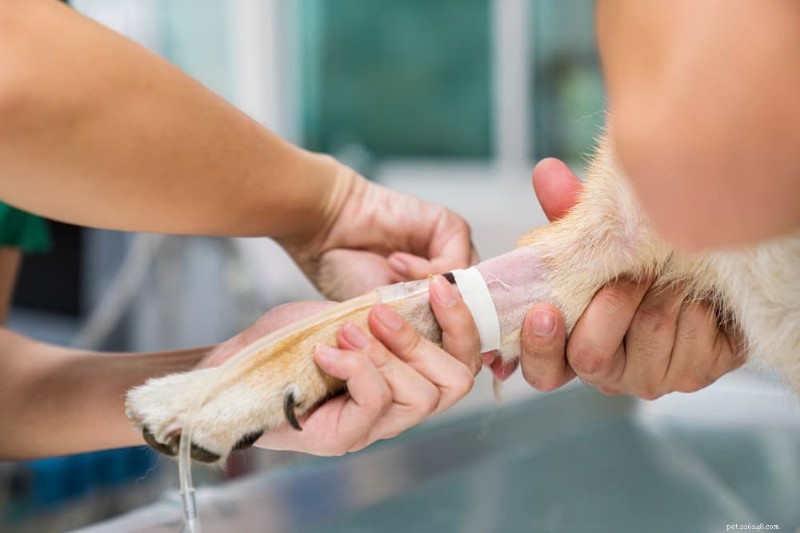
The number and duration of chemotherapy cycles vary widely, from a few months to over a year, depending on the cancer type, stage, and response. Some dogs may complete treatment when remission is achieved; others may require lifelong therapy.
Typical appointments range from 30 minutes to a full day. Certain protocols—such as cytosine arabinoside infusion—necessitate overnight hospitalization. Blood work is performed before each dose to confirm adequate white‑cell counts and to detect any emerging side effects.
Dogs receiving intravenous chemo often have a small area shaved on a limb where a catheter is placed. Proper catheter placement is crucial to prevent extravasation. Sedation may be used for dogs that become anxious or cannot remain still during the infusion.
Cost of Chemotherapy
Prices differ by clinic, protocol, and geographic location. A typical course can range from $3,500 to over $10,000. Factors influencing cost include drug selection, frequency of visits, supportive care, and additional diagnostics.
If affordability is a concern, consider:
- Discussing more cost‑effective protocols with your vet.
- Organizing a fundraiser or crowd‑source campaign.
- Exploring clinical trials that may offer free or reduced‑price treatment.
- Using payment plans such as CareCredit.
Many pet‑insurance plans cover oncology services, so check your policy. Purchasing insurance early in a dog’s life can help offset future veterinary expenses.
Common Side Effects
Most dogs tolerate chemotherapy well, but side effects can arise, especially in those with pre‑existing gastrointestinal, renal, or hepatic disease. Common adverse events include:
- Gastrointestinal upset—vomiting, diarrhea, nausea, loss of appetite.
- Myelosuppression—low white‑cell counts leading to increased infection risk.
- Extravasation—tissue damage if a drug leaks from the vein (notably with doxorubicin).
- Organ‑specific toxicity—cardiotoxicity with doxorubicin, hemorrhagic cystitis with cyclophosphamide.
- Hormonal effects—prednisone can increase thirst, urination, appetite, and may cause muscle wasting.
- Hair loss—primarily in curly or wire‑haired breeds; whisker or eyelash loss can also occur.
Veterinarians monitor blood counts and physical signs closely; they will adjust dosing or add supportive medications as needed. Contact your vet promptly if you notice any concerning changes.
Alternative Treatments
Depending on the cancer type and stage, other therapies may be appropriate:
- Surgery—best for isolated, operable tumors like mast cell tumors.
- Radiation therapy—used when surgery is incomplete or infeasible; requires full sedation and is available at few centers.
- Immunotherapy—growing field that harnesses the dog’s immune system; examples include Oncept for melanoma and investigational protocols for osteosarcoma, hemangiosarcoma, and transitional cell carcinoma.
Key Considerations Before Starting Chemotherapy
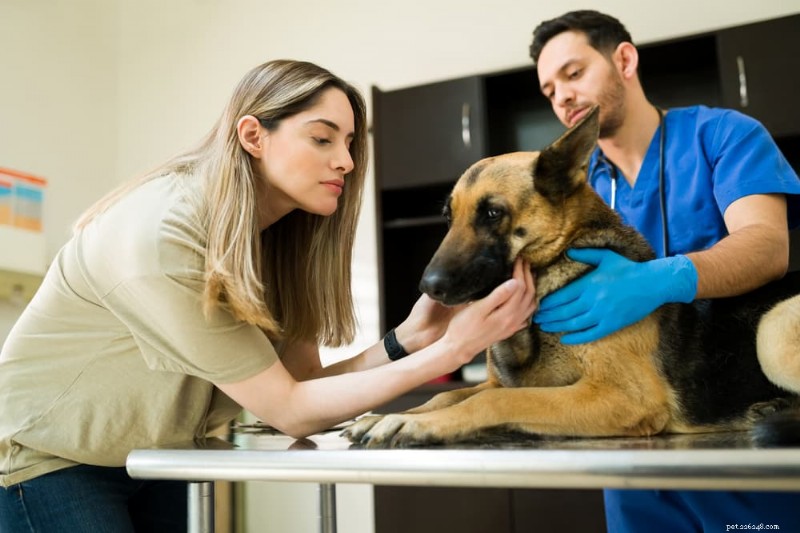
Prior to initiating therapy, schedule a thorough discussion with your primary vet and, ideally, a veterinary oncologist. Ask questions such as:
- Are there other health conditions that could complicate treatment?
- What is the expected response rate for this protocol?
- How much life extension can we anticipate?
- What is the likelihood of remission or relapse?
- What are the total costs, and how will they impact our finances?
Consider your dog’s temperament—an anxious or aggressive animal may need extra sedation or behavioral support, which can add to the expense. Emotional support for you and your family is also vital; support groups, grief counseling, or a therapist can help navigate the stress of a cancer diagnosis.
Is Chemotherapy Worth It?
The value of chemotherapy depends on the individual dog, the type and stage of cancer, and the family’s resources. In some cases, chemotherapy can extend life by more than a year with minimal impact on quality of life. In others, it may only add a few weeks or months. Regardless, the goal in canine oncology is to maximize comfort and longevity while minimizing suffering.
If financial or logistical barriers are significant, discuss alternative approaches with your vet. The most important outcome is to choose a treatment plan that preserves the bond between you and your dog while honoring their well‑being.
- Pet Behavior
- Pet Breeds
- Pet Names
- Pet Adoption
- Pet Training
- Pet Information
- Pet Health
- Adorable Pets
- Dogs
- What Triggers Separation Anxiety in Dogs and Cats?
- Ball Pythons: The Ideal Beginner Pet Snake
- Golden Retrievers: Average Lifespan & Key Health Facts
- Musk Lorikeet: A Charming, Playful Companion for Your Home
- 8 Clear Signs Your Pet Turtle Has Passed Away
- Quick Guide: Crafting and Using an Emergency Dog Muzzle for First Aid
- Understanding Why Maltese Dogs Bite: Causes, Prevention, and Training Tips