

Dog Euthanasia: Compassionate End‑of‑Life Care & Preparation Guide
The practice of euthanasia dates back to ancient Egypt, where it was believed to reunite beloved pets with their owners in the afterlife. Today, it is a humane choice to end an animal’s suffering when quality of life can no longer be maintained. Since the 1930s, veterinarians have used pentobarbital—now the gold standard for pet euthanasia—ensuring a quick, painless transition.
Choosing to end a dog’s life is emotionally challenging, especially for first‑time pet owners. This guide offers a clear, evidence‑based overview to help you navigate the decision, the process, and the support that follows.
What Is Euthanasia?
Euthanasia is the lawful, humane procedure that ends an animal’s suffering when all other options have been exhausted. It is reserved for dogs that are terminally ill or whose quality of life has irreversibly declined.
“The most important thing is that you know you are doing the best thing for your pet. Your pet trusts you and knows you love them and everything you do is because you care about them,” says Dr. Gabrielle Fadl, Director of Primary Care at Bond Vet in New York City.
Only licensed veterinarians and veterinary technicians can perform euthanasia, with a few state exceptions for law‑enforcement officers in emergencies.
Dog Euthanasia Drugs
Veterinarians combine several medications to guarantee a calm, painless passing. In addition to pentobarbital, the regimen may include sedatives, analgesics, and anti‑seizure drugs if the dog is seizure‑prone, explains Dr. Elke Rudloff, Emergency & Critical Care Specialist at BluePearl Pet Hospice in Milwaukee.
Dr. Rudloff notes that medications can be administered intravenously, intramuscularly, subcutaneously, or intraperitoneally, depending on the situation.
Propofol is a commonly used sedative that renders the dog unconscious almost immediately. “Giving propofol at the start of the procedure helps ensure a more peaceful transition,” says Dr. Amber Karwacki, Partner at Heart + Paw in Philadelphia.
For the final step, veterinarians typically inject pentobarbital—brands such as Euthasol and SomnaSol—into a vein, kidney, abdomen, or heart. Dr. Susan Jeffrey, Associate Veterinarian at Odyssey Veterinary Care in Fitchburg, explains, “The drug quickly stops the heart and breathing, ending the animal’s life in a matter of seconds.”
Only veterinarians may prescribe these drugs, though licensed veterinary technicians can administer them under a veterinarian’s supervision, as permitted by state law.
Dog Euthanasia Cost
Deciding to euthanize is hard enough without financial worries. The CareCredit card can spread the cost over time at participating veterinary clinics, offering flexible financing for euthanasia and related services.
In‑clinic euthanasia typically starts at about $50, while in‑home services begin at around $250. Prices vary with travel fees, clinic location, drug choice, and dog size. Cremation, transportation, and memorial items are not included.
Some practices offer bundled packages. For example, the Lap of Love network offers a comprehensive service—including a pre‑procedure consult, euthanasia drugs, the procedure itself, a paw‑print keepsake, and a lock of fur—for $500–$600, depending on the clinic.
Humane societies may provide low‑cost options. The Dane County Humane Society in Wisconsin charges $75 for basic euthanasia and $35 for pets under 3 pounds.
Does pet insurance cover euthanasia costs?
Many pet‑insurance plans cover the euthanasia procedure and may also reimburse cremation, burial, or memorial expenses under certain wellness or comprehensive plans.
Dog Euthanasia Procedure: What to Expect

Once the decision is made, “the veterinarian will walk you through each step to ensure you understand what will happen,” says Dr. Karwacki.
Euthanasia for Dogs: The Process
Veterinarians begin with a sedative—often oral or intramuscular—to calm anxiety. The animal then receives additional sedatives, analgesics, and an anti‑seizure medication if needed. This phase lasts 8–15 minutes, allowing the dog to fall into a deep, painless sleep.
When the dog is fully sedated, the veterinarian administers the euthanasia solution. An IV catheter is often placed for rapid delivery. The dog typically dies within 5–30 seconds if given intravenously, or within 8–15 minutes if injected into an organ.
After death is confirmed by the absence of a heartbeat, the body is collected and prepared for cremation or burial.
Creating a calm environment—whether at home or a quiet clinic room—helps both the dog and family. “You can bring favorite toys, blankets, or treats, and if possible, use a separate entrance to avoid crowds,” says Dr. Fadl.
How Long Does Humane Euthanasia Take?
Factors such as the dog’s age, health, hydration, and organ function influence the duration. Clinics typically schedule 30–60 minutes for the entire process, ensuring it is never rushed.
How Dogs React to the Euthanasia Process
Common physical responses—such as the dog’s eyes remaining open, brief deep breaths, or subtle muscle twitches—are normal reflexes. “They are not in distress; they are simply peacefully sleeping,” explains Dr. Fadl.
Veterinarians place an absorbent pad to manage bladder and bowel relaxation. Rarely, mild salivation or vomiting can occur; seizure‑prone dogs may have a brief seizure. These are normal and not indicative of pain.
Where Do Pet Parents Fit Into the Euthanasia Process?
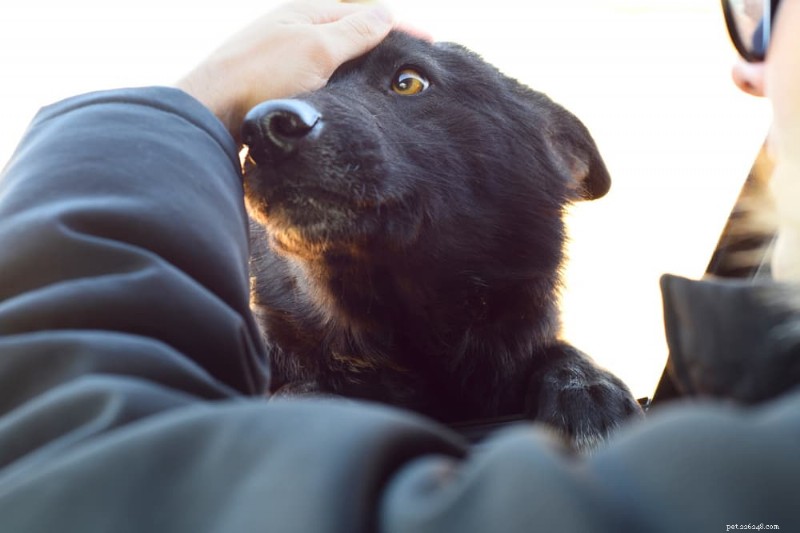
Veterinarians respect each owner’s comfort level. “If you wish to hold or pet your dog, that is encouraged and can provide comfort to both of you,” says Dr. Fadl. “Some owners need space, and that is also acceptable. The veterinary team will ensure the dog is cared for during the procedure.”
Owners can stay as long as needed to say goodbye, as most practices recognize the importance of final goodbyes.
Dog Euthanasia at Home Vs. the Vet Office
Choosing the setting depends on the dog’s health, the family’s needs, and practical considerations.
Dog Euthanasia at the Vet Office
Clinics are ideal when the dog’s condition is rapidly declining or when timing is critical. A neutral setting can also prevent the home from being associated with a sad event.
However, some owners find clinic environments stressful. “Clinics may have a single entry/exit, and you may encounter other patients while the procedure is concluding,” notes Dr. Rudloff. “Noise and interruptions can also be factors.”
Dog Euthanasia at Home
In‑home euthanasia allows the dog to remain in familiar surroundings—perhaps the backyard where it spent most of its life. For large or frail dogs that would be difficult to transport, this can be the most compassionate choice.
While veterinarians may face logistical challenges such as limited space or lighting, they work to make the process as smooth as possible. If your regular vet cannot perform house calls, they can refer you to a veterinarian who does.
Is Euthanasia Painful for Dogs?
The euthanasia drugs induce a deep, pain‑free sleep. The only brief discomfort is from needle sticks or IV catheter placement. Dr. Jeffrey says, “If the dog appears uncomfortable, we can adjust the opioid dose. The needle is usually the most noticeable sensation.”
What to Do With Your Dog’s Body After Euthanasia
Owners have several options for handling their dog’s remains.
Dog Cremation
Commercial cremation involves incinerating the body at high temperatures, leaving only ashes. Communal cremation burns multiple animals together and is not suitable if you want to keep ashes. Private cremation processes one animal at a time, ensuring you receive your dog’s ashes.
Dog Burial Services
Professional pet cemeteries or backyard burials are both viable. Backyard burials are cost‑effective but require compliance with local regulations and consideration of weather or future property changes.
Burial laws vary: Texas requires a minimum depth of 3 feet; Minnesota directs residents to local authorities. In some counties, property ownership is mandatory (e.g., Washoe County, Nevada). Contact your veterinarian, humane society, or local government for guidance.
What to Know About Pet Cemeteries
Pet cemeteries typically offer pick‑up services, memorial products, and varying price points. Find reputable facilities through the International Association of Pet Cemeteries & Crematories or the In‑Home Pet Hospice & Euthanasia Provider Directory.
Dog Euthanasia FAQs
How do you know it’s time?
Quality‑of‑life assessments guide the decision. “Many older or ill pets fluctuate between good and bad days,” says Dr. Fadl. “Consider whether they can still perform the activities they love.”
If uncertainty remains, discuss hospice or palliative care options. BluePearl Pet Hospice offers quality‑of‑life evaluations to help owners decide whether euthanasia is appropriate.
Can a dog wake up after euthanasia?
Euthanasia permanently halts brain function, so the dog cannot wake. In rare cases, an insufficient dose may allow brief involuntary movements, but these are not signs of consciousness. Dr. Rudloff emphasizes the importance of adequate dosing.
Do dogs know they are being put to sleep?
It is difficult to ascertain a dog’s awareness of the situation. “Some owners report their dogs seem calm or relieved when they are suffering,” notes Dr. Fadl. “We believe the dog’s response reflects their emotional state.”
How long does dog euthanasia take?
From IV placement to the animal’s passing, the process takes 1–2 minutes. The overall appointment—including sedation, goodbyes, and paperwork—generally lasts 30–60 minutes.
Grieving the Loss of a Dog After Euthanasia
Grief is a natural response. “Everyone processes loss differently,” says Dr. Karwacki. “Take the time you need to mourn.”
Memorialize Your Dog’s Life
Celebrating your dog’s life can aid closure. Ideas include framing photos, creating a paw‑print clay keepsake, wearing ashes in a necklace, or hosting a memorial service.
Dr. Rudloff recommends writing about the dog, gathering friends for a celebratory gathering, or performing comforting rituals. Once you’re ready, consider supporting your local humane society through volunteering or donations.
Support and Resources for Grieving the Loss of a Dog After Euthanasia
Many veterinarians provide grief resources, including veterinary social workers who assist with anticipatory grief, conversations with children, and coping strategies.
Books, online support groups, and local communities can also help. Check with your vet or humane society for recommendations. Some organizations offer virtual groups, such as the Pet Loss Research Center.
- BluePearl Pet Hospice offers a Facebook support group.
- Association for Pet Loss & Bereavement provides a directory of free support groups.
- Lap of Love offers grief classes, individual consultations, and a free support group.
- Dove Lewis Emergency Animal Hospital in Oregon provides memorial art workshops and online grief support.
- Pet Behavior
- Pet Breeds
- Pet Names
- Pet Adoption
- Pet Training
- Pet Information
- Pet Health
- Adorable Pets
- Dogs
- Master Rally Obedience: Training Your Dog for Success
- 5 Proven Techniques to Pet Your Dog for a Stronger Bond
- Teaching Your Dog the ‘You Choose’ Cue: Empowering Choices for Better Behavior
- Painted Conure: Stunning Colorful Parakeet & Its Irresistible Charm
- Ozone Therapy for Cats: Vet-Approved Benefits & Safety Guide
- Maltese Dog Breed: Comprehensive Guide & Facts
- Top 5 Cat-Proof Headphones of 2022 – Durable, Comfortable Picks for Pet Owners