

Comprehensive Dog Arthritis Treatment Plan: Steps, Costs, and What to Expect
All featured products are selected by the GreatPetCare editorial team and do not represent direct endorsements by the author or reviewer.
When a dog is diagnosed with osteoarthritis (OA), it can feel overwhelming to think there’s little you can do. The reality is that modern veterinary medicine offers a wide array of effective treatments that can reduce pain, improve mobility, and elevate your pet’s quality of life.
This guide outlines a step‑by‑step treatment plan, the expected outcomes, and practical tips to help you manage your dog’s OA with confidence.
Dog Arthritis Treatment Plan: What to Expect
After an OA diagnosis, most veterinarians recommend a multimodal treatment strategy—a combination of therapies that work together to produce the best results. Historically, pain medication alone was common, but today we know that pairing drugs with joint supplements, weight management, appropriate exercise, a supportive bed, and complementary therapies delivers superior relief.
Key principles for managing canine OA include:
- Early, proactive intervention
- Maximizing overall quality of life
- Minimizing pain and flare‑ups
- Encouraging regular, low‑impact movement
Every dog reacts differently, so a flexible, trial‑and‑error approach is often necessary. Keep a detailed journal of your pet’s responses and maintain close communication with a trusted veterinarian.
Managing the Cost of Dog Arthritis Care
Costs vary by dog size and the specific therapies chosen. Larger dogs typically incur higher medication expenses. Below is a general estimate of common treatment costs:
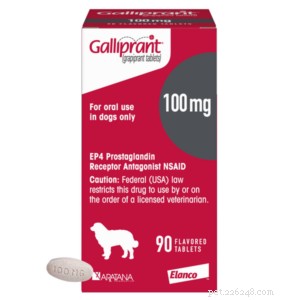
- NSAID pain medication: $30–$100/month (30‑count bottle of Galliprant can range from $50 to $120 depending on dosage)
- Joint supplements: $15–$50/month
- Annual blood work for chronic medication monitoring: $200–$400
- Canine rehabilitation therapy: $200–$400/month
- Photobiomodulation or piezoelectric therapy: $60–$100/month
- Therapeutic or weight‑loss diets: $40–$90/month
- Orthopedic mattress: $300–$400
- Surgical interventions (e.g., hip replacement): $5,000+ per hip
Medications for Dog Arthritis
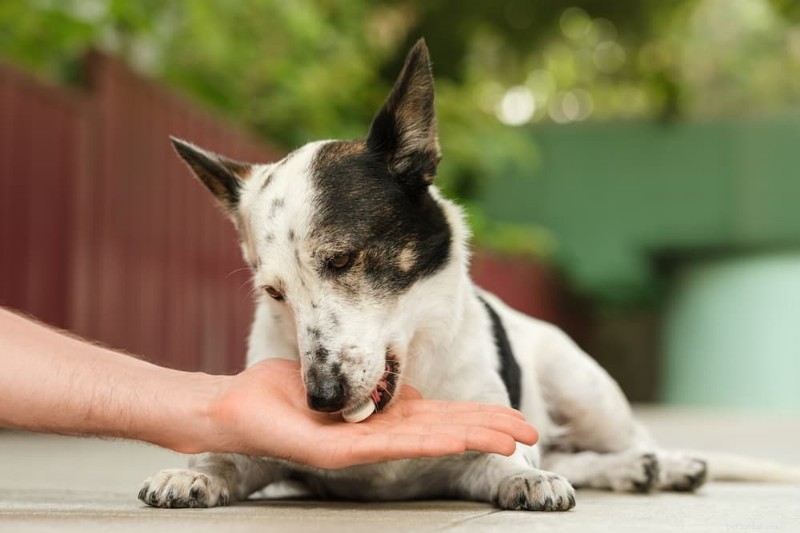
NSAIDs remain the cornerstone of OA pain management. Common options include:
- Grapiprant (Galliprant)
- Carprofen (Rimadyl)
- Meloxicam (Meloxidyl)
- Etodolac
- Deracoxib
- Tepoxalin
These drugs are generally well tolerated and can be used long term, but veterinarians will typically request annual blood work to monitor liver and kidney function. Galliprant is unique in that it targets the prostaglandin EP4 receptor, reducing inflammation while sparing organ health [1, 2].
Additional analgesics that may be prescribed include amantadine, amitriptyline, gabapentin, and tramadol. These medications complement NSAIDs by targeting different pain pathways and can be formulated into palatable chews.
In 2023, Librela (bedinvetmab) was approved as a once‑monthly injectable antibody that blocks nerve growth factor (NGF), a key mediator of inflammation. It offers an alternative for dogs that cannot tolerate NSAIDs. (See FDA letter for adverse events.)
In certain cases, surgical fusion, periodic joint injections, stem cell therapy, or platelet‑rich plasma may provide additional relief. Your veterinarian will tailor the approach to your dog’s specific needs.
Lifestyle Tips for Managing Arthritis Pain
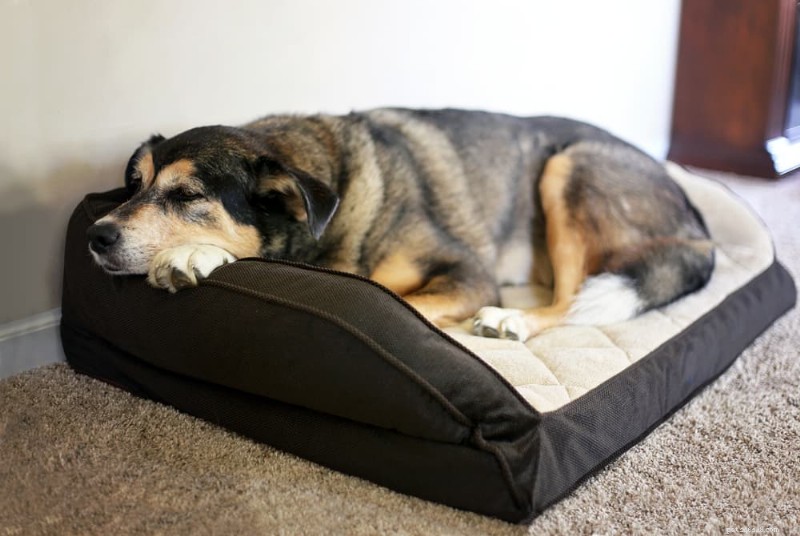
Beyond medication, small environmental adjustments can dramatically reduce discomfort:
- Ramps for furniture and car entry
- Non‑slip rugs on hard floors
- Clinically proven orthopedic bedding
- Regular nail trimming to prevent paw pain
- Gentle stretching of tight muscles
- Heat or cold packs for sore joints
- Complementary therapies such as massage, photobiomodulation, piezoelectric therapy, and acupuncture
Dietary Considerations for Arthritic Dogs
Obesity is the leading risk factor for OA. Excess weight amplifies joint stress, leading to a vicious cycle of pain, inactivity, and further weight gain. Weight loss can reverse many symptoms, sometimes eliminating the need for additional medication.
To support a healthy weight, consider foods enriched with L‑carnitine and consult your vet for a personalized weight‑loss plan. High‑quality therapeutic diets that improve mobility and reduce inflammation are also beneficial.
While many joint supplements are available, only a handful have robust scientific backing. Omega‑3 fatty acids from fish oil (≈100 mg/kg of EPA+DHA) consistently reduce pain in OA dogs. Other clinically supported nutraceuticals include:
- Polysulfated glycosaminoglycans
- Avocado soybean unsaponifiables (ASUs)
- Glucosamine hydrochloride
- Chondroitin sulfate
- Boswellia serrata
- CBD oil
Because supplements take weeks to take effect and are not FDA regulated, monitor your dog’s pain closely. If you plan to taper pain medication, do so slowly under veterinary supervision.
Exercise Plan for Arthritic Dogs
Regular movement strengthens muscles and enhances joint flexibility—think of it as “motion is lotion.” A veterinary rehabilitation specialist can guide you in safe, effective exercises tailored to your dog’s condition.
Effective routines should be:
- Daily and consistent
- Targeting front and rear limbs, plus core strength
- Low‑impact activities such as walking or swimming
- Enjoyable for the dog
Sand play can provide a gentle, natural resistance training surface. For more ideas, watch the video linked below.
Implementing Your Treatment Plan: Tips and Advice
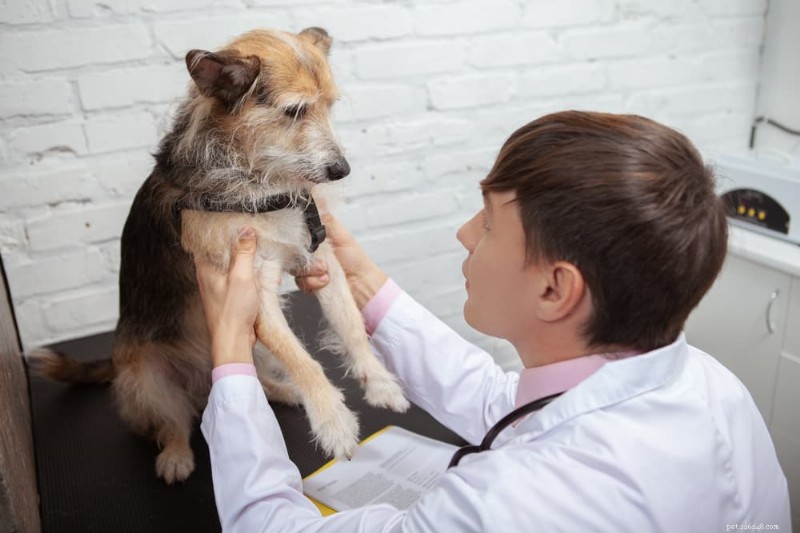
Once therapy begins, you should notice immediate improvements in mobility, mood, and sleep with pain medication. If progress is not evident within a week or two, contact your vet promptly.
Longer‑term goals—strength, endurance, weight management, and joint health—require patience and consistency. Pair pain control with a balanced diet, weight monitoring, orthopedic bedding, and regular exercise for the best outcomes.
References
- Rausch‑Derra LC, Huebner M, Rhodes L. Evaluation of the safety of long‑term, daily oral administration of grapiprant, a novel drug for treatment of osteoarthritic pain and inflammation, in healthy dogs. Am J Vet Res. 2015;76(10):853‑9.
- Kirkby Shaw K, Rausch‑Derra LC, Rhodes L. Grapiprant: an EP4 prostaglandin receptor antagonist and novel therapy for pain and inflammation. Vet Med Sci. 2016;2(1):3‑9.
- Pet Behavior
- Pet Breeds
- Pet Names
- Pet Adoption
- Pet Training
- Pet Information
- Pet Health
- Adorable Pets
- Dogs
- Transform Grooming Sessions into Positive Experiences for Your Dog
- How to Spot and Prevent Cat Dehydration: Key Signs and Solutions
- Parvovirus Myths vs. Facts: Protect Your Dog Today
- Choosing the Ideal Cat Litter: A Guide Tailored to Your Lifestyle
- Understanding Canine Lymphoma: Prognosis, Treatment, and Quality of Life
- DIY Cat Repellent: Easy Homemade Solutions to Keep Cats Out
- Essential Dog Pool Safety: Protect Your Pup This Summer