

Pododermatitis in Dogs: Recognizing, Diagnosing, and Treating Paw Inflammation
Every dog licks its paws from time to time, but when the habit turns excessive it can signal a deeper problem.
If you notice your dog obsessively licking, chewing, or rubbing a paw that appears swollen or has discolored fur, you may be witnessing pododermatitis—inflammation of the paw skin that can affect one, several, or all four paws.
Pododermatitis is a symptom, not a standalone diagnosis. It reflects an underlying issue such as infection, allergy, trauma, or systemic disease and can strike any breed, age, or gender.
What Causes Pododermatitis?
Veterinarians routinely identify a combination of factors as the root of pododermatitis. The most common culprits include:
Infections
- Bacterial infections are the leading cause, often triggered by self‑trauma from licking.
- Fungal (yeast) infections can arise as a primary or secondary problem.
- Parasitic infestations such as Demodex mange and certain viral infections also contribute.
Allergies
Allergic reactions—whether inhalant, contact, or food-related—frequently manifest as paw inflammation.
Trauma or Insect Bites
A minor wound or insect bite can ignite a cycle of discomfort, licking, and worsening inflammation. Even a small foreign body lodged in the paw may lead to chronic pododermatitis.
Other Rare Causes
Autoimmune disease, hormonal imbalances, nutritional deficiencies, cancerous growths, interdigital cysts, and arthritis can all precipitate this condition.
Key Symptoms to Watch For
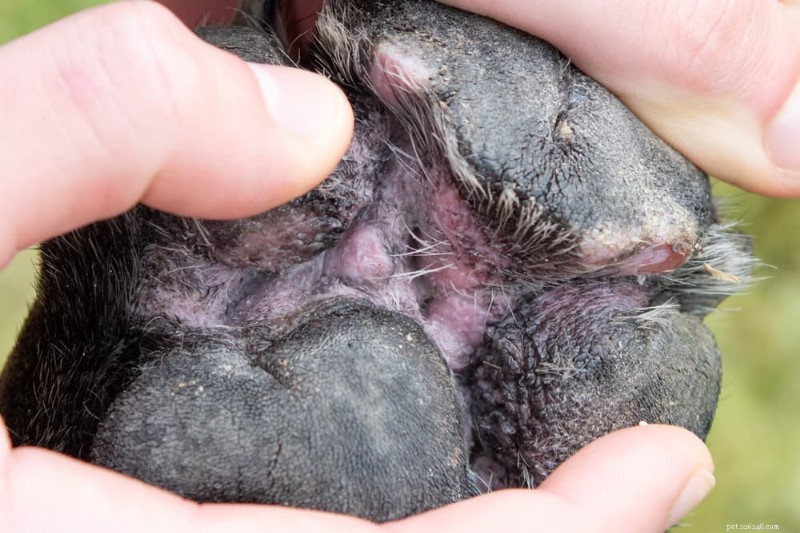
Symptoms range from mild to severe and can appear suddenly or develop gradually. Common signs include:
- Swollen, red paws
- Hair loss or fur discoloration (often due to saliva staining)
- Persistent licking or itching
- Scabs, blisters, or pustules on the paw surface
- Redness between toes
- Thickened paw pads
- Limping from paw discomfort
Seasonal flare‑ups, particularly in the fall, often indicate an allergic component.
How a Vet Diagnoses Pododermatitis
A thorough physical exam is the first step. Depending on findings, the following diagnostic tools may be employed:
- Skin cytology—a surface swab examined microscopically to detect bacteria or yeast.
- Skin scrape—deeper sampling to identify Demodex mites.
- Bacterial culture & sensitivity—isolation of bacteria and determination of the most effective antibiotics.
- Skin biopsy—under sedation or anesthesia, a tissue sample is analyzed for definitive diagnosis.
- Radiographs—used selectively to rule out tumors, arthritis, or other painful causes of lameness.
Investing in reputable pet health insurance can help manage the costs of these essential tests.
Treatment Options
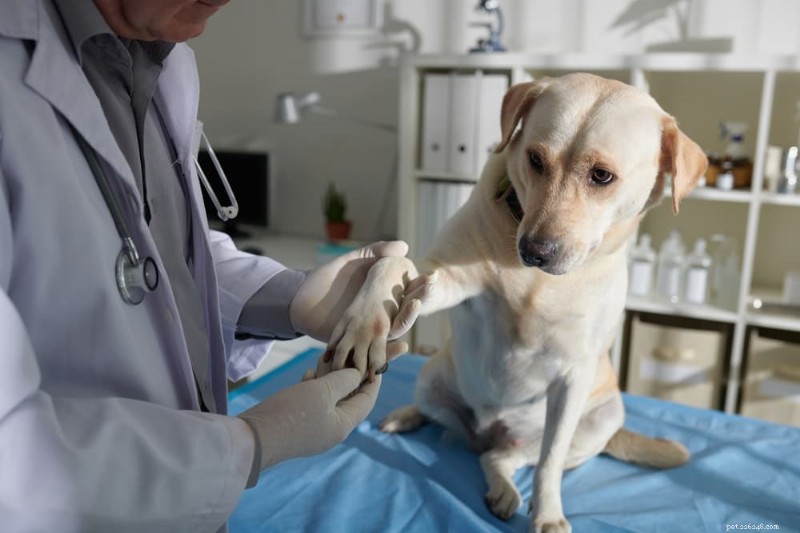
Effective therapy hinges on addressing the underlying cause. Common approaches include:
- Oral or topical antibiotics for bacterial infections.
- Oral or topical antifungals for yeast overgrowth.
- Anti‑parasite medications for mite infestations.
- Allergy‑specific treatments—dietary changes, antihistamines, or corticosteroids.
- Surgical removal of tumors or chronic lesions when necessary.
At home, maintain clean, dry paws. After walks, wipe feet to remove pollen and other allergens. An Elizabethan collar or alternative cone can prevent further licking until the veterinarian prescribes definitive medication.
Prevention Strategies
While not all cases can be prevented, managing predisposing factors—especially allergies—can reduce recurrence. Work with your veterinarian to develop a tailored plan that includes regular monitoring, environmental control, and preventive care.
When to Seek Veterinary Care
Any signs of swelling, redness, or limping warrant prompt veterinary attention. Early intervention improves outcomes and minimizes discomfort for your dog.
- Pet Behavior
- Pet Breeds
- Pet Names
- Pet Adoption
- Pet Training
- Pet Information
- Pet Health
- Adorable Pets
- Dogs
- What Emotions Do Dogs Truly Experience? A Scientific Overview
- Miniature Pinscher Breed Guide: Traits, Care, and Lifestyle
- Understanding Why Cats Trill: A Guide to Your Cat’s Vocalization
- Comprehensive Guide to Keeping Your Pet Healthy and Happy
- Understanding and Managing Your Dog's Reverse Sneeze: Causes, Symptoms, and Relief
- Can Dogs Detect Pregnancy? Exploring How Furry Friends Sense Hormonal Changes
- Is It Safe to Kiss Your Cat? Expert Nicky Trevorrow Weighs In