

Dog Nosebleeds: Causes, Symptoms, and Expert Care Tips
A sudden nosebleed—epistaxis—is distressing for any pet owner, but most cases in dogs are manageable with timely care.
This guide covers what causes nosebleeds in dogs, how to recognize them, and what steps you should take.
Do Dogs Get Nosebleeds?
Absolutely. Dogs of any breed or age can experience epistaxis. While the event itself is common, certain breeds and age groups may see specific triggers.
Bleeding may affect one nostril or both.
Causes of Dog Nosebleeds
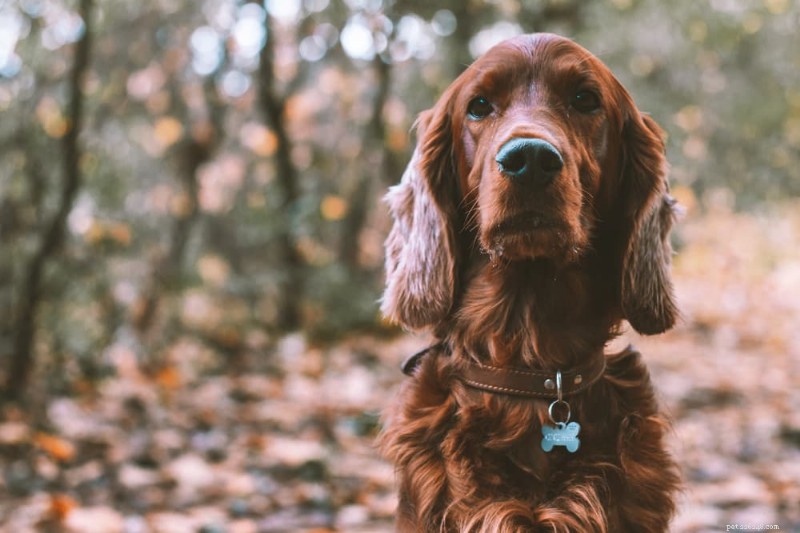
The underlying reasons range from simple injuries to serious systemic conditions.
- Trauma: Trauma is the most frequent cause. It can result from fights, accidental collisions with sharp objects, or high‑speed collisions during play.
- Infections or tumors: Chronic nasal infections and nasal tumors are common culprits. Inflammation from long‑standing infections or tumor growth can erode the delicate mucosa, leading to bleeding.
- Foreign objects: Young dogs that sniff the ground often insert foreign material—grass, sticks, or small debris—into their nasal passages.
- Autoimmune diseases: In older dogs, autoimmune disorders can provoke nasal inflammation and subsequent bleeding.
- Coagulation disorders: Abnormal clotting, such as Von Willebrand’s disease—a genetic disorder seen in breeds like Doberman and German Shepherd—can cause persistent bilateral bleeding.
Other causes of nosebleeds in dogs include:
- Liver failure
- Dental disease
- High blood pressure
- Ingestion of rodenticides
- Fungal infection (Aspergillosis)
- Medications (e.g., chemotherapy)
- Ingestion of human nonsteroidal anti‑inflammatory drugs
- Tick‑borne disease (Rocky Mountain Spotted Fever, Ehrlichiosis)
Other Dog Nosebleed Symptoms to Watch For

A clear sign is blood streaming from the nostrils, but accompanying signs vary with the underlying cause.
- If your dog has a foreign object lodged in the nose, you’ll notice pawing at the nose or repeated attempts to expel it, often accompanied by bloody sneezes.
- Dental disease may manifest as excessive drooling, reluctance to chew, or outright refusal to eat.
- Traumatic injury is usually evident through bruises, scratches, or swelling around the muzzle.
- Dogs that swallow significant amounts of blood may vomit or have bloody stools; these are usually a direct result of the epistaxis rather than a gastrointestinal issue.
- Rodenticide toxicity is a medical emergency. Besides bleeding, you might see labored breathing, pale gums, hematochezia, or abdominal distension.
- If your dog displays systemic signs—lethargy, loss of appetite, or difficulty breathing—seek veterinary care immediately.
Diagnosing the Cause of a Dog Nosebleed
While the bleed itself is obvious, determining its root cause often requires a detailed history and diagnostic work‑up.
Questions your veterinarian may ask include:
- Does your dog cough up blood?
- Has your dog ingested rodenticide or other toxins?
- Does your dog engage in rough play with other animals?
- Do you notice any foreign material stuck in the nose?
- Is the bleeding unilateral or bilateral?
- Has this dog had prior nosebleeds?
- What medications is your dog taking, and could there have been accidental ingestion?
- Have you observed black or tarry stools, coffee‑ground vomit, or unexplained bruising?
During the physical exam, the veterinarian will look for:
- Color of gums
- Eye protrusion
- Nasal swelling
- Facial asymmetry
- Prominence of the third eyelid
- Bruising or discoloration of the skin
- Foreign body in the nose
- Dental disease indicators (bad breath, inflamed gums)
Based on history and exam findings, the vet may order:
- Routine bloodwork
- Urinalysis
- X‑rays
- Coagulation studies
- Fungal cultures
- Blood pressure measurement
- Nasal swab
Some tests, such as oral exams, dental and nasal X‑rays, or tumor biopsies, require anesthesia.
How to Treat a Dog Nosebleed
Treatment depends on the underlying cause. Minor bleeds can often be managed at home with first aid, whereas more serious causes necessitate veterinary care.
For a minor bleed that stops quickly, these first‑aid steps can help:
- Stay calm: Your dog senses your anxiety. Keeping a steady voice and calm demeanor helps lower blood pressure and reduces the bleed.
- Apply an ice pack: Gently place a cold compress over the bridge of the nose to constrict blood vessels. For brachycephalic breeds, leave the nostrils uncovered to keep breathing clear.
- Contact your veterinarian: Once the bleeding has ceased, call your vet for guidance. Do not administer any medication unless directed, and avoid inserting cotton swabs, which can irritate the mucosa.
Seek veterinary attention if:
- The dog sustained an injury or has a foreign object lodged in the nose.
- Breathing becomes labored.
- There are signs of systemic illness or persistent bleeding.
How to Prevent Nosebleeds in Dogs
While genetic disorders and cancers cannot be avoided, many nosebleeds result from preventable environmental hazards. Reducing these risks can lower the likelihood of epistaxis.
- Use corner cushions on furniture edges.
- Store rodenticide securely and out of reach.
- Keep all human medications in a locked cabinet, preferably high up.
- Clear walking paths of loose grass, sticks, or debris that could lodge in the nose.
In short, stay calm, apply basic first aid, watch for additional symptoms, and consult a veterinarian promptly if the situation worsens.
- Pet Behavior
- Pet Breeds
- Pet Names
- Pet Adoption
- Pet Training
- Pet Information
- Pet Health
- Adorable Pets
- Dogs
- Understanding Why Your Dog Raises Its Front Leg: Causes and Solutions
- 6 Compelling Reasons to Choose Two Dogs Over One
- Cushing’s Disease in Dogs: Recognizing Symptoms, Uncovering Causes, and Effective Treatment Options
- How to Choose a Trusted Reptile Breeder: Expert Tips & Must‑Ask Questions
- Top 5 Small Pet Snakes for New Owners
- Can We Translate Animal Speech into English? Exploring the Reality
- Wild Turkeys: Swimming Skills, Speed, and Surprising Traits