

Dog Blood Pressure: What Is Normal, How to Monitor, and What It Means for Your Pet's Health
We routinely check our own blood pressure during doctor visits, but what about our canine companions? Understanding your dog’s blood pressure is essential for early detection of serious health issues.
While vital signs such as body temperature, heart rate, and respiration differ between humans and dogs, the normal blood pressure range is essentially the same. The difference lies in how the measurement is performed.
Understanding Blood Pressure in Dogs
Blood pressure is the force that pushes blood through the vascular system, delivering oxygen and nutrients to every cell. It is determined by cardiac output (how hard and fast the heart pumps) and vascular resistance (how constricted or dilated the blood vessels are). Hormones, fitness, diet, and genetics all influence these factors.
Blood pressure has two components: systolic (the peak pressure during a heartbeat) and diastolic (the lowest pressure between heartbeats). Readings are expressed as a pair of numbers—e.g., 120/80—where the top number is systolic and the bottom is diastolic.
Abnormal blood pressure can signal underlying disease and may pose immediate danger to your dog’s health.
The accepted normal range for dogs is a systolic pressure of 110–160 mmHg and a diastolic pressure of 60–90 mmHg. A systolic value above 160 mmHg indicates hypertension, while a reading below 90 mmHg indicates hypotension. These thresholds apply across all breeds and sizes; puppies may naturally have slightly lower readings.
Because veterinary visits can be stressful, a veterinarian may wait until the systolic pressure is >160 or 180 mmHg before diagnosing hypertension.
What Causes High Blood Pressure in Dogs?
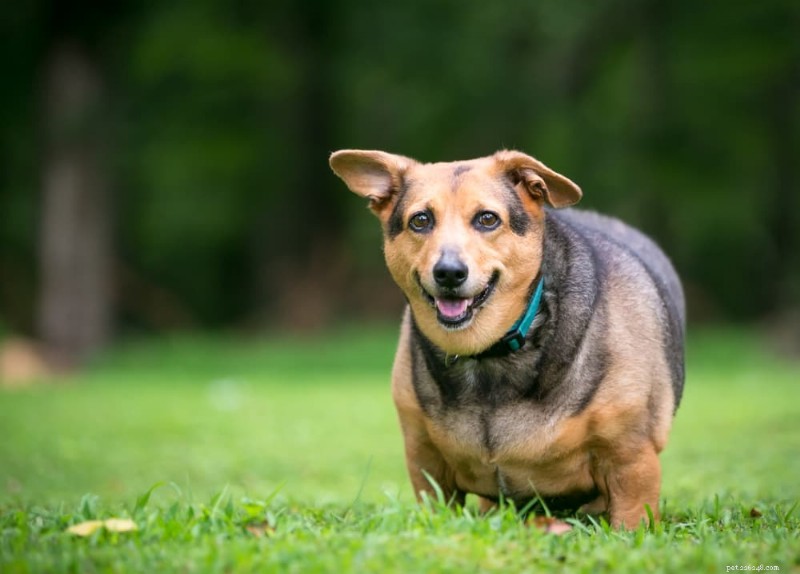
Hypertension in dogs is almost always secondary to another condition, although some genetic predispositions exist. Common causes include:
- Obesity
- Cushing’s disease
- Heart disease
- Chronic kidney disease
- Neoplasia—certain tumors secrete hormones that raise blood pressure, while others cause hypertension by mass effect.
- Severe trauma or injury (e.g., dog fights, snake bites) can produce transient hypertension; effective pain control usually restores normal values.
Symptoms of High Blood Pressure in Dogs
Hypertension’s signs often overlap with those of the primary disease and develop gradually, making them easy to miss. Typical indicators include:
- Reduced energy and exercise intolerance
- Eye pain, visual disturbances, or sudden blindness
- Behavioral changes
- Increased thirst and urination
- Seizures or collapse
- Epistaxis (nose bleeding)
During a physical exam, a vet may also detect a new or worsened heart murmur or ocular abnormalities. Bloodwork often reveals kidney dysfunction, electrolyte imbalances, or inflammation.
Consequences of Untreated High Blood Pressure
- Glaucoma and irreversible blindness
- Brain injury and seizures
- Kidney damage
- Heart disease and eventual heart failure
- Stroke
Treatment for Hypertension in Dogs
Managing canine hypertension requires a two‑pronged approach: lowering blood pressure with oral medications and addressing the underlying cause. Treatment plans may include:
- Prescription antihypertensives (e.g., ACE inhibitors, diuretics)
- Dietary changes such as low‑sodium or specialized renal diets
- Weight‑management protocols for overweight dogs
- Structured, gradual exercise programs
What Causes Low Blood Pressure in Dogs?

Hypotension is a medical emergency. Causes include:
- Severe blood loss
- Abnormal vascular tone
- Low protein levels
- Sepsis or systemic infection
- Heart failure or severe neurological disease
Chronic illnesses such as Addison’s disease can trigger episodic hypotension. In heart failure, the heart’s contractile strength is insufficient to maintain adequate perfusion.
Symptoms of Low Blood Pressure in Dogs
- Lethargy and weakness
- Collapse or fainting
- Sudden death in severe cases
Treatment for Hypotension in Dogs
Immediate in‑hospital intervention is mandatory. Common emergency measures include:
- Intravenous fluid therapy
- Blood transfusions
- Rapid‑acting injectable drugs
Once stabilized, care focuses on treating the primary disease or injury responsible for the drop in pressure.
How to Take a Dog’s Blood Pressure
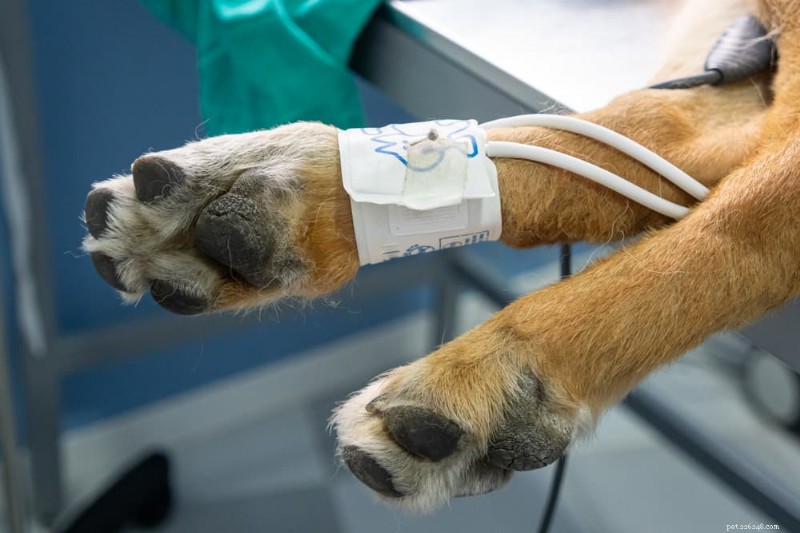
The most common veterinary method is indirect measurement using a Doppler or oscillometric cuff. The Doppler technique—akin to a human clinician’s cuff and stethoscope—offers higher accuracy and is preferred by most veterinarians.
While a home measurement is technically possible, it is generally not recommended. Home readings are subject to stress, movement, and device inaccuracies. Monitoring for visible signs—lethargy, excessive panting, or behavioral changes—is a safer first step.
If your vet suspects abnormal pressure, they will schedule a repeat clinic visit to ensure consistency and reduce stress‑related false readings.
A healthy, asymptomatic dog will almost always have blood pressure within the normal range.
It is important to remember that blood pressure is one of many indicators a veterinarian uses to assess overall health. Symptom overlap with other diseases is common.
How to Manage a Dog’s Blood Pressure
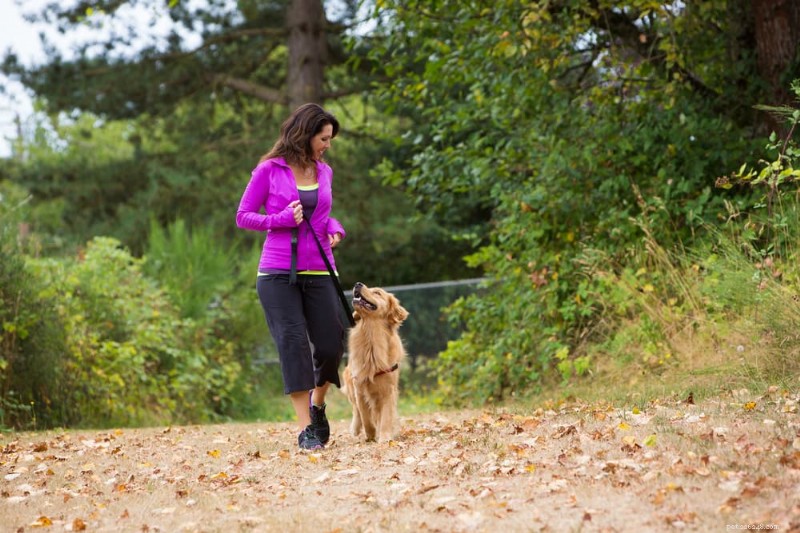
Maintaining your dog’s overall health is the cornerstone of blood‑pressure management. Key strategies include:
- Keeping a healthy weight
- Providing regular, appropriate exercise
- Feeding a balanced, breed‑specific diet
- Establishing routine veterinary check‑ups for early detection of disease
If hypertension is diagnosed, your veterinarian will tailor a plan that may involve oral medications, dietary adjustments, and a structured exercise routine.
- Pet Behavior
- Pet Breeds
- Pet Names
- Pet Adoption
- Pet Training
- Pet Information
- Pet Health
- Adorable Pets
- Dogs
- House Hunters Reviewed: Why I Can’t Stand the Show
- How Dog Training Teaches Kids Life Skills
- When to Spay or Neuter Your Maltese: Expert Veterinary Timing Guide
- Boost Your Cat’s Happiness: 5 Proven Steps for a Healthier, Happier Life
- Do Dogs Detect Sound from Computer Speakers? What to Know
- How to Choose the Perfect Name for Your New Dog or Puppy
- Rose Hair Tarantulas: Friendly, Low-Maintenance Pets for Beginners