

Preventing Hot Surface Burns on Your Dog’s Paws: Expert Tips
Summer brings sunshine, longer walks, and more outdoor fun for you and your dog. But it also introduces a silent threat: hot pavement and other surfaces that can burn a dog’s paw pads. While a dog’s paw pads are thick and tough, they are not insulated footwear. When exposed to high temperatures for extended periods, they can suffer painful burns that may require veterinary care.
How Paw Pad Burns Occur
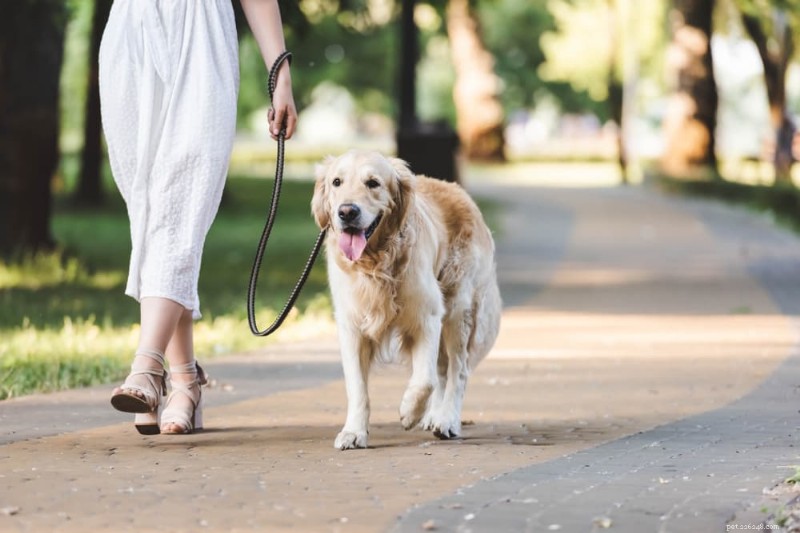
Paw pads are composed of specialized keratinized skin that cushions each step and provides traction. The outermost layer is exposed to heat or chemicals, and if the temperature exceeds the tolerance of the skin cells, it can cause a burn that progresses from the surface inward. The most common culprit in summer is walking on concrete or asphalt, which can reach 125°F (52°C) under direct sun even when the ambient air temperature is only 77°F (25°C). Other scenarios include tennis courts, deck boards, pool edges, and even accidental contact with campfire embers or chemical spills.
Recognizing Burned Paw Pads
Dogs often hide discomfort, so owners may not notice until the pain becomes undeniable. Look for:
- Limping or reluctance to walk
- Abnormal paw positioning
- Excessive licking or chewing of the paws
- Whining, yelping, or vocalizing pain
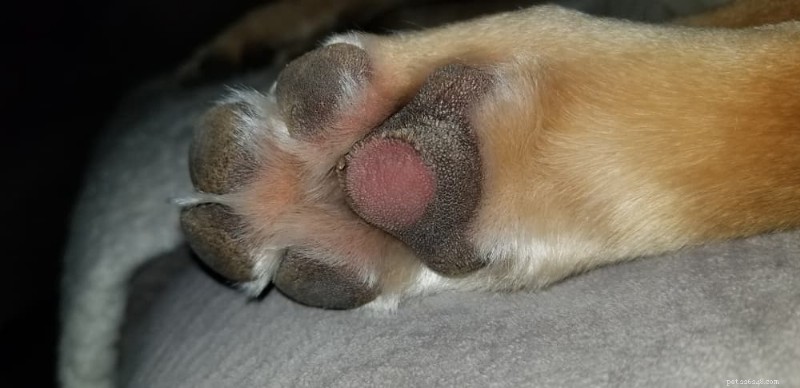
A burned pad typically appears as a bright red, ulcerated spot or a fluid-filled blister that may later break open. In some cases, the pad looks simply reddened at first and then the skin sloughs off days later, leaving a painful ulcer.
Treating Minor Paw Pad Burns at Home
Immediate cooling is key. If you notice a burn after a hot day, rinse the paws with cool tap water or let your dog sit in a shallow cool bath for 10–15 minutes. This reduces heat injury and eases discomfort.
After cooling, determine the burn’s severity. First‑degree burns are red and irritated with an intact skin surface; second‑degree burns involve blisters or open ulcers and typically require veterinary attention.
For mild burns, follow these steps:
Step 1: Clean gently with a mild, fragrance‑free antibacterial soap and lukewarm water. Avoid hydrogen peroxide, vinegar, or harsh cleansers that can aggravate the tissue.
Step 2: Apply a thin layer of a triple‑antibiotic ointment (e.g., Neosporin®) to reduce infection risk and soothe the skin.
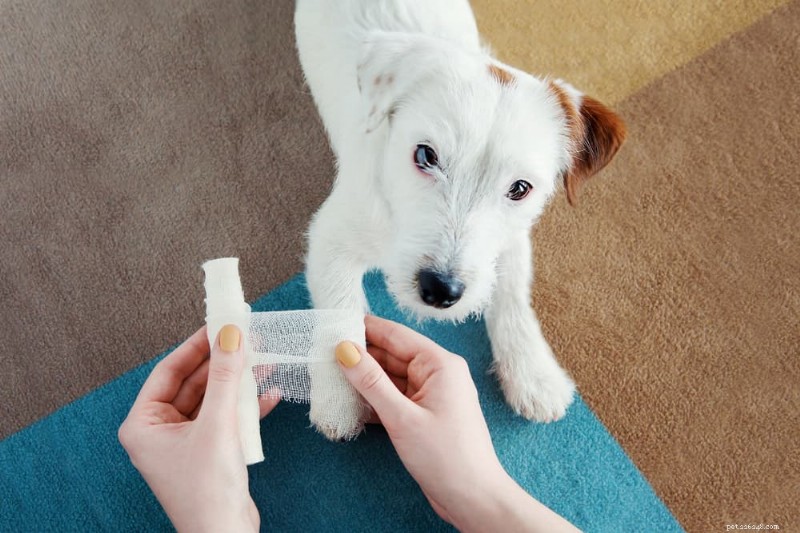
Step 3: Wrap the paw with a non‑elastic bandage or use a sterile gauze pad to discourage licking. Ensure the wrap is snug enough to stay in place but not tight enough to cut off circulation. Change the dressing daily and reapply ointment.
If the dog licks or bites the bandage, place an Elizabethan collar until the wound heals. Minor burns usually heal within 7–10 days with rest and limited activity.
When to Seek Veterinary Care
Seek immediate veterinary help if the burn is:
- Ulcerated, oozing, or blistered
- Severe enough to cause lameness or refusal to bear weight
- Accompanied by swelling or signs of infection (e.g., foul odor, excessive heat, or spreading redness)
Veterinarians will typically prescribe pain medication, topical antibiotics, or dressings to promote healing and prevent infection. They may also advise a temporary cone to protect the paw while it heals.
Proactive Prevention: Protecting Your Dog’s Paws
Here are evidence‑based strategies to keep your dog’s paws safe during hot weather:
- Choose shaded routes: Walk on grass, trees, or shaded pathways whenever possible.
- Test surface temperature: Place the palm of your hand on the pavement. If it feels too hot to hold for more than 10 seconds, it’s too hot for your dog’s paws.
- Schedule early or late walks: Morning or evening strolls keep the pavement cooler and reduce heat exposure.
- Avoid dark surfaces: Black asphalt absorbs more heat than lighter materials; opt for light‑colored paths.
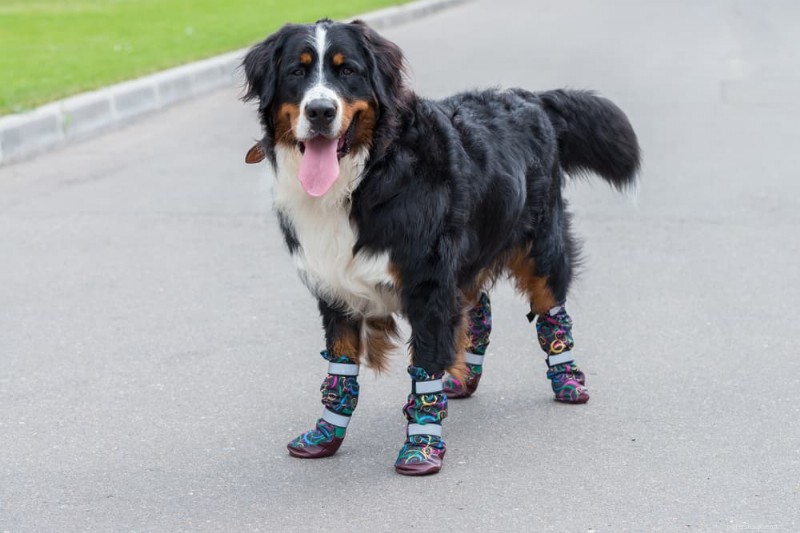
- Use protective gear: Dog booties or shoes shield the pads and provide traction on hot or uneven ground.
- Hydrate and cool down: Offer water frequently and consider cooling mats or a light mist to lower core temperature.
- Opt for water play: Swimming or splash‑pools provide exercise without the risk of burns.
- Maintain healthy pads: Apply a pet‑safe paw balm to keep the pads moisturized and resilient.
By combining these practices with regular paw inspections, you can enjoy safe outdoor adventures with your dog all summer long.
- Pet Behavior
- Pet Breeds
- Pet Names
- Pet Adoption
- Pet Training
- Pet Information
- Pet Health
- Adorable Pets
- Dogs
- Long‑Tailed Grass Lizard: In‑Depth Profile of Behavior, Care, and Health
- How to Make Homemade Cat Toothpaste for Healthy Teeth
- Entlebucher Mountain Dog: Swiss Herding Breed Overview
- Orange Cat’s Spring Shave Turns Him Into a Playful Little Lion
- Essential Books for Caring for Deaf Dogs
- Expert Insights: Why Neutering Your Cat Matters – Benefits, Differences, and Ideal Timing
- Leopard Tortoise: Care, Size, and Long‑Term Bonding