

Dog Eye Stye: Symptoms, Diagnosis, and Effective Treatment Options
Dog owners who have dealt with a stye know the discomfort it brings. While our four‑legged friends may not worry about appearance, a stye can still cause pain, irritation, and potential vision issues.
What Is a Stye?
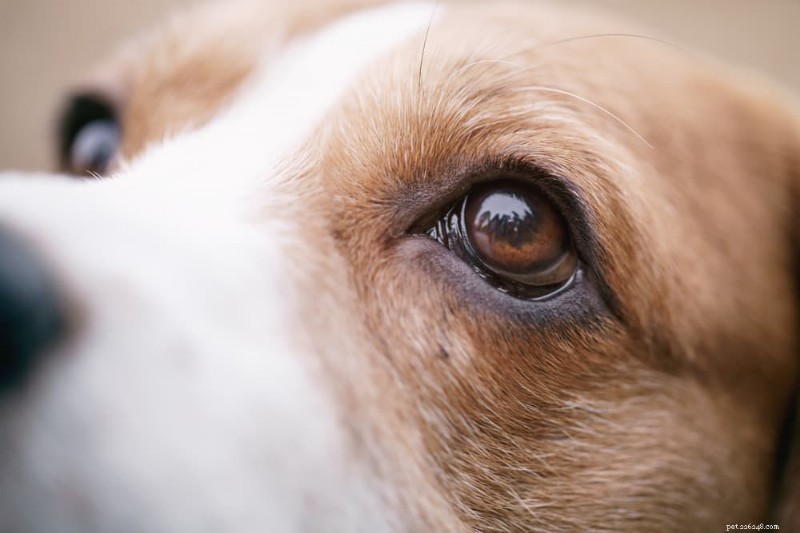
A canine stye, or hordeolum, is a small, red, painful bump that forms along the edge of an eyelid. It results when the eyelid’s oil glands become blocked and infected—much like a pimple in humans.
In dogs, the dense fur around the eyelid can conceal a stye until it enlarges or the animal shows clear signs of discomfort.
How Dogs Get Styes
The most common culprit is the bacterium Staphylococcus aureus, which can quickly cause inflammation and pain. Other risk factors include a weakened immune system, eye trauma, environmental allergies, irritants, or debris that becomes trapped around the eyes.
Styes can appear on either the upper or lower eyelid and can affect any breed or age group.
Diagnosing a Dog Eye Stye
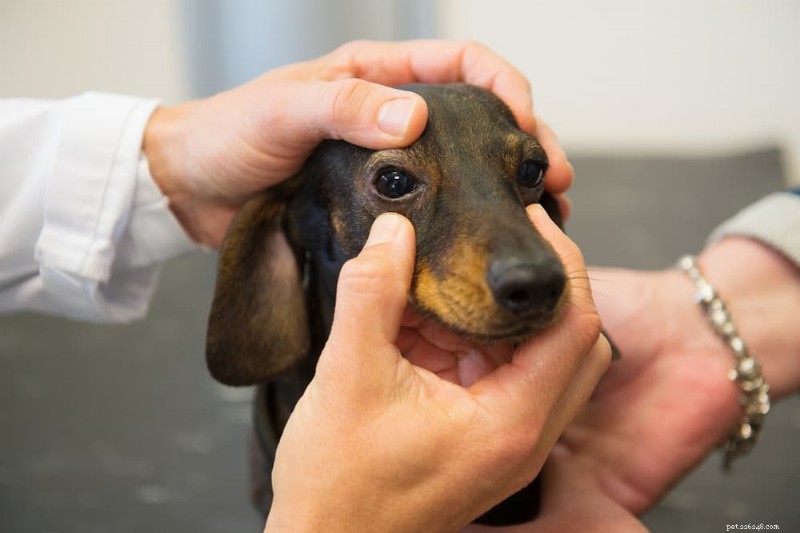
When a stye is suspected, schedule a veterinary visit. The clinician will perform a thorough physical exam, looking for swelling, redness, and tenderness. They will also rule out other conditions that can mimic a stye, such as benign eyelid tumors, corneal ulcers, dry eye, or glaucoma.
In the meantime, you can help by keeping the area clean: gently wipe debris with a warm, moist cloth and avoid scratching the eye. If the dog tolerates it, a warm compress may encourage the stye to rupture, providing immediate relief. Clean any pus that drains to prevent the infection from spreading.
Treatment Options
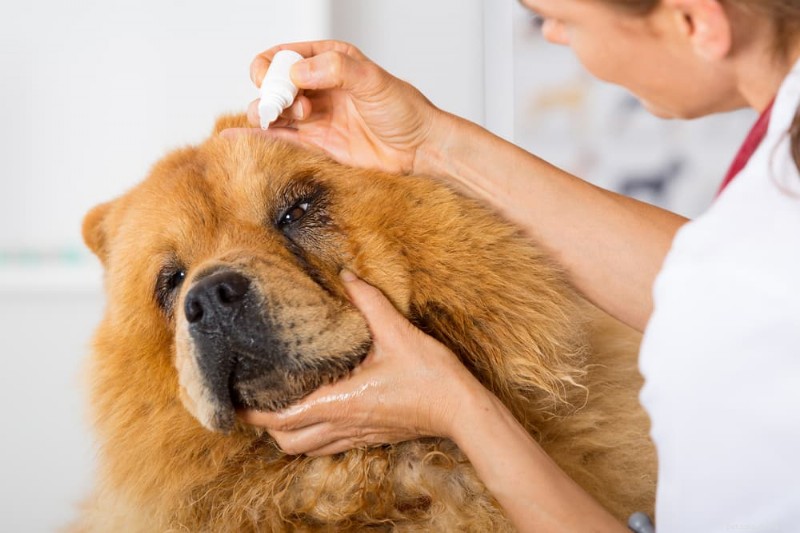
Most styes respond well to antibiotic therapy. A topical ointment that combines an antibiotic and a steroid—such as a Neomycin‑Polymyxin‑Dexamethasone formulation—can treat both infection and inflammation when applied to the eye surface.
In some cases, oral antibiotics like cephalexin or cefpodoxime and anti‑inflammatories such as carprofen may be prescribed, especially if the dog resists eye‑directed treatments.
Complete the full course of medication and attend any recommended rechecks to ensure full resolution. If a stye is severe, unresponsive to drugs, or threatens vision, surgical drainage or excision of a wedge‑shaped eyelid margin may be necessary. Post‑operative care typically includes a period of topical medication and an Elizabethan collar to prevent self‑trauma.
Typical Costs
The following estimates reflect average fees in the United States. Costs can vary by region and veterinary practice.
- Anti‑inflammatory medication: $15–$60
- Blood panel: $100–$300
- Regular vet exam: $45–$85
- Ophthalmologist exam: $200–$400
- Oral antibiotics: $20–$50
- Prescription topical eye ointment: $20–$50
- Surgical removal: $300–$1,000
Pet health insurance can help offset these expenses by covering veterinary visits, diagnostics, and medications.
Prevention and Early Detection
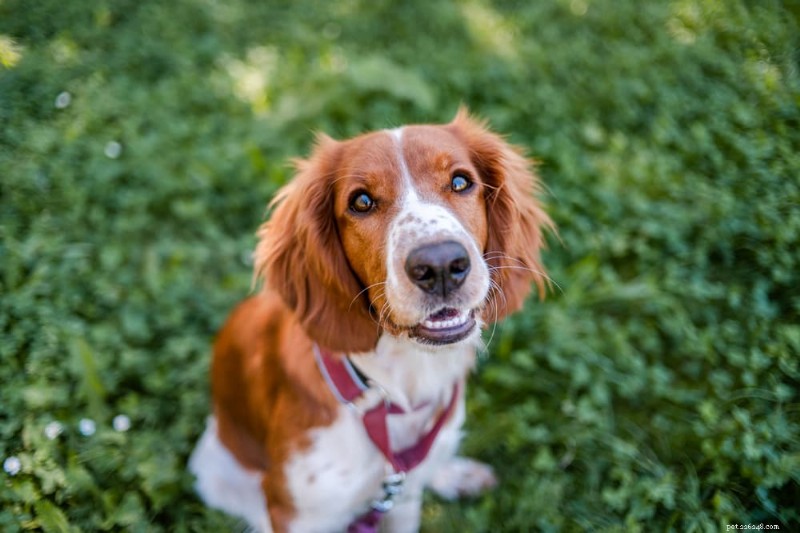
While no method guarantees prevention, regular cleaning of the face and eyes can reduce debris buildup. If you notice swelling, redness, or any unusual eye discharge, seek veterinary care promptly. Untreated styes can lead to corneal damage and vision loss.
- Pet Behavior
- Pet Breeds
- Pet Names
- Pet Adoption
- Pet Training
- Pet Information
- Pet Health
- Adorable Pets
- Dogs
- The 10 Best Scent Hound Breeds for Hunting and Tracking
- 19 Best Teacup Dog Breeds to Consider—See Their Photos
- Understanding Canine Diabetes: Common Signs, Diagnosis, and Management
- Four Proven Physical Therapy Alternatives for Dogs: Enhance Recovery & Mobility
- Why Dogs Chew Their Beds: Common Causes and How to Stop It
- 5 Myths About Canine Hip Dysplasia: What You Really Need to Know
- Discover Where Green Iguanas Thrive: Natural Habitats and Social Behavior