

Dog Vomiting White Foam: Causes, Symptoms, and Veterinary Treatment
All featured products are chosen at the discretion of the GreatPetCare editorial team and do not reflect a direct endorsement by the author or reviewer.
When a dog vomits white, foamy liquid, it can be unsettling for any pet owner. Although occasional bouts of foamy vomit are not uncommon, repeated episodes or accompanying symptoms may signal a more serious condition that requires veterinary attention.
Dog Vomiting White Foam: Is It a Cause for Concern?
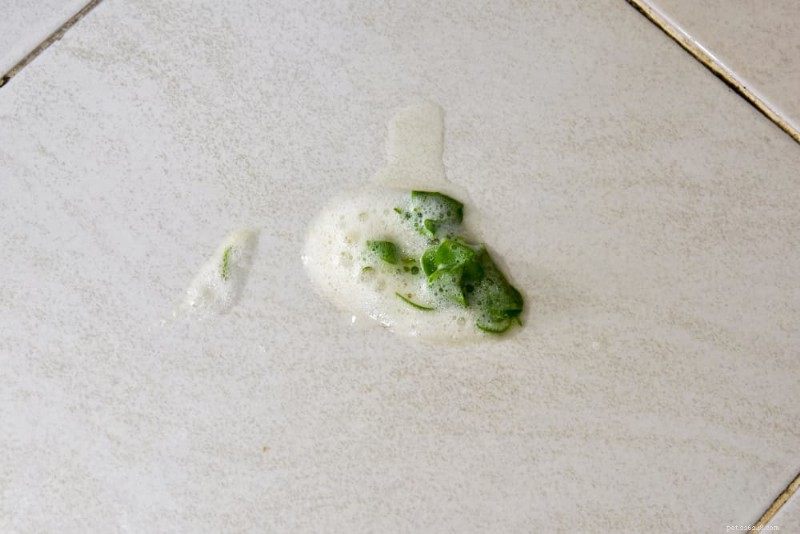
Foamy vomit usually forms when gas and saliva mix with stomach contents, creating a bubbly texture. It can also result from coughing or retching that brings air into the respiratory tract.
If the episode is isolated and the dog remains otherwise healthy, monitor for 24 hours. Watch for additional vomiting, diarrhea, lethargy, loss of appetite, weakness, or collapse. Any of these red flags warrant an immediate call to your veterinarian.
Repeated foamy vomiting—whether daily, weekly, or monthly—should be evaluated by a vet. A dog that vomits regularly is unlikely to be healthy.
Why Is My Dog Vomiting White Foam?
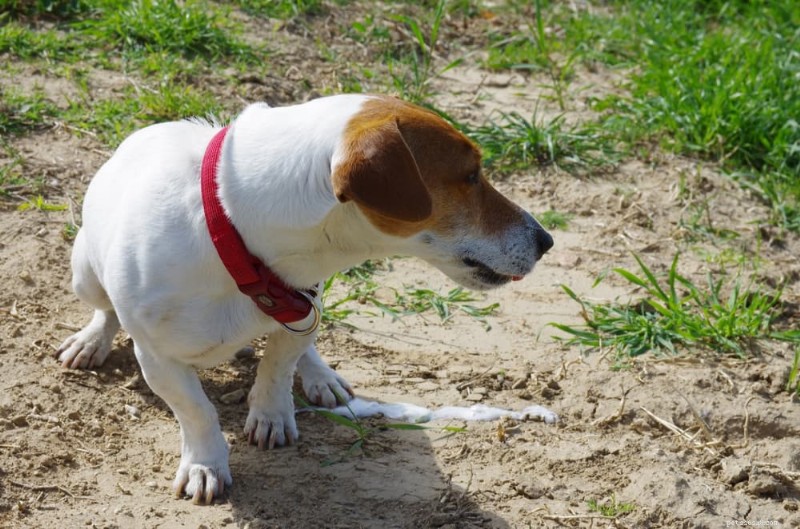
Below are the most common and clinically relevant reasons for white foam vomit in dogs:
- Transient stomach upset: A mild irritation can cause hypersalivation and foamy vomit that resolves within 24 hours.
- Ingestion of foreign material: Accidental consumption of non‑digestible items (e.g., toys, socks, bones) can trigger vomiting as the stomach attempts to expel the blockage.
- Gastric dilatation‑volvulus (GDV) or bloat: A life‑threatening condition in which the stomach fills with gas and may twist. Dogs often retch and vomit only white foam. Prompt veterinary care is essential.
- Toxic ingestion: Household cleaners, plants, human medications, or pesticides can cause severe vomiting and other systemic signs. Immediate veterinary attention is critical.
- Respiratory illness: Upper airway diseases such as kennel cough may produce a hacking cough that can be mistaken for vomiting.
- Parasitic infections: Lungworms, heartworms, and other parasites can irritate the airway and lead to coughing up foamy material.
- Systemic diseases: Conditions like pancreatitis, kidney disease, inflammatory disorders, or malignancies can provoke nausea and foamy vomit, often accompanied by lethargy, weight loss, or diarrhea.
Treatment Options for White Foam Vomiting
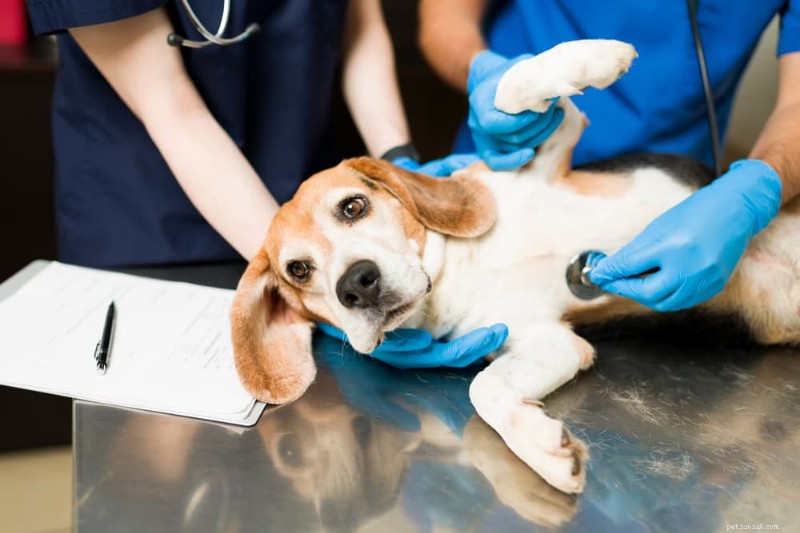
The appropriate treatment depends on the underlying cause. For isolated, mild episodes, a brief home management plan can suffice. However, persistent vomiting, additional clinical signs, or a known health condition necessitates a veterinary visit.
Home Management for a Single Episode
Withhold food for 12 hours to allow the stomach to settle. After the fasting period, offer a small amount of palatable food. If the dog accepts and shows no further vomiting, the episode is likely benign. If vomiting recurs or the dog refuses to eat, seek veterinary care.
Puppies and dogs with chronic illnesses (e.g., diabetes, kidney disease) should not be fasted without veterinary guidance.
Veterinary Evaluation and Care
During a clinical visit, the veterinarian will perform a thorough physical exam and review the dog’s medical history, medications, recent diet changes, and any potential exposures. Diagnostic tests may include:
- Complete blood count and chemistry panel
- Urinalysis
- Fecal examination for parasites
- Abdominal radiographs (X‑rays)
- Abdominal ultrasound (if indicated)
- Endoscopy (for suspected obstruction)
- Allergy or immune panel (if allergic etiology suspected)
Treatment is tailored to the diagnosis. Options may involve:
- Intravenous fluid therapy for dehydration or shock
- Anti‑emetics such as maropitant (Cerenia)
- Gastric acid reducers (famotidine, sucralfate)
- Antibiotics (doxycycline, amoxicillin) for bacterial infection
- Surgery to relieve obstructions or correct GDV
- Parasite control medications (e.g., Interceptor Plus, Heartgard Plus)
- Prescription gastrointestinal diets (Royal Canin Hydrolyzed Protein HP, Hill’s Prescription Diet i/d)
Estimated Cost Range for Diagnosis and Treatment
Costs vary by region, specialty, and severity of the condition. Below is a general range for common procedures:
- Abdominal X‑ray: $150–$250
- Abdominal ultrasound: $300–$600
- In‑house allergy testing: $200–$300
- Complete blood panel: $100–$300
- Endoscopy: $1,000–$2,000
- Examination fee: $45–$85
- Prescription medication: $20–$100
- Surgery for blockage removal: $800–$5,000
Pet health insurance can offset many of these expenses and provide preventative coverage. Discuss options with your veterinarian or insurance provider.
Preventing Foamy Vomiting in Dogs

Key prevention strategies include:
- Keep hazardous items—food, plants, chemicals, medications—out of reach.
- Supervise play, especially with toys that can be swallowed.
- Maintain a regular wellness schedule and annual vaccinations.
- Feed a balanced, species‑appropriate diet and transition slowly to new foods.
- Offer only safe, low‑fat treats; avoid grapes, raisins, chocolate, onions, and alcohol.
- Keep cleaning supplies, trash, and chemicals locked away.
- Regular deworming and heartworm prevention.
- Early veterinary consultation if vomiting recurs or is accompanied by other signs.
Frequently Asked Questions
Is it bad if my dog throws up white foam?
Foamy vomit is common and often harmless, especially if it occurs only once and is followed by normal behavior. Repeat episodes or accompanying signs such as diarrhea, lethargy, or loss of appetite require veterinary assessment.
What home remedies can I give my dog for vomiting?
For a single, mild episode, withhold food for 12 hours and then offer a small, bland meal. If vomiting continues, or the dog shows signs of distress, contact your vet.
How can I settle my dog’s stomach after vomiting?
After the fasting period, introduce a bland diet such as boiled chicken and rice or a prescription GI diet. Monitor for improvement before reintroducing the regular food gradually.
- Pet Behavior
- Pet Breeds
- Pet Names
- Pet Adoption
- Pet Training
- Pet Information
- Pet Health
- Adorable Pets
- Dogs
- Stop Puppy Biting: 3 Proven, Easy Techniques for Calm Training
- The Truth Behind Why Dogs Avoid Olives
- Excessive Dog Licking: Causes, Risks, and Proven Solutions
- Master Dog Obedience: DIY Training Guide for Happy, Healthy Pets
- Does Your Cat’s Coat Color Reveal Its Personality?
- Show Us Your Cat’s Litter Box—Share Photos & Join the Community
- Understanding Cat Lipomas: Causes, Symptoms, Diagnosis & Treatment