

Dog Dry Heaving: Recognizing, Diagnosing, and Treating Gastric Dilatation Volvulus (GDV)
When a veterinarian observes a dog dry heaving, it signals a potential emergency. Dry heaving—an unproductive retching—often precedes gastric dilatation volvulus (GDV), a life‑threatening condition that requires immediate surgical intervention.
Understanding the signs, causes, and treatment options can save your pet’s life. Below is a comprehensive guide to help you act decisively.
What Is Dry Heaving in Dogs?

Dry heaving occurs when a dog attempts to vomit but expels nothing. It can feel like a loud retch or a forceful burp, with abdominal muscles contracting rhythmically. This pattern is common in large, deep‑chested breeds such as Great Danes, Rottweilers, and German Shepherds. While some dogs may spit out foamy saliva, the absence of vomit distinguishes dry heaving from true vomiting.
Frequent episodes may indicate a different problem. It’s crucial to differentiate dry heaving from gagging, coughing, or reverse sneezing, which can present with similar noises but involve distinct muscle groups and triggers.
Dry Heaving vs. Vomiting
Vomiting produces even a small amount of stomach fluid—clear, yellow, or foamy—whereas dry heaving results in nothing being expelled.
Dry Heaving vs. Gagging
Gagging involves chest effort and may release a small amount of foamy saliva from material trapped in the throat.
Dry Heaving vs. Coughing
Coughing originates in the chest; severe coughs may involve abdominal effort, but the dog typically keeps its head down and the episode ends with a hack or dry retch.
Dry Heaving vs. Reverse Sneezing
Reverse sneezing, more common in small breeds, sounds like an inhaled sneeze and is usually triggered by allergens or irritants.
Causes of Dry Heaving in Dogs

Dry heaving can arise from any condition that triggers vomiting. Common causes include:
- Nausea
- Gastrointestinal discomfort
- Obstructions (tumors or ingested foreign objects)
- Toxin ingestion
- Over‑excitement or excessive exercise
- Rapid eating
GDV—also known as “bloat”—is the most serious of these causes. It occurs when the stomach fills with air and twists on itself, trapping gas and cutting off blood flow to the stomach and spleen. Untreated GDV can lead to fatal shock within hours.
Diagnosing Dry Heaving Causes
If you suspect your dog is dry heaving, contact your veterinarian or an emergency clinic immediately. Rapid assessment—including X‑rays to evaluate stomach shape, and bloodwork to check organ function—can confirm GDV and guide treatment.
Treatment Options
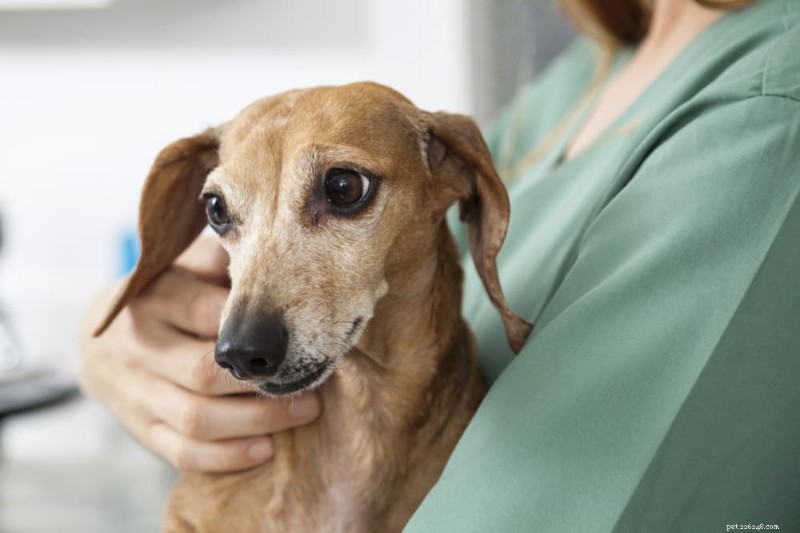
When GDV is confirmed, the first steps are stabilizing the dog with IV fluids and decompressing the stomach via a nasogastric tube. Pain relief and anti‑nausea medication are also administered while the veterinary team prepares for surgery.
Surgical correction (gastric volvulus release) typically costs between $2,500 and $4,500, depending on location and case complexity. If the spleen’s blood supply has been compromised, a splenectomy may be necessary.
If GDV is ruled out, treatment focuses on the underlying cause: anti‑nausea drugs, fluid therapy, and targeted diagnostics such as ultrasound or further imaging. In cases of obstruction, surgical removal of the foreign material may be required.
Because these situations can be financially and emotionally stressful, pet health insurance can provide crucial support.
Preventing Dry Heaving and GDV
While not all causes of dry heaving are preventable, several strategies reduce the risk of GDV:
- Slow down meals: Use slow feeders, puzzle bowls, or split meals to prevent rapid eating.
- Post‑meal rest: Refrain from vigorous exercise for at least one hour after feeding.
- Consider prophylactic gastropexy: For high‑risk breeds, a surgical fixation of the stomach can significantly lower GDV incidence.
Always treat dry heaving as a medical emergency. Prompt veterinary care can mean the difference between life and death for your dog.
- Pet Behavior
- Pet Breeds
- Pet Names
- Pet Adoption
- Pet Training
- Pet Information
- Pet Health
- Adorable Pets
- Dogs
- Seasonal Allergies & Insect Bites: Keeping Pets Healthy and Comfortable
- Petcurean Gather Free Acres Dog Food Review: Natural, Organic Nutrition for Your Dog
- Are Hot Dogs Safe for Dogs? Nutrition Tips & Treat Ideas
- What Science Reveals About the Irresistible Cuteness of Puppies
- Celebrate Hanukkah with Your Dog: Festive Ideas & Safe Traditions
- The Dangers of Mislabeling Your Pet as a Service Dog
- Comprehensive American Hairless Terrier Training Guide: Build Loyalty & Obedience