

Green Dog Poop: Causes, Symptoms, and When to Seek Veterinary Care
All featured products are selected by the GreatPetCare editorial team and do not constitute a direct endorsement by the author or reviewer.
Your dog’s stool can reveal subtle health changes. It reflects diet, digestion, and overall well‑being, so noticing shifts in color or texture can alert you early to problems.
“Bowel movements, though not pleasant to inspect, are a vital health indicator,” says Dr. James D. Carlson, veterinarian in Ohio. “Color, shape, size, and odor reveal how effectively your dog processes food.”
While stool can vary between breeds, a deep brown is usually normal. A change in hue—especially green—can signal a variety of issues, some of which warrant veterinary attention.
What Color Should Dog Poop Be?
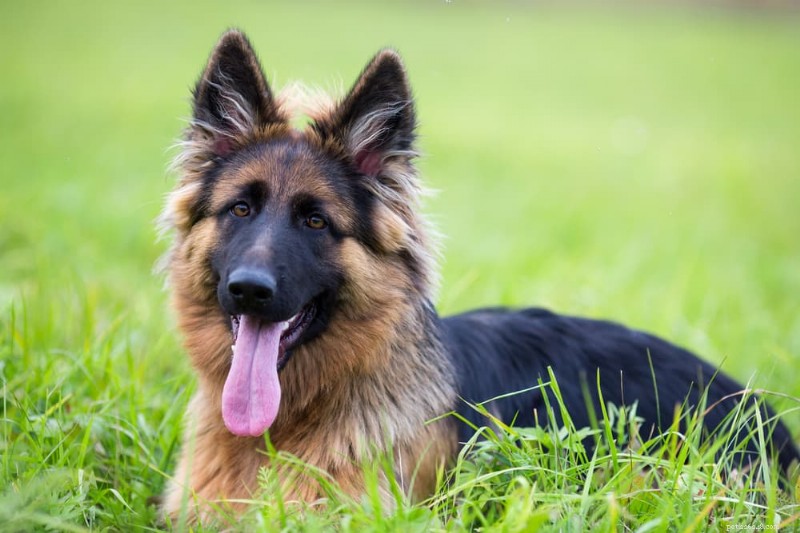
In healthy dogs, stool is typically a rich brown, though colored foods may tint it. Knowing your pet’s baseline helps you spot anomalies.
“Your dog’s bowel movement provides a snapshot of their overall health,” explains Dr. Sara Ochoa of Whitehouse Veterinary Hospital. “For instance, hard, dry stool often points to dehydration, while loose stools can indicate a gastrointestinal infection.”
Unusual colors—yellow, white, or mucus‑laden—warrant a veterinary consultation.
Why is My Dog’s Poop Green?
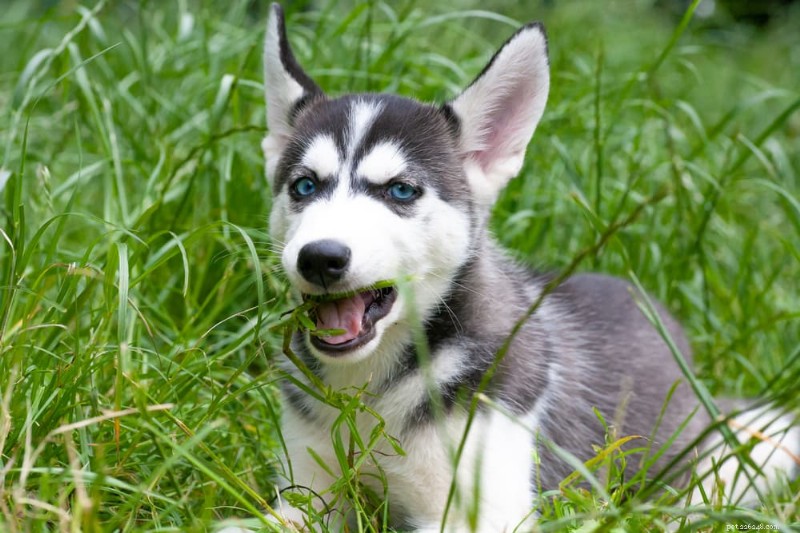
Common reasons for green stool include:
- Consuming grass
- Parasite infestation
- Gastroenteritis
- Malabsorption of nutrients
- Eating foods with green dye
- Exposure to toxins, such as rat poison
When green stool accompanies vomiting, lethargy, or loss of appetite, a vet visit is advised.
Green Dog Poop Characteristics
Depending on the underlying cause, other changes may accompany green stool:
- Mucus or slime—a sign of gastrointestinal inflammation.
- Soft, runny stool—suggests diarrhea; seek veterinary care if this persists.
- Crumbly, dry stool—may indicate constipation or ingestion of bone fragments.
- Chalky appearance—often linked to malabsorption disorders and associated weight loss.
- Hard consistency—typically a result of dehydration.
- Shades of green—varying from dark to bright, reflecting recent dietary changes.
What to Do If Your Dog’s Poop Is Green
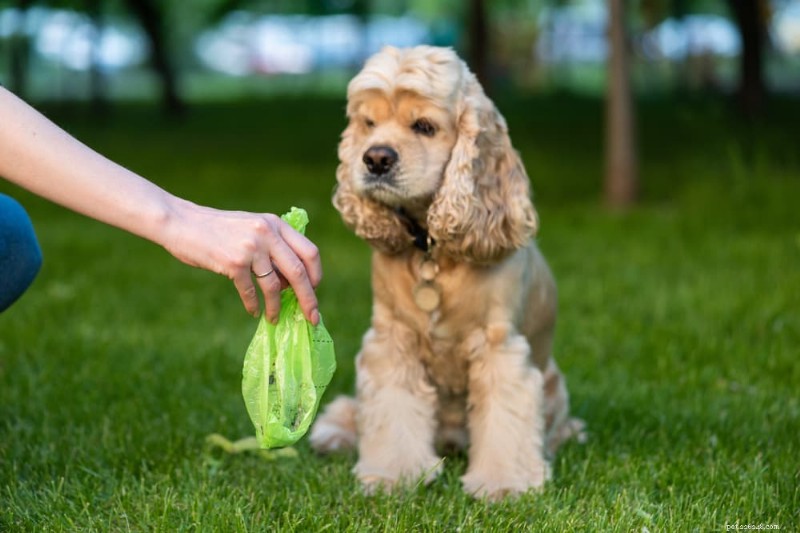
If your dog behaves normally and you’re confident there’s no toxin exposure, monitor for a day or two. Green stool from grass ingestion usually resolves quickly.
However, if the animal is vomiting, lethargic, or refusing food, immediate veterinary care is essential. Green stool can be a sign of life‑threatening conditions that require prompt treatment.
When you visit the vet, bring a stool sample. A physical and microscopic examination can reveal parasites or infections.
Pet health insurance can help cover diagnostic and treatment costs, especially if you opt for a wellness plan that includes fecal testing.
In cases of isolated green stool, probiotics may help restore gut flora. They are available in capsules, chews, powders, or sprays.
Never give treats with artificial colorants, which can irritate the gut. Discuss dietary choices and safe treats with your veterinarian.
- Pet Behavior
- Pet Breeds
- Pet Names
- Pet Adoption
- Pet Training
- Pet Information
- Pet Health
- Adorable Pets
- Dogs
- Effective Strategies to Protect Your Flower Beds from Your Dog
- Spaying or Neutering Your Dog: The Pros, Cons, and Alternatives
- Comprehensive Guide to Diagnosing, Treating, and Managing Diabetes in Dogs
- Why Does My Cat Bite When You Pet It? Understanding and Preventing Playful Biting
- Understanding and Preventing Kitten Biting: A Practical Guide
- Understanding Pinworms vs Whipworms in Dogs: Symptoms, Diagnosis, and Treatment
- When to Seek Professional Anal Gland Expression for Your Dog