

Understanding the Onset of Vitiligo in Dogs: Causes, Symptoms, and Care
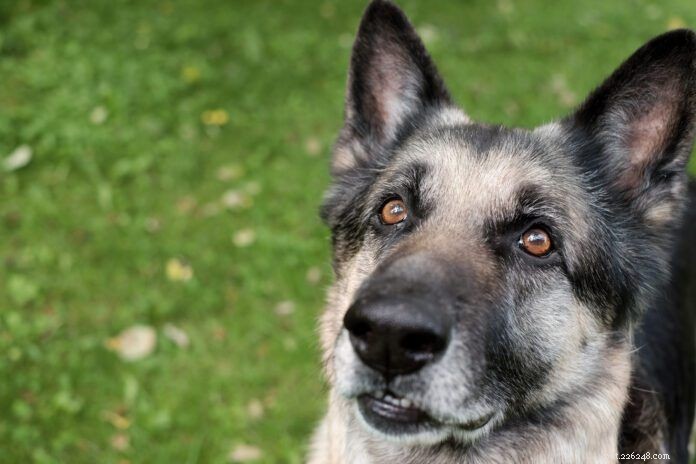
Vitiligo in dogs is a pigmentary disorder caused by the loss of melanocytes—the cells that give skin and hair their color. The condition can be inherited or triggered by autoimmune activity, and occasionally by traumatic injury. While the appearance of white patches may be striking, vitiligo itself is not a medical emergency for the animal.
Unlike the gradual graying that many breeds develop with age, vitiligo usually presents as abrupt, bright white areas that can spread across the body. Age‑related graying tends to start slowly on the muzzle and rarely covers the entire coat, whereas vitiligo can manifest on the head, neck, limbs, and even the footpads.
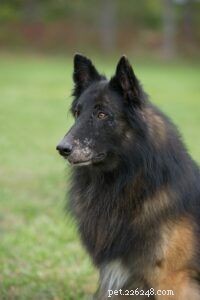
Breeds most commonly affected include Rottweilers, Belgian Tervurens, Belgian Sheepdogs, Doberman Pinschers, Dachshunds, and German Shepherds. Some dogs may be born with normal coloration and develop the condition later in life, potentially spreading the gene if they are bred without awareness of the predisposition.
When Does Vitiligo Start in a Dog?
A puppy with a genetic tendency for vitiligo typically shows normal colors at birth. As the animal matures, melanocytes in susceptible areas die off, leading to white hair. Onset can range from a few weeks to several months after birth. The face is often the first site of change, but the condition can progress to other body regions. In many cases, the pattern stabilizes within six months, though some dogs continue to develop new patches.
It is important to differentiate vitiligo from post‑injury white hair. When a wound destroys melanocytes, the scar may be surrounded by white hair that can return to normal color after shedding if the cells are merely damaged, not destroyed. For example, a Belgian Tervuren stung by yellowjackets developed white spots that eventually resolved once the inflammation subsided.
Diagnosing Vitiligo in Your Dog
Veterinarians usually diagnose vitiligo based on the animal’s history and a thorough physical exam. If other skin conditions are suspected, additional diagnostics such as skin scrapings, biopsies, or blood tests for autoimmune markers may be recommended. Currently, no supplement—whether omega‑3 fatty acids, vitamin C, or others—has been proven to reverse or halt vitiligo progression in dogs.
In cases where vitiligo is secondary to an underlying disease, treating that condition may improve skin pigmentation. Dogs with extensive white patches and short hair, like Dachshunds, benefit from sun protection: use a pet‑safe sunscreen and avoid prolonged exposure during peak sunlight.
While vitiligo may alter a dog’s appearance, it rarely causes discomfort. The primary concern is the potential association with systemic autoimmune disorders, which would present additional clinical signs. Most dogs live healthy, active lives despite their unique coat pattern.

- Pet Behavior
- Pet Breeds
- Pet Names
- Pet Adoption
- Pet Training
- Pet Information
- Pet Health
- Adorable Pets
- Dogs
- How to Stop Aggressive Goldfish: 11 Causes & Proven Solutions
- Effective Strategies to Prevent and Treat Kidney Disease in Cats
- 10 Clear Signs Your Dog Is Stressed and How to Help
- Top Safe Chews to Keep Your Dog’s Teeth Clean and Healthy
- Cat Eye Infections: Recognizing Symptoms & Choosing the Right Treatment
- Expert Guide to Pet Casts & Splints: Care, Tips, and Recovery Advice
- Top 5 Dairy Cow Breeds for Maximum Milk Production – Illustrated Guide