

Keep Your Dog Cool in Summer: Expert Tips for Heat‑Stress Prevention
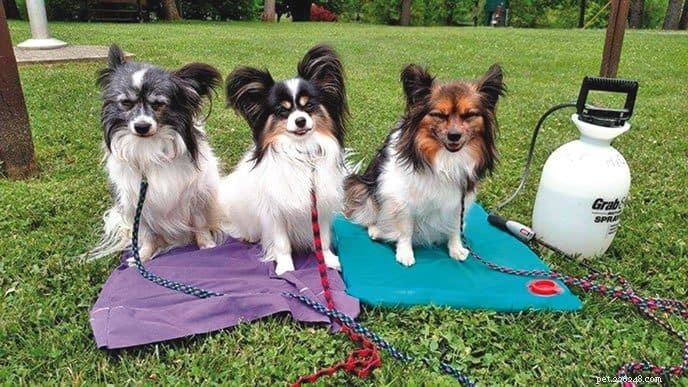
Dogs cool themselves primarily by panting. To keep a dog comfortable in summer, we must make panting more efficient.
When a dog pants, air passes over the tongue and throat, cooling the blood that circulates to the tongue. That cooler blood then flows back to the heart, completing the cycle.
The larger a dog’s tongue becomes, the more air it can move, helping the dog stay cool. A wide, reddish tongue is a sign that a dog is actively cooling itself.
In hot, humid conditions, this natural cooling system can struggle. As the ambient temperature approaches a dog’s normal body temperature, panting alone becomes insufficient, putting the animal at risk of heat stress.
How Hot Is Too Hot for a Dog?
Most dogs start to feel warm around 80 °F, though factors like humidity, breed, and fitness level can shift this threshold. Overweight or unfit dogs may show signs of distress at lower temperatures. Monitoring your dog’s behavior and maintaining a healthy weight helps prevent heat‑related illness.
Regular grooming, proper hydration, and keeping your dog at an optimal weight are key to resilience against heat. The more a dog pants, the more water it needs; cooler temperatures reduce that demand.
How to Avoid Heat Stress in Dogs
Even well‑conditioned dogs benefit from limits during extreme heat. “I acclimate dogs to warm weather, but if it’s extremely hot, we stay home,” says Linda Aloi, owner of K9 Capers Dog School in Baldwinsville, NY.
Overexertion can cause serious heat damage. If your dog slows down while chasing a ball, it’s a sign it’s had enough.
- Being muzzled in a warm environment
- Leaving a dog in a car, garage, or hot room, even with shade or cracked windows
- Excessive or extreme‑temperature exercise
- Walking on hot pavement or concrete
- Insufficient shade or fresh water
Should You Shave a Dog in Summer?
Dogs’ coats protect them from temperature extremes. A thick undercoat insulates; if it’s matted or dirty, grooming is essential. Single‑coated breeds—such as Papillons, Poodles, and Weimaraners—lack that insulation and may need extra sun protection.
“Never shave a double‑coated breed,” says Mary Jo Johnson, agility instructor in Farmington, NY. “The undercoat keeps a dog cool.”
Exceptions exist: hot spots, breed standards, or strategic trimming for athletes. Johnson clips the groin area so her dogs can lie in a kiddie pool and stay cool.
At home, many dogs enjoy a plastic kiddie pool with a few inches of cool water. This is a simple way to wet down a dog without a hose.
Diane Eggleston, owner of Awesome Abilities Dog Training School, recommends wetting the belly, groin, and front‑leg “armpits” when using a pool, as the back can trap heat.
For on‑the‑go cooling, Eggleston carries a dog‑safe sprayer with water and a touch of conditioner. She labels it to avoid mixing with household sprays.
Always provide fresh, cool water. On hot days, add ice cubes or offer broth‑infused ice cubes for a tasty treat. Never mix ice into the water; keep plain water readily available.
Carry a bowl and water when walking or hiking in heat.
Find Your Dog a Shady Spot for Outdoor Events
Extended outdoor time—such as a soccer match—requires shade, especially for dark‑coated dogs. A pop‑up tent or umbrella offers instant relief.
Attendees of dog shows or agility events often bring shade tents and sun shields that drape over crates or exercise pens, ensuring airflow.
Clean Run’s Cool Puppy Shade Cloth Panel is a knitted, reflective aluminized fabric that can be draped over a crate. According to Clean Run, it can reduce the spot temperature by up to 14 °F. Panels range from $45 for a 7′ × 6′ size to $108 for a 14′ × 10′ size.
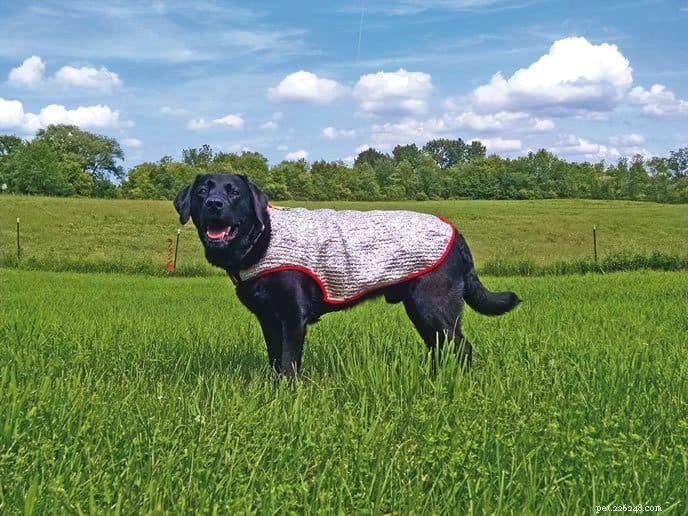
Prices: $45 for a 7′ × 6′ panel; $108 for a 14′ × 10′ panel.
Fans and Dog Cooling Mats
Portable fans—especially battery‑powered models—provide a welcomed breeze. Many dogs gravitate toward fans and lie in front of them. “At agility trials, we pair a shade tent, fans, and gel cool mats,” says Johnson.
Commercial cooling beds mimic a dog’s instinct to dig a cool hole. Options include wet towels, gel‑filled mats, and water‑filled beds. A wet beach towel on the floor is a low‑cost solution, but remember to keep it clean and out of direct sun.
Ice‑pack beds are also effective. For example, Eggleston packs a soaked equine leg bandage, freezes it, and uses it as a chill pad for her Papillons. Her 80‑lb Labrador uses a pocketed blanket filled with reusable Ice Horse ice packs, which stay cool for ~2 hours. Prices range from $17 for two packs to $95 for twelve, available at icehorse.net.
The Aspen Pet Gel Cooling Pad (12″ × 16″, foldable) offers a self‑cooling surface. It is lightweight and retail below $25. A larger alternative exists but is pricier.
The K & H Cooling Bed III is water‑filled, using the principle that water cools faster than air. It absorbs body heat and circulates it away. It’s popular for crate use, but its water weight makes it cumbersome for travel. Sizes range from 17″ × 24″ ($70) to 32″ × 44″ ($130) with a two‑year warranty.
Dog Cooling Vests and Other Dog Clothes
While many garments claim to cool dogs, adding fabric can also trap heat. Look for reflective or water‑wetted materials that allow airflow.
Wet coats lose cooling ability once they reach body temperature, so monitor and re‑wet as needed. Heavy or rigid coats may be uncomfortable.
The K9 Kooling Coat is a lightweight, bright‑white polyester mesh that blocks UVA/UVB rays. Wet it before use or freeze overnight for extra chill. Re‑wet as necessary.
Aluminum‑foil‑type coats reflect the sun while allowing airflow; these are used by many trainers, including Aloi.
The K‑9 Cooler is durable, lightweight, and can be worn wet or dry. Prices range from $23 to $54.
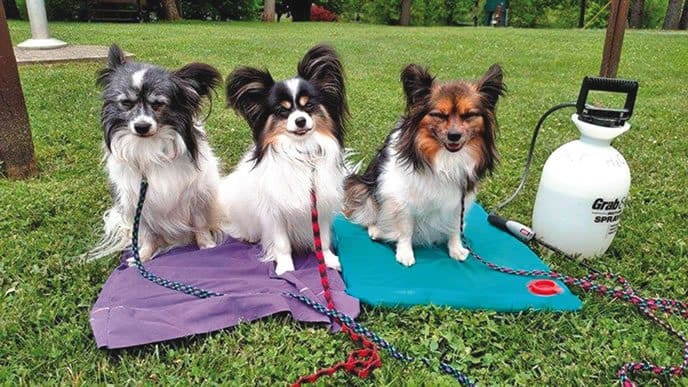
The Chilly Buddy coat features a reflective outer layer and a mesh cotton lining. The lining holds water longer, maintaining a cooler surface. A tighter fit would improve retention. Prices: $45–$70.
Best Ways to Keep a Dog Cool in Hot Weather
Your top defense is plenty of cold, clean water and shade. Ice cubes make a fun, hydrating treat.
When a dog is confined to a warm space, provide shade, a steady fan breeze, and constant water. A cooling bed—whether a wet towel or a commercial mat—offers instant relief.
For prolonged sun exposure, reflective coats—especially the Chilly Buddy—are effective, thanks to their double‑layer design.
When using clothing, monitor its temperature to avoid overheating. Balance shade, cool bedding, and airflow to keep your dog truly comfortable.

- Pet Behavior
- Pet Breeds
- Pet Names
- Pet Adoption
- Pet Training
- Pet Information
- Pet Health
- Adorable Pets
- Dogs
- When Your Dog Breathes Rapidly: Causes, Symptoms, and What to Do
- What to Expect After Deworming Your Dog: A Comprehensive Guide
- Are Peppers Safe for Rabbits? A Quick Guide
- Why Does Your Cat Meow at You? Insights from a Vet
- 8 Clear Signs Your Macaw Truly Loves You
- Adoptable Kitten Thrives in Kansas Grandma’s Warm Home
- New Guinea Singing Dog – The World’s Rarest Canine Breed