

Why Does My Dog Limp? A Vet‑Approved Guide to Causes and Care
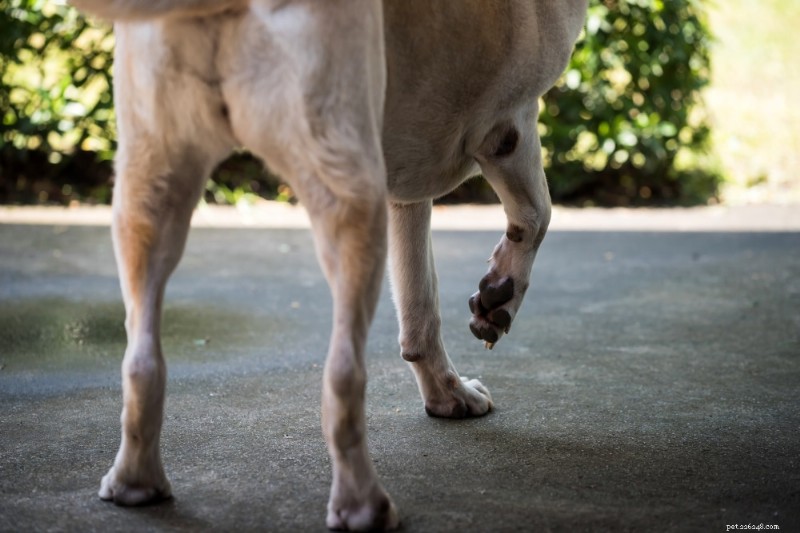
Limping is one of the most common reasons owners bring their dogs to a vet. While some causes are benign, others signal serious health problems. Understanding the difference between a temporary, self‑limited limp and a potentially life‑threatening condition is essential for your pet’s well‑being. Our Southern Arizona Veterinary Specialty and Emergency Center has treated hundreds of dogs with all types of lameness, from minor paw injuries to advanced arthritis.
Two Categories of Canine Limping
Veterinarians distinguish between acute and chronic limping. Acute lameness develops abruptly—often after an injury or sudden trauma—while chronic lameness emerges gradually, usually indicating an underlying degenerative process.
- Acute limping—Occurs suddenly, often following an injury or trauma.
- Chronic limping—Develops gradually, often due to a degenerative or chronic condition.
When your dog starts limping, ask whether the onset was sudden or gradual. This simple observation can help guide your veterinarian in pinpointing the cause and determining whether immediate veterinary care is warranted. Both types can be serious, and early intervention often leads to better outcomes.
Limping Causes in Dogs
Limping can arise from a wide spectrum of conditions, ranging from traumatic injuries to chronic degenerative diseases. Below are some of the most common culprits.
- Foreign bodies—Sharp objects such as glass, nails, sticks, or thorns can puncture or embed in a dog’s paw pads, producing pain that leads to limping.
- Paw burns—Hot surfaces like asphalt can blister or burn a dog's paw pads, causing them to avoid walking or to lick/chew the affected area. Avoid walking during peak heat and test pavement temperature with your hand.
- Degenerative joint disease—Also known as osteoarthritis, DJD typically develops as dogs age. Joint tissues deteriorate, causing pain and inflammation. Signs include reduced activity, reluctance to be touched, irritability, decreased appetite, muscle loss, and occasional licking or biting of the painful area. Limping is the most common indicator.
- Valley fever—Valley Fever (coccidioidomycosis) is common in arid regions like Southern Arizona. Initial symptoms—cough, fever, weight loss, lethargy—can progress to disseminated infection, which may present with lameness.
- Osteosarcoma—Bone cancer, particularly osteosarcoma, is the most prevalent canine bone tumor. It often produces painful swelling and limping, especially in large or giant breeds.
- Injury—Fractures, sprains, dislocations, ligament tears, joint trauma, or spinal injuries can all result in varying degrees of lameness. Energetic breeds that perform high‑impact activities are especially prone to such injuries.
- Infection—Infected wounds, especially those in the paws, can cause pain and limping. Lyme disease, a tick‑borne illness, can also trigger joint inflammation and lameness.
When to Seek Veterinary Care for a Limping Pet

Your dog cannot communicate pain levels, so you must monitor signs to decide when to bring them in. If the limp is mild and no other symptoms appear, you may observe for a few days. However, certain red flags demand immediate veterinary attention, such as:
- Limping accompanied by fever
- Limb feels hot to the touch
- Limb positioned at an abnormal angle
- Moderate to severe swelling
- Dislocated or dangling limb
Treating Limping in Dogs
Treatment depends on the underlying cause. Common approaches include:
- Rest—Activity restriction often resolves minor issues.
- Medications—Anti‑inflammatory drugs can alleviate pain and swelling.
- Joint supplements and injections—For diagnosed arthritis, high‑quality supplements or pain‑relieving injections may be prescribed.
- Physical therapy—Rehabilitation exercises can improve mobility and strength.
- Surgery—Vets may recommend surgical intervention for fractures, certain dysplasias, or ligament ruptures.
If you’re concerned about your dog’s lameness, contact our Southern Arizona Veterinary Specialty and Emergency Center. Our experienced team will identify the root cause and provide personalized care to relieve your pet’s discomfort.
Share This Story, Choose Your Platform!
- Pet Behavior
- Pet Breeds
- Pet Names
- Pet Adoption
- Pet Training
- Pet Information
- Pet Health
- Adorable Pets
- Dogs
- 105 Exotic Names for Bengal Cats: Find the Perfect Match
- Can Dogs Benefit From Catnip? Understanding Its Effects and Safety
- How to Feed a Dog with a Sensitive Stomach: Trusted Nutrition Advice
- Expert Tips for Planning a Stunning Dog Wedding
- Top Truffle‑Dog Breeds: Which Pups Excel at Truffle Hunting?
- Quick & Safe Guide to Cleaning Your Dog’s Ears
- How to Remove Skunk Smell from Your Dog Quickly & Safely