

Optimal Veterinary Visit Frequency for Your Dog: A Practical Guide
According to a recent American Veterinary Medical Association survey, roughly 24 percent of pet owners—about 20 million pets—fail to bring their animals to a veterinarian’s office at least once a year. This statistic underscores a common uncertainty among pet owners: how often should I take my dog to the vet?
Many loving pet parents are unaware of the critical role that routine preventive care plays in long‑term health. Others struggle to schedule visits due to transportation challenges, cost concerns, or a dog that becomes anxious in new environments. Below, we break down the recommended visit schedule for puppies, adult dogs, seniors, and pets with chronic conditions, and provide actionable tips to make each trip as smooth as possible.
How Often Should I Take My Dog to the Vet?
The appropriate frequency of veterinary visits depends on several factors, including age, health status, and current medical conditions.
Puppies
Veterinarians typically schedule a comprehensive exam soon after adoption. During this visit, the vet will:
- Perform a physical exam and check for congenital issues such as heart murmurs or hernias.
- Collect a stool sample and administer deworming medication.
- Initiate heartworm prevention and provide the first round of core vaccines.
Bring any paperwork from the shelter or breeder to inform the vet of prior care. Puppies should receive booster shots every three to four weeks until they reach 16 weeks of age or until the veterinarian confirms full vaccination. Missing boosters can expose your puppy to life‑threatening diseases and may require restarting the entire series, increasing both risk and cost.
Adult Dogs
Healthy adults benefit from an annual veterinary exam, which typically includes updated vaccinations, a thorough physical assessment, and deworming. This yearly check helps catch emerging health issues early.
Senior Dogs and Pets with Chronic Conditions
Senior dogs—defined by age ranges that vary with breed—should see a vet at least twice a year. General guidelines are:
- Large and giant breeds: 6–7 years
- Medium breeds: 8–9 years
- Small breeds: 10–12 years
Pets with ongoing health issues such as heart disease or kidney dysfunction require biannual visits to monitor progress and adjust treatment plans.
When to Seek Immediate Veterinary Care

Beyond scheduled visits, you should schedule an appointment whenever you notice concerning symptoms. As a pet owner, you are your dog’s first line of defense. If you’re uncertain whether an issue is urgent, call the clinic’s front desk for guidance.
Key warning signs that warrant prompt veterinary attention include:
- Difficulty breathing
- Vomiting or diarrhea
- Blood in stool
- Change in appetite
- Increased thirst or urination
- Lethargy or reduced exercise tolerance
- Mobility issues or difficulty walking
- Red, watery, or painful eyes; excessive blinking
- Coat changes or hairless/red skin patches
- Persistent crying or whining
- Unusual aggression or behavior changes
The Value of Preventive Care
Benjamin Franklin famously said, “An ounce of prevention is worth a pound of cure.” Preventive veterinary care is not only cost‑effective compared to treating advanced disease, it also increases the likelihood of successful outcomes. During routine visits, a veterinarian can provide:
- Tailored nutrition advice based on age and weight
- Dental health recommendations
- Up‑to‑date vaccine protocols
- Information on emerging local diseases (e.g., canine influenza)
- Routine bloodwork to detect hidden conditions early
- Year‑long heartworm and parasite prevention plans
Maintaining a veterinary‑client‑patient relationship (VCPR) ensures that when concerns arise, you have a trusted professional ready to guide you.
Vaccination Schedule Overview
Vaccines are a cornerstone of preventive care. Most states require a rabies shot, which is available as a one‑year or three‑year vaccine. Puppies receive a series of core vaccines (e.g., distemper, parvovirus, adenovirus) with boosters every one to three years, depending on the disease risk and local prevalence. Non‑core vaccines such as Lyme or leptospirosis are typically boosted annually.
Tips for a Stress‑Free Vet Visit
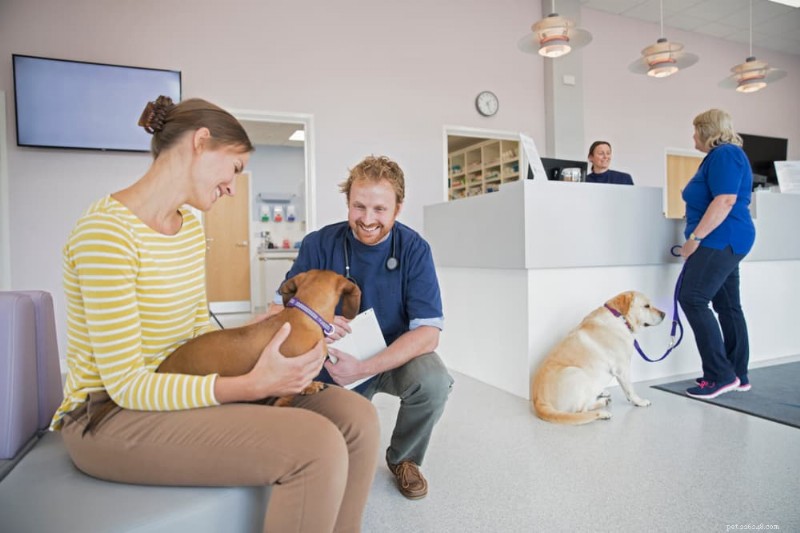
Making each vet visit a positive experience reduces anxiety for both you and your dog. Consider the following strategies:
- Burn off energy. A brisk walk or play session before the appointment helps calm nerves.
- Use a carrier. For small dogs, a secure carrier keeps them contained and reduces stress.
- Bring comfort items. A favorite toy or blanket offers familiar scent and reassurance.
- Limit waiting room exposure. Ask the clinic if you can wait outside or in the car while your dog is being examined.
- Shorten the leash. Use a short, non‑retractable leash inside the clinic to protect all animals.
- Practice runs. Familiarize your dog with the clinic by visiting during a quiet time and rewarding calm behavior.
- Check in early. Call ahead to inform staff of a reactive dog; they may arrange a private room.
- Consider calming aids. Discuss prescription or over‑the‑counter options with your vet for short‑term anxiety relief.
- Schedule next appointment early. Book your follow‑up before leaving the clinic to avoid forgetting a year‑later visit.
- Plan logistics. Explore low‑cost clinics, mobile veterinarians, pet‑friendly taxi services, or nearby family members who can help with transport.
- Set aside a pet emergency fund. A small monthly savings cushion helps cover unexpected illnesses or injuries.
- Be patient. Veterinary offices experience peak traffic in the early morning and late afternoon; mid‑day appointments are often less crowded.
Choosing a knowledgeable, compassionate veterinarian establishes a partnership that supports your dog’s health throughout its life.
Reference
- American Veterinary Medical Association Pet Ownership and Demographics Sourcebook (2022). Retrieved from: https://ebusiness.avma.org/files/ProductDownloads/eco-pet-demographic-report-22-low-res.pdf
- Pet Behavior
- Pet Breeds
- Pet Names
- Pet Adoption
- Pet Training
- Pet Information
- Pet Health
- Adorable Pets
- Dogs
- Recovering a Traumatized Dog: Essential Steps After an Attack
- Train Your Dog to Stop Door Scratching: Proven Techniques & Solutions
- Is Your Dog Suffering from Periodontal Disease? Expert Signs & Prevention Tips
- Meet Amos Moses: Featured Ragdoll of the Week
- Essential Dog Teeth Cleaning Tips for Healthy Canine Dental Care
- How to Tell if Your Dog Feels Neglected
- Free Kids Poster: Decoding Dog Sounds – Woofs & Growls