

Understanding Pannus in Dogs: Symptoms, Diagnosis, and Proven Treatment Strategies
Pannus in dogs, also called chronic superficial keratitis (CSK), is a permanent and progressive eye disease that, if left untreated, can cause pain, blurred vision, and ultimately blindness. While it may seem daunting, pannus is straightforward to diagnose and can be effectively managed with the right medication and lifestyle adjustments.
Whether your pet has just been diagnosed or you’re looking to take preventative steps, this guide covers everything you need to know about dog pannus—so you can spot the signs early and work with your veterinarian to preserve your dog’s vision.
What Is Pannus?
Pannus is a condition in which new blood vessels and scar tissue grow into the cornea. The process typically starts at the outer, lower part of the eye and may involve the third eyelid. Over time, the entire cornea becomes clouded and eventually darkened—a progression that blocks light and results in vision loss. The disease can affect one or both eyes, though it often presents asymmetrically.
Causes of Pannus in Dogs
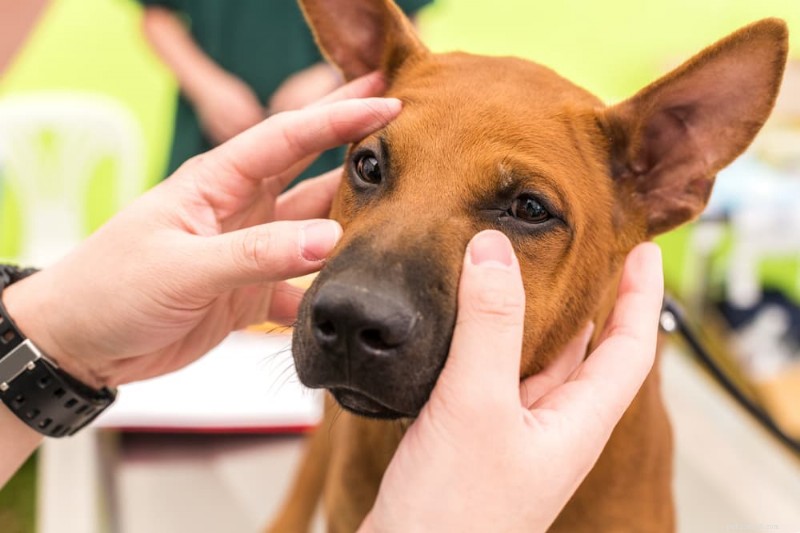
Veterinary ophthalmologists attribute pannus to a combination of genetic predisposition and immune‑mediated inflammation. Environmental triggers—such as prolonged ultraviolet (UV) exposure, high altitude, and smoke—can accelerate the condition and make it harder to treat. German Shepherds and mixes are the most frequently affected, followed by Greyhounds, Rottweilers, Belgian Tervurens, and Border Collies. However, any breed can develop pannus, typically between ages 4 and 7. Early onset often correlates with a more severe course, whereas cases that begin after age 5 tend to respond better to therapy.
Symptoms of Pannus in Dogs
- A raised, red lump on the eye
- A grayish‑pink film covering the cornea
- Visible blood vessels on the eye surface
- Dark brown pigmentation of the cornea
- Excessive tearing or watering
- Pawing or rubbing at the affected eye
- Signs of impaired vision (e.g., bumping into objects, hesitancy to jump)
Early pannus does not typically cause blindness, but without intervention the disease progresses to complete vision loss.
Diagnosing Pannus in Dogs
Diagnosis begins with a detailed history and a thorough ophthalmic exam. Your veterinarian may perform a fluorescein stain, Schirmer Tear Test, and intraocular pressure measurement to rule out other common eye diseases and to tailor an optimal treatment plan.
How to Treat Pannus in Dogs
Pannus is not curable, but its progression can be halted with topical therapy. The primary goal is to stop corneal pigmentation and preserve remaining vision.
Common regimens include an anti‑inflammatory steroid—such as dexamethasone—often paired with an immunomodulator like cyclosporine. These medications are applied directly to the affected eye(s) as drops or ointment. Initially, frequent dosing throughout the day is typical; as improvement occurs, the schedule is gradually tapered to twice daily.
In severe or refractory cases, a skilled veterinarian or veterinary ophthalmologist may administer a direct intraocular steroid injection. This approach is reserved for extreme situations due to the higher risk of complications.
How to Prevent Pannus in Dogs

Preventative care is especially important for breeds predisposed to pannus. Minimizing exposure to UV light, high altitude, and smoke can reduce the risk of onset or flare‑ups.
Practical steps include:
- Keep your dog indoors during peak sunlight hours or provide a shaded area when outside.
- Choose walking routes with trees or structures that offer natural shade.
- Avoid smoking around your dog and keep them a safe distance from campfires or open flames.
- Consider canine sunglasses—such as RexSpecs or Doggles—to shield eyes from harmful light.
By combining vigilance with appropriate veterinary care, you can help safeguard your dog’s vision and improve their quality of life.
- Pet Behavior
- Pet Breeds
- Pet Names
- Pet Adoption
- Pet Training
- Pet Information
- Pet Health
- Adorable Pets
- Dogs
- Healthy Homemade Dog Food Recipes for Optimal Nutrition
- Chinchillas at Night: Their Nocturnal Nature and Vision Explained
- Why Some Dogs Dislike Others: Key Causes and How to Help
- 30 Dog Breeds Ideal for Low‑Energy Owners: Find Your Perfect Couch Companion
- Cat Water Fountains vs Bowls: How a Fountain Keeps Your Cat Healthier
- Why and How to Keep Your Dog Off Your Bed for Better Sleep
- 5 Key Reasons Your Cat Won’t Stop Crying—and How to Help