

10 Proven Exercises to Safely Reduce Your Dog’s Weight
All featured products are chosen at the discretion of the GreatPetCare editorial team and do not reflect a direct endorsement by the author or reviewer.
Dog obesity is rising worldwide. A 2022 study found that 59 percent of dogs in the United States are overweight or obese. (1)
Obesity in dogs is more than a cosmetic concern. It shortens life expectancy, worsens mobility, and can erode the bond between pet and owner. In fact, nearly a quarter of all claims submitted to one of the largest pet‑insurance companies were for obesity‑related illnesses. (2)
Research spanning two decades confirms that lean dogs live longer, experience less arthritis, recover more quickly from illness or surgery, and enjoy a healthier gut microbiome. (3)
While nutrition is key, consistent exercise is essential for safe, sustainable weight loss. The best results come from a balanced approach that couples moderate calorie control with regular, appropriate physical activity.
Below are ten of the most effective, enjoyable exercises that can help your dog shed excess pounds while strengthening your bond.
10 Proven Exercises for Dog Weight Loss
Choose activities that you and your dog can enjoy together. If the dog park isn’t a favorite, you’re less likely to go there often. These ten options are simple, safe, and adaptable.
Walking
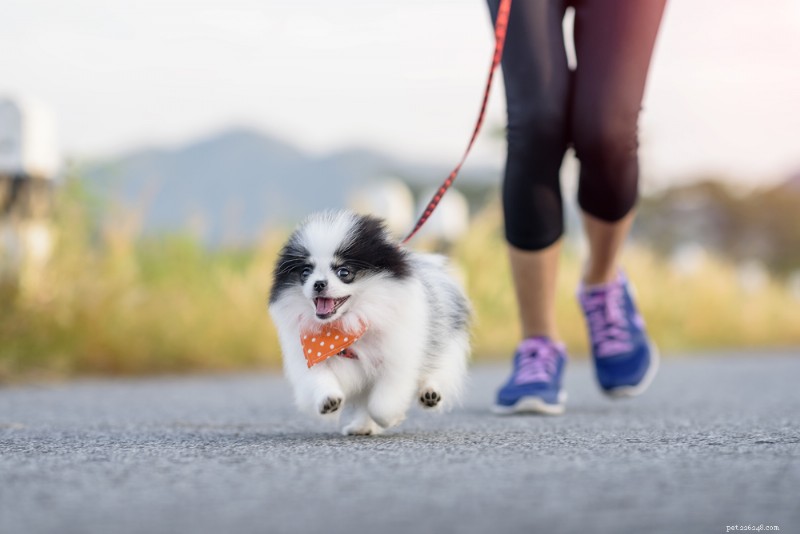
Walking is a low‑impact, accessible starting point for overweight dogs. Begin with short, flat routes and gradually add distance or gentle hills as stamina improves.
Keep the pace brisk enough to raise heart rate, but not so fast that your dog feels strained. Breaks for sniffing are fine; the goal is sustained movement.
Vary the experience with “buddy walks” that include another dog and its owner, or hire a professional walker if your schedule is tight.
Hiking
For the adventurous owner, hiking offers mental stimulation and varied terrain. Observe leash laws, assess trail difficulty, and let your dog acclimate by starting with easier paths.
Always check weather conditions, bring plenty of water, and watch for hazardous surfaces—hot pavement, icy slopes, or jagged rocks that could injure paws.
Swimming
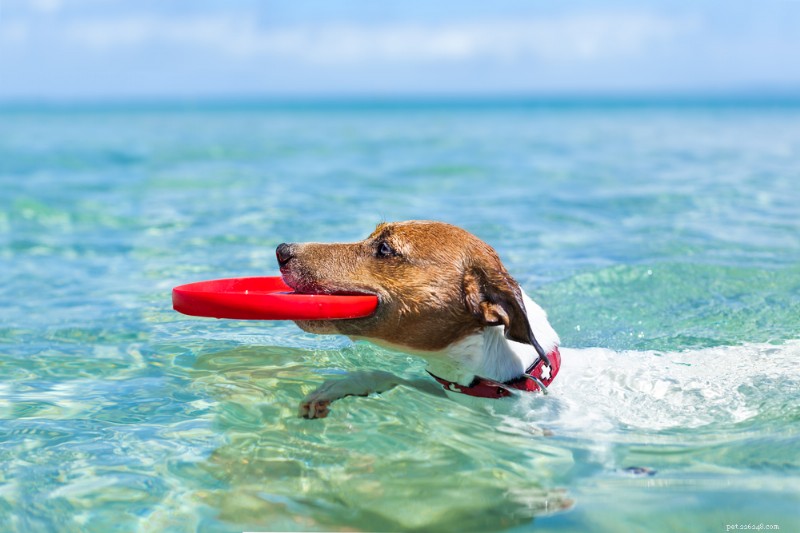
Swimming delivers an ultra‑low‑impact workout ideal for dogs with arthritis or heat‑sensitive breeds. The buoyancy supports joints while muscles work.
If full immersion is intimidating, walk through ankle‑deep water; even a slow pace can strengthen muscles.
Consider indoor dog pools or veterinary‑approved swimming therapy if open‑water conditions are a concern.
Physical Therapy
Beyond injury recovery, physical therapy can act as a personalized trainer. A certified canine rehabilitation specialist tailors exercises that build strength, balance, and coordination.
Common modalities include treadmill, underwater treadmill, passive range‑of‑motion, and targeted strength drills. A veterinarian can refer you to a local program.
Interactive Playtime
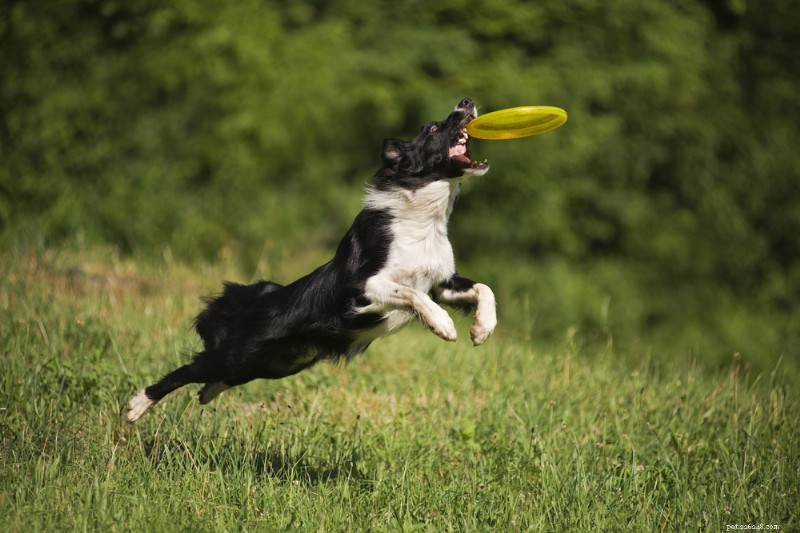
Revive the puppy‑hood games—fetch, hide‑and‑seek, tug‑of‑war—that keep your dog active and engaged. Regular play can become a natural part of a weight‑loss routine.
Scavenger Hunt
Inside the home, a scavenger hunt offers both mental and physical engagement. Hide a favorite toy rather than treats to avoid adding extra calories. Start simple and increase difficulty as your dog masters the challenge.
Dog Park Visit
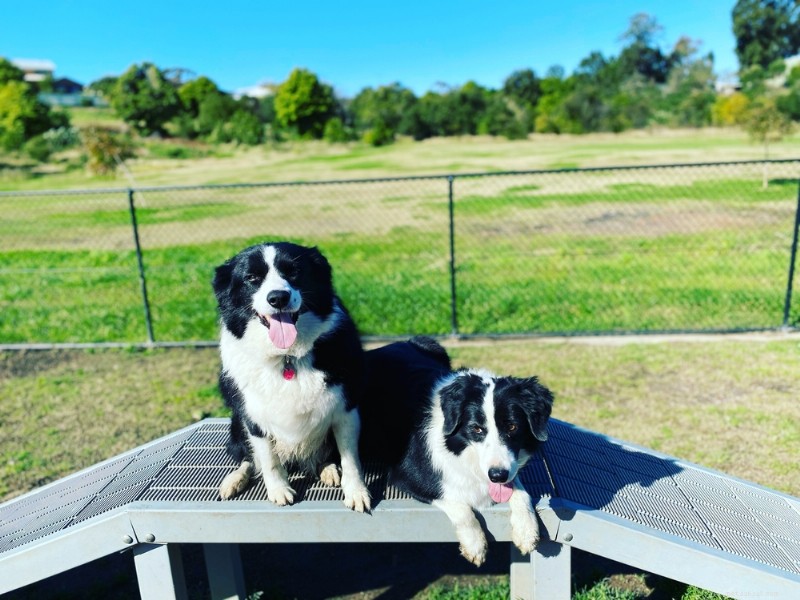
Many dogs relish the freedom of a park, choosing paths and companions. Use these minutes of active play, but monitor for overexertion or rough play that could lead to injury.
Social Outing
If the dog park isn’t suitable, organize play sessions with neighbors’ dogs. A few hours a week of social play can add meaningful exercise while expanding your dog’s social circle.
Classes
Enroll in activity classes that align with your dog’s natural talents—agility, scent work, retrieving, or even dog diving. After class, practice skills at home to reinforce movement.
Dog Daycare
Daycare centers often separate dogs by size and energy level. Discuss your weight‑loss goals with staff; a few days a week can boost activity without requiring extra effort from you.
Exercise Safety Tips for Weight Loss
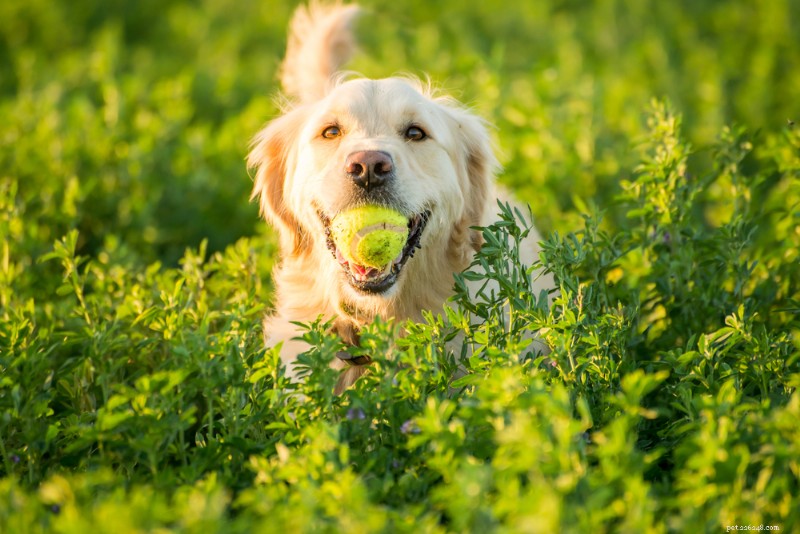
Weight loss should be gradual—aim for 0.5 to 2 pounds per month, adjusted for your dog’s size.
Obese dogs or those with medical conditions should consult a veterinarian before starting an exercise plan. Prescription diets or modified workouts may be advised.
Respect your dog’s limits and environmental conditions. For joint pain, consider an omega‑3 fish oil supplement to reduce inflammation.
Avoid high temperatures, especially for brachycephalic breeds like French Bulldogs. Hot pavement and icy or salted roads can strain paws and joints.
Introduce new activities slowly. Multiple 10‑minute walks can build endurance, expanding to 30‑minute sessions over six months.
Provide fresh water throughout exercise and allow a cool‑down period before full hydration.
When mixing dogs, let them acclimate gradually—on a leash first, then in a controlled backyard setting.
Exercise benefits extend beyond weight loss. It energizes your dog, deepens your relationship, and may even become a shared hobby.
References
- 2022 State of U.S. Pet Obesity Report. Association for Pet Obesity Prevention. Retrieved from https://static1.squarespace.com/static/6425ec5d33eaaa634113b2d4/t/6454f61c0cad164860799c8f/1683289630779/2022+State+of+US+Pet+Obesity+Report.pdf
- Resolve to start the new year on a healthier foot – or paw – with your pets. Nationwide. Jan 2021. Retrieved from https://news.nationwide.com/resolve-to-start-the-new-year-on-a-healthier-foot/
- Kealy, Richard D et al. “Effects of diet restriction on life span and age‑related changes in dogs.” Journal of the American Veterinary Medical Association vol. 220,9 (2002): 1315-20. doi:10.2460/javma.2002.220.1315
- Pet Behavior
- Pet Breeds
- Pet Names
- Pet Adoption
- Pet Training
- Pet Information
- Pet Health
- Adorable Pets
- Dogs
- 12 Birds That Show Unexpected Quirks
- Essential Guide: Inspecting Boxed Cat Food Cans for Quality and Safety
- Why Do Dogs Eat Grass? 7 Key Reasons and Proven Ways to Stop the Habit
- Paddleboarding with Your Dog: A Safe, Thrilling Adventure on the Water
- White-Fronted Amazon Parrot (White-Browed): Comprehensive Species Profile
- Understanding Cancer in Cats & Dogs: Causes, Symptoms, and Care
- Frontline Plus for Cats: Effectiveness, Features, and Consumer Reviews