

2025 Dog Owner FAQs: Expert Answers to 20 Common Questions

As we enter the final quarter of 2025, we’ve compiled the most frequently asked questions from dog owners to help you navigate the joys and responsibilities of pet ownership.
If you often find yourself wondering about your dog’s behavior or health, bookmark this article for quick reference.

Why does my dog eat grass?
Grass eating is a common, usually harmless behavior. While some veterinarians suggest it may help induce vomiting when a dog feels unwell, many dogs simply enjoy the texture or taste. It can also be a sign of boredom or an attempt to seek attention.
Occasional grass chewing is fine, but always ensure the grass is free from pesticides, fertilizers, or weed killers, which can be toxic. If your dog consumes large amounts or frequently vomits, schedule a veterinary check‑up.
RELATED: Why Do Dogs Eat Grass?
How long is a dog’s pregnancy?
A typical canine gestation lasts between 58 and 68 days, with the average at about 63 days (roughly 9 weeks). Factors such as breed, litter size, and ovulation timing can cause slight variations.
During this period, closely monitor nutrition and exercise, especially as labor approaches.
RELATED:
- How Long Are Dogs Pregnant? A Guide to Dog Pregnancy Length
- Dog Pregnancy 101: The Guide on Pregnant Dogs
Why does my dog lick me (or others)?

Dogs use licking to show affection, communicate, or explore sensory cues. It mirrors how puppies lick their mother and siblings. Licking can also be triggered by scents on your skin—sweat, lotion, or food residues.
Excessive licking may signal stress, anxiety, or an underlying health issue. If you notice persistent over‑licking, consult your veterinarian.
RELATED:
- Why Do Dogs Lick Their Private Areas?
- Why Do Dogs Lick Your Face?
Why does my dog shake or tremble?
Shaking can stem from excitement, fear, or medical conditions. Small breeds such as Chihuahuas often tremble when nervous or enthusiastic. Shakes may also follow waking, stretching, or play.
Fear‑related tremors are usually triggered by loud noises (fireworks, thunderstorms), new environments, or separation. Offer reassurance and a safe space.
Medical causes include nausea, pain, poisoning, or neurological disorders. If shaking is frequent, accompanies vomiting, limping, or lethargy, seek veterinary care promptly.
RELATED: Seizures and Your Dog: Understanding the Different Types of Canine Seizures
What fruits or foods are safe for dogs to eat?
Many fruits and vegetables are nutritious for dogs. Safe options include apples (seed‑free), blueberries, bananas, watermelon (seed‑free rind), and strawberries—all rich in vitamins and antioxidants.
Vegetables such as carrots, green beans, cucumbers, and pumpkin are excellent snacks when served raw or steamed without added seasoning.
Avoid toxic foods: grapes, raisins, onions, garlic, avocados, chocolate, and any product containing xylitol.
Introduce new foods slowly and in moderation. When in doubt, consult your vet before adding human food to your dog’s diet.
RELATED: 16 Healthy Human Foods for Dogs
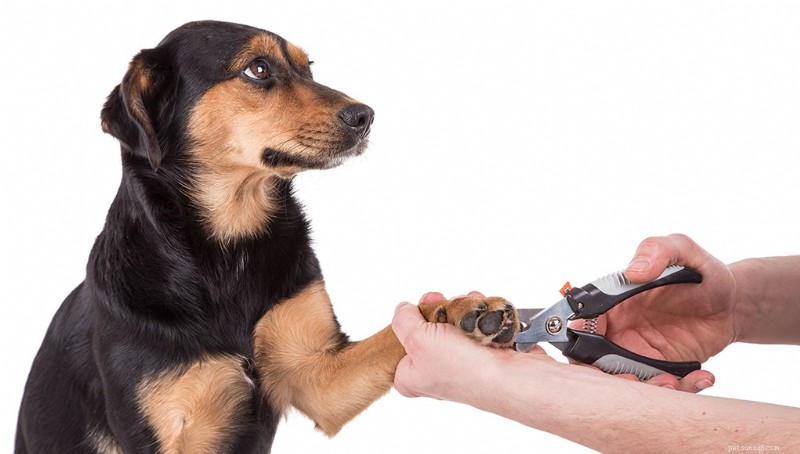
How often should I trim my dog’s nails?
Most dogs need nail trims every 3 to 4 weeks, though active dogs or those walking on hard surfaces may require less frequent maintenance.
Listen for a clicking sound on hard floors—this usually indicates nails are too long and may cause discomfort or breakage.
RELATED: How To Trim Your Dog's Nails
How long do dogs live?
The average canine lifespan is about 10 to 13 years. However, lifespan varies widely by breed, size, genetics, and overall health.
Small breeds often reach 15–18 years, whereas giant breeds may average only 6–10 years. Mixed‑breed dogs generally enjoy longer lives due to greater genetic diversity.
RELATED: How Long Do Dogs Live? Explaining the Life Expectancy of Dogs
Why do dogs scoot their bottoms?

Scooting usually indicates irritation, itching, or discomfort around the anal area. The most common cause is impacted or infected anal glands, which may need manual expression by a groomer or vet.
Other potential triggers include parasites, allergies, or irritants from grooming products or diet. Excessive licking or discomfort when sitting warrants a veterinary evaluation.
RELATED: Dog Scooting: Why is My Dog Dragging Its Butt and How to Stop It
Why does my dog howl or vocalize so much?
Howling is a natural canine communication tool. Breeds such as Huskies, Beagles, and Malamutes are particularly vocal, often howling to express excitement, alertness, or loneliness.
External stimuli—sirens, loud music, or certain tones—can also trigger howling. Frequent howling during your absence may signal separation anxiety or boredom.
RELATED: 7 Tips on Why Do Dogs Howl and How To Get Them to Stop
What is the best diet for my dog?
The optimal diet depends on age, breed, activity level, and any specific health concerns. Some owners choose raw, fresh, or homemade meals, but these require careful planning to ensure complete nutrition.
Ensure a balanced intake of protein, fat, fiber, vitamins, and minerals. Before switching diets, consult a veterinarian or a certified pet nutritionist.
RELATED: Dog Nutrition 101: What Do Dogs Eat

Do I need to vaccinate my dog?
Yes—vaccinations protect against potentially fatal diseases and help curb community spread. Core vaccines—rabies, parvovirus, distemper, and adenovirus—are often legally required.
Non‑core vaccines may be recommended based on lifestyle or geography, including leptospirosis, Bordetella (kennel cough), Lyme disease, and canine influenza.
RELATED:
- Dog Vaccination Schedule (and what shots do puppies need)
- Can You Vaccinate Your Dog At Home?
How much exercise does my dog need?
Exercise requirements vary by breed, age, and health. High‑energy breeds like Border Collies, Huskies, and Labs may need 1–2 hours of vigorous activity daily. Smaller or senior dogs often thrive on 30 minutes of moderate activity.
Insufficient exercise can lead to obesity, anxiety, and destructive behavior, while over‑exercising young puppies or seniors may cause joint issues. Tailor activity to your dog’s needs and build stamina gradually.
RELATED: How Much Exercise Should My Dog Get?
How do I prevent or treat separation anxiety in dogs?

For existing separation anxiety, counter‑conditioning and desensitization are effective training methods. In severe cases, consult a certified behaviorist or a vet for medication or calming supplements.
Prevention involves gradual independence training: start with short departures and return calmly. Puzzle feeders or treat toys create positive associations. Consistent routine and crate training can also reduce anxiety.
RELATED: How To Deal With Puppy Separation Anxiety
How do I potty train or house‑break a puppy?
Potty training hinges on consistency, patience, and supervision. Take your puppy out first thing in the morning, after meals, naps, and play, or every 1–2 hours for very young puppies.
Reward successes with praise or treats. Avoid punishment for indoor accidents; instead, clean with an enzymatic cleaner and reinforce the desired behavior.
RELATED: 20 Puppy Potty Training Hacks
What are the signs of illness, or when should I see a vet?
Common illness indicators: loss of appetite, vomiting, diarrhea, coughing, sneezing, lethargy, excessive thirst or urination, and behavioral changes. If these persist >24 hours, contact your vet.
Urgent signs—difficulty breathing, seizures, bloated abdomen, pale gums, sudden collapse, or inability to urinate—require immediate veterinary attention and may signal life‑threatening conditions.
RELATED: 25 Dog Health Symptoms That You Must Address Right Away
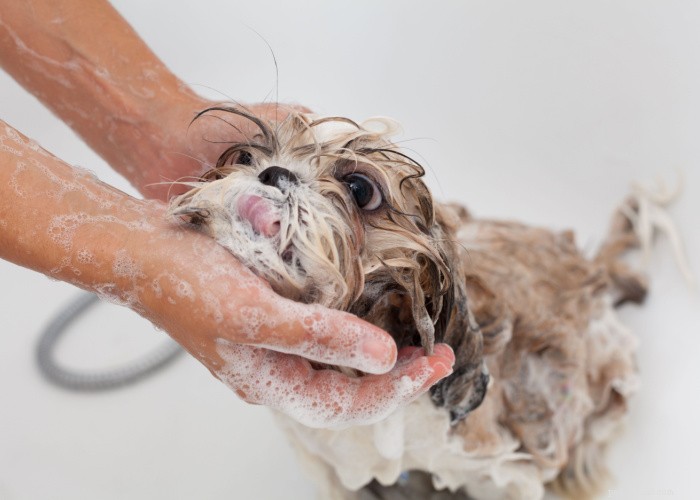
How do I groom my dog (Coat Care, Brushing, Shedding)?
Grooming needs differ by breed and coat type. Short‑haired dogs (e.g., Beagles) may only need occasional brushing; long‑haired breeds (e.g., Golden Retrievers, Shih Tzus) require regular brushing to prevent tangles and mats.
Baths every 4–6 weeks with a gentle, dog‑specific shampoo prevent skin irritation. Also clean ears, trim nails, and brush teeth regularly.
Seasonal shedding peaks in spring and fall. A slicker brush, undercoat rake, or de‑shedding tool helps manage loose hair.
RELATED: Dog Grooming 101: Becoming a Professional Pet Groomer
How can I teach basic obedience commands (sit, stay, recall)?
Begin with positive reinforcement: reward with treats, praise, or toys immediately after the desired behavior. Start with “sit” using a treat as a lure, then move to “stay” and “come” (recall).
Keep training sessions short—5–10 minutes—to maintain focus. Consistency in words, tone, and timing is crucial. Integrate training into daily routines like walks, feeding, and play.
RELATED: 25 Dog Tricks: List of Most Difficult Tricks and Commands to Teach Your Dogs
What breed is right for my lifestyle or environment?
Selecting the right breed requires considering living space, energy level, experience, and family dynamics. High‑energy breeds (Border Collie, Husky) need ample space and stimulation; calmer breeds (Bulldog, Basset Hound) thrive in quieter homes.
Apartment dwellers may prefer lower‑energy dogs like French Bulldogs or Cavalier King Charles Spaniels. Families with children often choose friendly, adaptable breeds such as Labs, Golden Retrievers, or Boxers.
Research temperament, grooming needs, size, and health concerns before deciding.
RELATED: TOP #2: Adopting a Puppy for Your Lifestyle
How important is socialization?
Socialization is essential for puppies and adult dogs to become confident, well‑adjusted companions. Begin early—ideally between 3 and 14 weeks—by gradually exposing your puppy to new people, places, noises, animals, and surfaces.
Avoid overwhelming your dog or exposing them to aggressive or uncontrolled animals too soon. Structured environments such as obedience classes or calm meet‑ups help build confidence over time.
Proper socialization reduces anxiety, fear, and aggression in unfamiliar situations.
RELATED: The Puppy Socialization Checklist
Should I get pet insurance, and how does it work?
Pet insurance can be a valuable financial safeguard against unexpected veterinary costs—including accidents, illnesses, and sometimes routine care.
Like human health insurance, you pay a monthly premium, and the plan reimburses covered expenses. Plans fall into three categories: accident‑only, accident + illness, and wellness. Coverage levels, deductibles, and payout caps vary, so read the fine print.
Insurance offers peace of mind, especially if you own a breed prone to health issues or cannot comfortably absorb sudden large expenses. Compare providers and understand exclusions to find the best fit.
RELATED: Do You Need Pet Insurance? Your Guide to Insuring Your Pets

Most‑Asked Questions From Dog Owners: Before You Go…
We hope this guide clarifies your dog’s health, care needs, and more!
Have additional questions not covered here? Email us at stuff@topdogtips.com or reach out on Facebook and Instagram.
Send adorable videos of your dog or cat to topdogtipsvideo@gmail.com for a chance to be featured.
Related Articles
- 12 Most Common Questions I'm Asked About Homemade Dog Food
- 50 Dog Adoption Questions Shelters Ask
- 27 Questions to Ask Yourself to Know If You're Ready for a Dog
Comments are closed for this post.
- Pet Behavior
- Pet Breeds
- Pet Names
- Pet Adoption
- Pet Training
- Pet Information
- Pet Health
- Adorable Pets
- Dogs
- Setting Family Boundaries When Adding a New Dog: Expert Advice
- How Dogs Perceive You: The Science Behind Their Intuitive Bond
- Indoor & Weather‑Safe Pet Exercise Tips During Quarantine
- Can Dogs Thrive with a Heart Murmur? Expert Guidance for Pet Owners
- DIY Oatmeal Dog Shampoo: Gentle, Affordable, and Soothing for Sensitive Skin
- Inside Dognition: How Our Membership Unlocks Your Dog’s Brain
- Choosing the Ideal Lifejacket for Your Dog: Safety First