

Does Playing Tug of War Make Dogs Aggressive? Myths Debunked
A common rumor circulates in the dog community: "Will playing tug make my dog aggressive?" It’s understandable to worry, especially when the game feels competitive and a growl appears. In this article we’ll explore the truth behind tug‑of‑war, clarify common misconceptions, and give you practical tips for safe, enjoyable play.
Will tug make my dog aggressive?
Playing tug with your dog does not inherently cause aggression. When taught with clear rules, tug can improve impulse control, boost confidence, and deepen the human‑dog bond. The game can become a trigger for misbehavior only if the dog has not yet learned self‑regulation.
Professional trainers, including myself, often use tug as a reward or a reinforcement tool during obedience and agility work. Research shows that dogs that enjoy regular tug sessions are typically more confident, not more aggressive.
Where did the myth originate?
The belief that tug‑of‑war breeds aggression stems from two misunderstandings:
- Seeing vigorous pulling as a sign of hostility or a heightened desire to bite.
- Assuming the game overstimulates a dog’s predatory instincts, leading to dominance issues.
Early animal‑behavior literature, combined with limited scientific data and anecdotal theories, helped spread this myth. Modern trainers, backed by contemporary research, now agree that tug is a healthy, stimulating activity when managed correctly.
Do I have to win the game?
No. The outdated “dominance” theory suggested that owners must win to remain the "alpha," but studies published in the Journal of Applied Animal Welfare Science disproved this. Dogs don’t need a hierarchy; they simply need a fun, engaging partner.
In fact, letting your dog win occasionally—while still providing a moderate challenge—reinforces positive behavior and keeps the game enjoyable.
Benefits of playing tug
- Bonding: One‑on‑one time strengthens trust and emotional connection.
- Physical exercise: Engages neck, shoulder, and leg muscles—great for rainy or hot days.
- Mental stimulation: Requires focus, problem‑solving, and decision‑making.
- Impulse control: Commands like “take it” and “drop it” teach self‑regulation.
- Confidence building: Winning a round boosts self‑esteem, especially in shy or anxious dogs.
- Training reinforcement: Serves as a high‑value reward during obedience work.
- Energy outlet: Channels excess energy, reducing destructive behaviors.
- Cooperation: Encourages teamwork between you and your dog.
- Oral health: Chewing a textured rope or rubber toy can help clean teeth and strengthen jaw muscles.
What actually causes aggression?
Aggression is a complex behavior that can arise from many sources. Common contributors include:
- Genetics: Certain breeds or bloodlines may have a predisposition toward reactive behavior.
- Lack of socialization: Dogs unfamiliar with other dogs or people may react fearfully.
- Past abuse: Traumatic experiences can heighten defensive aggression.
- Fear‑based training: Harsh methods (e.g., e‑collars, prong collars) can create anxiety‑driven aggression.
- Illness or pain: Discomfort often leads to irritability.
- Territorial or resource guarding: Protecting food, toys, or space can trigger aggression.
Identifying the root cause and working with a qualified trainer or behaviorist using positive‑reinforcement methods is essential for managing aggression.
Play vs. aggression
Tug mirrors natural predatory motions—specifically the “bite‑kill” pattern—making it instinctively appealing. In a safe, controlled setting, the game allows dogs to practice these drives without harmful outcomes. Play also releases endorphins, reinforcing the fun factor.
Tips for safely playing tug
- Choose the right toy: Use a durable, easy‑to‑grip rope or rubber bar that keeps your hands away from the dog’s mouth.
- Use side‑to‑side motion: Avoid up‑and‑down jerks; horizontal pulls are gentler on the neck.
- Teach clear cues: Commands such as “take it,” “drop it,” and “leave it” keep the game under control.
- Let your dog win sometimes: Winning boosts confidence and keeps the dog eager to play.
- Watch body language: Look for signs of stress or aggression (rigid posture, pinned ears, high tail).
- Take regular breaks: Prevent overstimulation by pausing the game.
- Reward good behavior: Praise, treats, or extra play when the dog follows cues.
- Only use the toy: No direct skin contact; the toy is the only point of interaction.
- Adjust for age and size: Gentle sessions for puppies and seniors; stronger pulls for healthy adults.
Warning signs of aggression during tug
Distinguishing play from aggression can be tricky. Look for these red flags:
- Stiff, forward‑leaning posture.
- Ears pinned back and tail held high.
- Low‑pitched growl with snarling.
- Bared teeth without a relaxed mouth.
- Absence of play signals (e.g., play bow).
If several of these appear together, pause the game and calm your dog before resuming.
Tug toys we recommend
The All‑Rounder
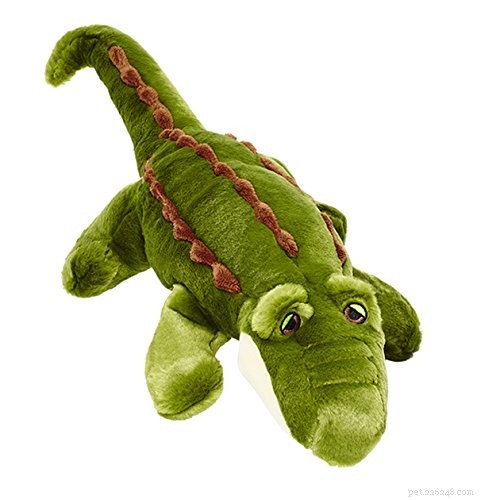
- 23‑inch tough “gator” rope with double stitching – durable and great for larger dogs.
- Versatile: tug, throw, or squeak (optional).
- No eyes or nose to shred; built to last years.
Toughest Tug
- Hemmed jute, same material used in professional bite suits.
- Two handles for a secure grip and to protect your hands.
- No squeaker – ideal for households that prefer quiet play.
For Ball Lovers
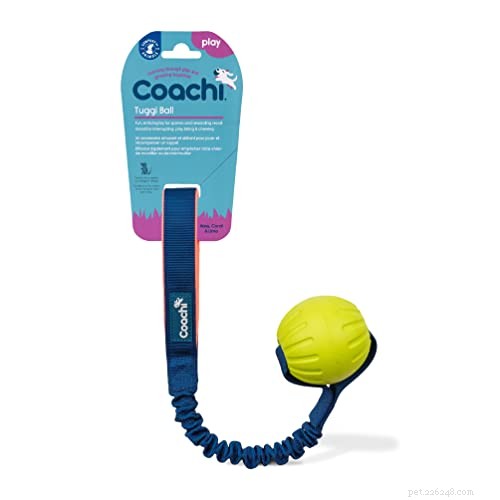
- Combines a ball‑like shape with a bungee handle to absorb shock.
- Great for dogs that love fetching but need a low‑impact tug option.
These links may be affiliate links; I earn a small commission without any bias to my recommendation.
Remember, you don’t need expensive gear—an old t‑shirt, a sturdy rope, or even a denim jean can become a perfect tug toy.
Conclusion
Tug‑of‑war is far more than a simple game. When played responsibly, it provides bonding, physical exercise, mental stimulation, and valuable training opportunities—all without making your dog aggressive. Not every dog will love tug, and that’s okay; explore other games if needed, but give tug a fair try.
Grab a safe toy, set clear rules, and enjoy the rewarding experience of playing tug with your furry companion.
About the Author
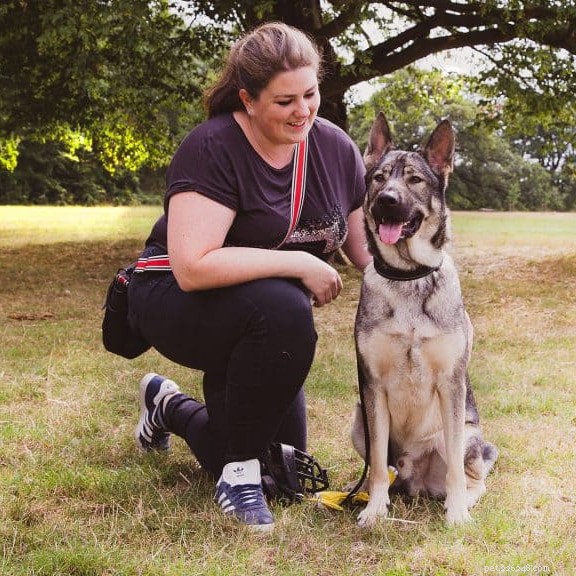
Ali Smith is a multi‑award‑winning, qualified trainer and founder of Rebarkable. She advocates force‑free, kindness‑based methods and strives to make reliable dog‑training information accessible to all guardians.
Ali lives in Maryland, USA, with her husband and three beloved dogs.
- Pet Behavior
- Pet Breeds
- Pet Names
- Pet Adoption
- Pet Training
- Pet Information
- Pet Health
- Adorable Pets
- Dogs
- Comprehensive Pet Rehabilitation: Enhancing Quality of Life
- Understanding Beagle Behavior: Traits, Temperament, and Care Tips
- Can Dogs Detect Bats? Exploring Their Hearing of Bat Ultrasound
- Mastering Dog Sign Language: Boost Training Success with Hand Signals
- Canine Otitis Externa: Causes, Symptoms, and Effective Treatments
- Understanding Tumors in Rats: Causes, Symptoms, and Care
- Adopting a Bunny for the Holidays: Tam Tangonan’s Joyful Journey