

How to Properly Puppy‑Proof Your Home and Yard (2026 Guide)
Welcoming a new puppy is exciting, but their curiosity can turn your home into a hazard zone. Like baby‑proofing, puppy‑proofing protects both your pup and your belongings.
Why Puppy‑Proofing Is Essential
Puppies explore everything with their mouths. Everyday items—medicines, cleaning products, cords, and certain plants—can be dangerous. In the yard, poisonous plants, chemicals, and fence gaps pose additional risks. Proper puppy‑proofing reduces the chance of injuries, costly vet bills, and household damage caused by chewing and chewing during teething.
How to Puppy‑Proof Your Home
Follow these room‑by‑room steps to create a safe indoor environment.
Living Areas
- Secure loose cords: Use cord protectors or conduit tubing to keep electrical wires out of reach.
- Remove small chewable items: Store remote controls, shoes, children’s toys, and anything that could be swallowed.
- Protect furniture corners: Install edge bumpers to prevent injuries from sharp corners.
Kitchen
- Lock away cleaning supplies: Keep chemicals in locked cabinets.
- Secure trash cans: Use containers with locking lids or store them inside a cabinet.
- Close appliances: Ensure dishwashers, ovens, and refrigerators are shut when not in use.
- Clear countertops: Remove food and temptations that encourage counter‑surfing.
- Cover cat litter boxes: Prevent your puppy from digging in them.
Bathrooms
- Keep toilet lids closed: Deters drinking from the bowl.
- Store medications and grooming tools: Keep pills, razors, and toilet paper out of reach.
Bedrooms
- Block access under beds: Use mesh or lattice panels.
- Cover power strips: Prevent chewing on exposed cords.
- Secure cosmetics and jewelry: Store them in containers your puppy cannot open.
Garage
- Store de‑icers and cleaning agents safely: Keep them locked away and out of your puppy’s reach.
Each home is unique, so adapt these tips to fit your space and your puppy’s behavior.
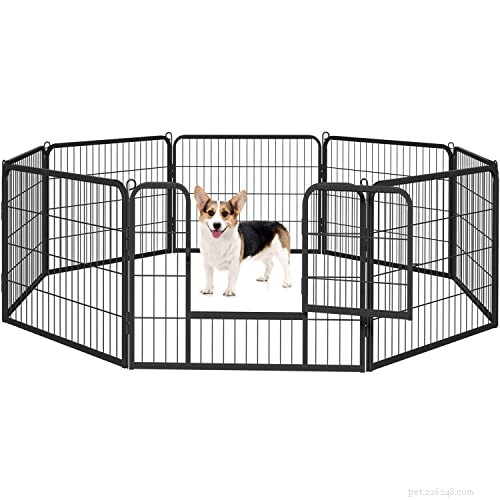
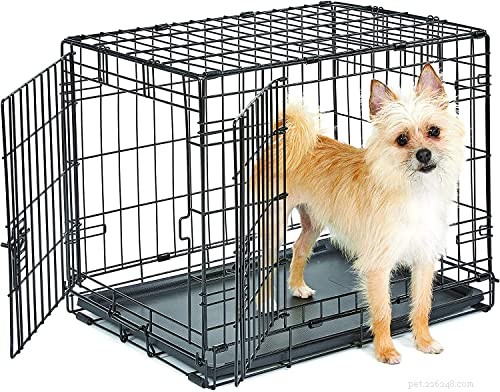
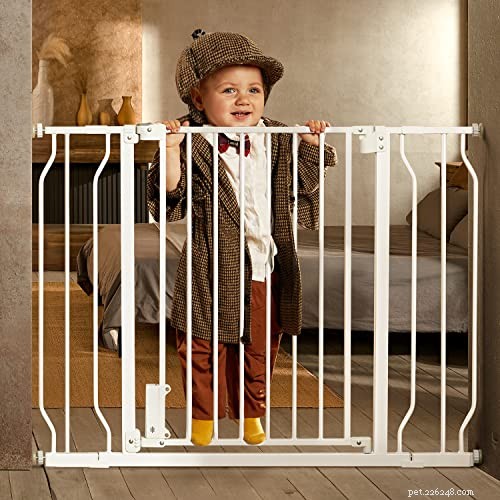
Heavy‑duty playpens, sturdy crates with dividers, and adjustable pet gates are valuable tools for containing and protecting your pup.
How to Puppy‑Proof Your Yard
Outdoor safety is just as important. Follow these steps to create a secure play area.
Gardens and Lawns
- Remove toxic plants: Lilies, sago palm, oleander, and others should be eliminated or placed out of reach.
- Use pet‑friendly lawn products: Choose fertilizers and pesticides labeled safe for animals and keep puppies away until they dry.
- Store gardening tools securely: Rakes, shovels, and pruners belong in a locked shed.
Pools, Ponds & Hot Tubs
Supervise all water features. Some breeds (e.g., French Bulldogs) cannot swim, and chemicals are hazardous.
Fencing
- Inspect for gaps: Repair holes that a curious pup could squeeze through.
- Secure gates: Install self‑closing, self‑latching mechanisms.
- Consider fence height: Choose a height appropriate for your puppy’s breed and jumping ability.
Safe Plants
- Eliminate dangerous flora: Remove any toxic or sharp plants.
- Introduce pet‑friendly varieties: Lavender, chamomile, and other non‑toxic herbs create a pleasant, safe garden.
Garbage and Compost
- Secure compost bins: Use lockable containers or fence them off.
- Lock outdoor trash cans: Prevent rummaging through potentially harmful waste.
Keeping It Safe Over Time
Puppy‑proofing is an ongoing process that evolves with your dog’s growth.
1. Regular Checks
- Inspect the house and yard weekly for new hazards.
- Adjust barriers as your puppy learns to reach higher or jump farther.
2. Involve Kids
- Teach children to keep doors closed, store toys, and avoid leaving small objects on the floor.
- Supervise all interactions between kids and the puppy.
3. Training Is Key
- Teach commands such as “leave it” and “drop it” using positive reinforcement.
- Redirect unwanted chewing to appropriate toys or chews.
- Use crate training for safe containment when you cannot supervise.
4. Seek Professional Help
If you struggle to maintain a safe environment, consult a certified dog trainer or animal behaviorist for personalized advice.
5. Provide Proper Chewing Outlets
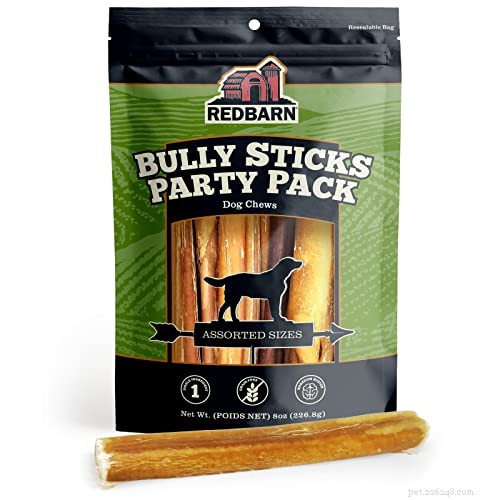
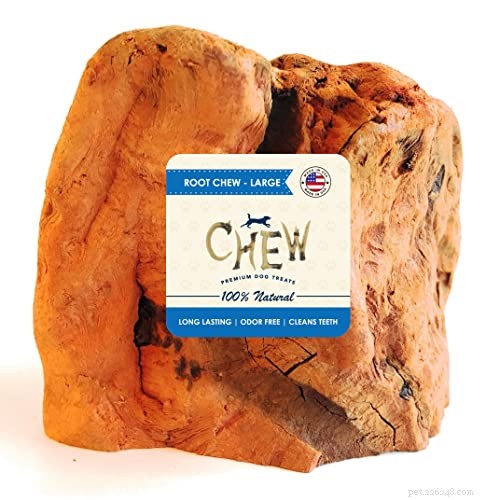
Puppies need to chew. Offer durable, pet‑safe chews that match the texture they crave. This reduces the temptation to chew on unsafe items like rubber bands or plastic bags.
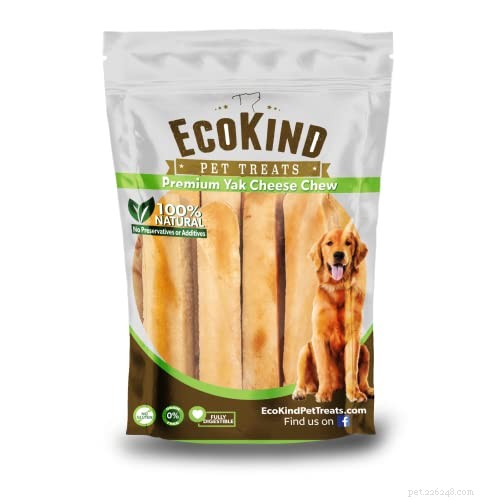
These long‑lasting chews can help relax your pup and keep them occupied.
Conclusion
Puppy‑proofing creates a safe, welcoming space for your new companion to explore and learn. It’s a continuous effort that requires vigilance, family cooperation, and consistent training. By staying proactive, you’ll enjoy a harmonious home and a happy, healthy puppy.
Grab our free puppy‑proofing checklist!
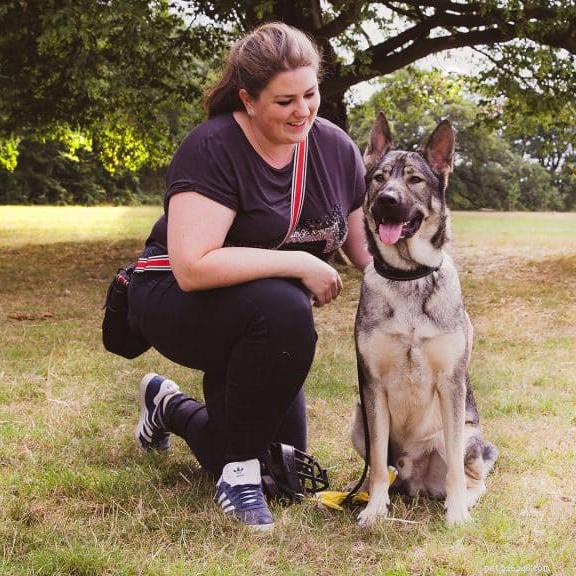
About the Author
Ali Smith is a multi‑award‑winning, qualified dog trainer and founder of ReBarkable. Based in Maryland, USA, she promotes kindness‑first, force‑free training methods and strives to make dog training accessible to all guardians.
- Pet Behavior
- Pet Breeds
- Pet Names
- Pet Adoption
- Pet Training
- Pet Information
- Pet Health
- Adorable Pets
- Dogs
- Why Your Dog’s Food Matters for Heart Health
- Decoding Your Cat’s 6 Most Common Sounds: What They Really Mean
- Parakeet Sleep Patterns & Vet‑Recommended Cage Essentials
- Balancing Care and Cost: The True Price of Extending Your Pet’s Life
- Meloxicam for Dogs: Safe Pain Relief & Anti-Inflammatory Benefits
- Chizzy Akudolu Donates Time to Mitcham Homing Centre, Caring for Cats
- Explore 11 Dutch Dog Breeds: History, Traits & Photos