

Hypertrophic Osteodystrophy vs. Panosteitis in Puppies: Symptoms, Diagnosis, and Management
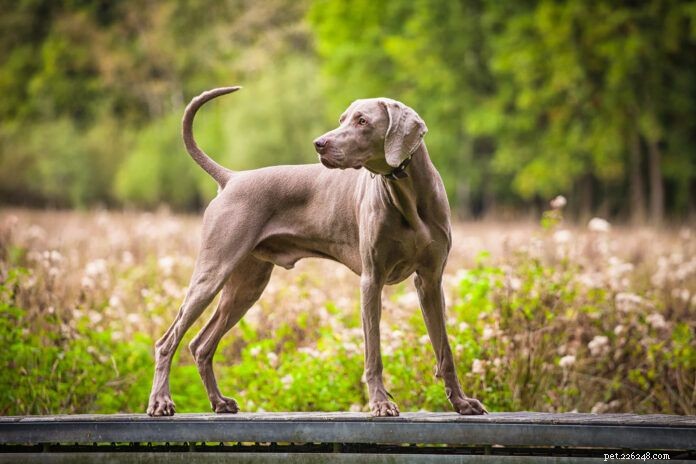 The beautiful Weimaraner dog can be severely affected by hypertrophic osteodystrophy. Credit: Dado Daniela | Getty Images
Hypertrophic osteodystrophy (HOD) and panosteitis (pano) are the two classic developmental lamenesses seen in large‑ and giant‑breed puppies. Both conditions are painful, but most dogs outgrow them as their growth plates close.
German Shepherds have a particularly high risk for panosteitis, especially the largest male in a litter. Incidence peaks in the fall and is most common in the northeastern United States. Weimaraners are the poster breed for HOD, and Great Danes also have a high predisposition.
Typical Presentation
Panosteitis – Puppies often appear restless because the lameness shifts from one limb to another. For example, a right front leg may be sore on Monday, while the left front leg is affected on Wednesday. Most affected dogs recover fully, though occasional recurrences can occur.

Hypertrophic osteodystrophy – The pain is usually more severe and may be accompanied by fever, loss of appetite, and lethargy. HOD typically affects both front legs (bilateral) and can lead to swelling near the metaphysis of long bones. While many dogs recover, some develop growth‑plate deformities, and very severe cases can be fatal.
Diagnosis
Physical examination is the first step. Palpation of long bones is painful in pano, especially in the forelimbs. In HOD, the metaphyseal region often feels swollen.
Definitive diagnosis for both conditions requires radiographs. Early X‑rays may appear normal, so veterinarians also rely on history and clinical signs. Radiographs also help rule out more serious conditions such as osteosarcoma and osteomyelitis.
Treatment and Care
Both disorders are managed primarily with pain control and activity restriction. Non‑steroidal anti‑inflammatory drugs (NSAIDs) are commonly prescribed. Supportive care—adequate rest, a balanced diet, and monitoring for fever or appetite loss—is essential.
Prevention Strategies
Because genetics play a major role, absolute prevention is unlikely. However, owners can reduce risk by feeding a large‑breed‑formulated puppy food that meets AAFCO standards for large‑breed growth. Overfeeding, especially excess protein, has been linked to panosteitis, though it is not definitively causal.
When selecting a puppy, ask the breeder about any history of HOD or pano in the parents or relatives. Responsible breeders will provide this information.
By the time a large‑breed dog reaches 12–18 months (up to 24 months for giants), the growth plates have usually closed, and the risk of these conditions diminishes.

- Pet Behavior
- Pet Breeds
- Pet Names
- Pet Adoption
- Pet Training
- Pet Information
- Pet Health
- Adorable Pets
- Dogs
- Chizzy Akudolu Donates Time to Mitcham Homing Centre, Caring for Cats
- 155 Classic Vintage Dog Names for Your New Companion
- Why Is My Cat Pooping Outside the Litter Box? Common Causes & Expert Solutions
- Professional Canaan Dog Training: Techniques & Tips
- 12 Stunning Orange Cat Breeds for Families: Beautiful, Friendly, and Irresistible
- Why Is My Hamster Suddenly Biting? Proven Ways to Stop the Bites
- Meet Dante: The Adorable Ragdoll Cat of the Week