

How to Respond When Your Dog Is Hyperventilating
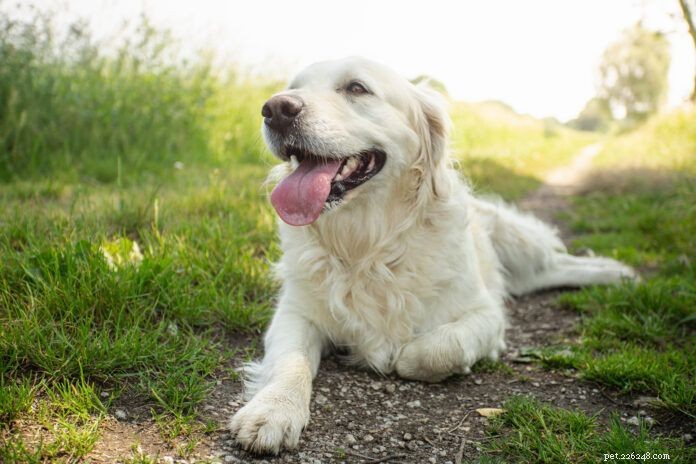
Understanding Normal Panting vs. Hyperventilation
Dogs pant to regulate temperature, relieve stress, or recover after exercise. This type of panting is usually shallow, rhythmic, and resolves once the dog cools down.
When Rapid Breathing Is a Warning Sign
Persistent, deep, or labored breathing that doesn't subside when the dog is at rest may indicate hyperventilation—a potentially serious condition. Other signs include drooling, trembling, pale gums, or collapse.
Immediate Steps to Take
- Stay Calm and Observe. Note the breathing rate (normal is 10‑30 breaths per minute) and any accompanying symptoms.
- Cool the Dog. Move the dog to a cooler area, offer fresh water, and gently fan or apply a cool, damp cloth to the neck.
- Limit Activity. Stop any exercise or excitement and allow the dog to rest.
- Check for Underlying Issues. Look for signs of heatstroke, pain, anxiety, or exposure to toxins.
When to Call the Veterinarian
If rapid breathing continues for more than a few minutes, the dog shows signs of distress (e.g., vomiting, diarrhea, seizures), or you suspect heatstroke or an allergic reaction, seek veterinary care immediately.
Early intervention can prevent complications and ensure your pet receives appropriate treatment.
- Pet Behavior
- Pet Breeds
- Pet Names
- Pet Adoption
- Pet Training
- Pet Information
- Pet Health
- Adorable Pets
- Dogs
- Is Turkey Safe for Dogs? Vet-Approved Thanksgiving Menus for Pets
- 10 Cat Breeds That Speak Volumes: The Most Expressive Faces
- The Science Behind Why Dogs Choose Specific Spots to Pee
- Is Ground Beef Safe for Dogs? Benefits & Feeding Tips
- 13 Delightful Cats Embracing the Joy of Christmas
- Corn Snake Feeding Guide: Optimal Schedule, Tips & Diet
- Spay/Neuter in Dogs: A Balanced Look at Long-Term Health Risks & Benefits