

How to Soothe Your Dog’s Irritated Anus
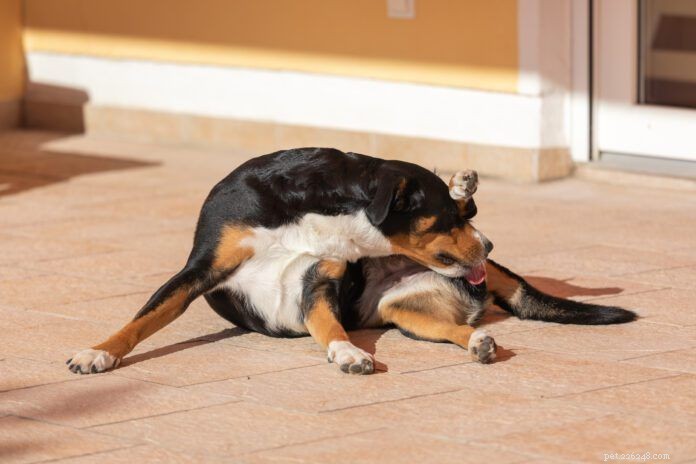
An irritated anus can be extremely uncomfortable for a dog. Keeping the area clean, applying warm compresses, and using pet‑safe medications can relieve itching while you investigate the underlying cause.
Quick Relief for an Irritated Anus
You can safely provide immediate comfort at home with these simple steps:
- Clean the area gently. Use a warm, damp cloth or pet‑safe wipes to remove dried stool, scabs, or discharge. Soak stubborn debris first to soften it, then wipe carefully to avoid further pain.
- Apply a warm compress. Hold a warm (not hot) damp cloth against the anus for 5–10 minutes, several times a day. Test the temperature on your wrist; if it feels hot to you, it’s too hot for your dog.
- Use a pet‑safe ointment. Apply a thin layer of a veterinary‑approved ointment, such as Veterinus Derma GeL, which is safe if licked and offers antimicrobial and analgesic benefits.

Common Reasons Dogs Lick Their Butt
Understanding the root cause is essential for long‑term relief. Below are the most frequent culprits:
Diarrhea
Loose stools can irritate the skin around the anus and become trapped in the fur. Clean the area after each episode with a damp cloth or hose. If diarrhea persists more than two days, or is accompanied by vomiting, seek veterinary care promptly. For short‑term cases, a 12‑hour fast followed by a bland diet may help.
Anal Gland Problems
The two anal glands release a scented fluid during defecation. Overfilling, impaction, or infection causes discomfort, leading to scooting, licking, or chewing. Minor impactions can often be expressed manually; ask your vet to show you the technique or have a professional do it. Warm compresses can also ease pressure while you await a vet visit.
Allergies
Allergic dogs commonly scratch or chew their perianal area. Triggers include seasonal pollens, dust, indoor allergens, and food ingredients. Your vet can identify the source and may recommend diet trials, antihistamines (e.g., Benadryl 1 mg lb⁻¹), or prescription treatments such as Cytopoint, Apoquel, or Zenrelia.
Fleas
Flea bites near the hindquarters can cause intense itching, especially in dogs with flea‑allergy dermatitis. Treat with a prescription‑grade flea preventive for at least three months, bathe with a mild soap (e.g., Dawn), and thoroughly clean the home environment.
Perianal Fistula
These are painful, draining tracts that appear as small holes with bloody or purulent discharge. Prompt veterinary evaluation is required.
Perianal Tumors
Both benign and malignant tumors can develop near the anus, more often in intact males. Neutering may resolve benign growths, while malignant tumors typically need surgical removal.
While awaiting veterinary care for any of the above conditions, continue using a dog‑safe ointment to keep the skin protected.
When to See a Veterinarian
Contact your vet promptly if your dog shows any of the following signs:
- Diarrhea lasting more than two days or accompanied by vomiting
- Frequent scooting or persistent licking/chewing of the rear end
- Visible sores, wounds, or bleeding around the anus
- Pus or other discharge from the perianal area
- Continuous itchiness despite home treatment
- A new lump or mass near the anus

- Pet Behavior
- Pet Breeds
- Pet Names
- Pet Adoption
- Pet Training
- Pet Information
- Pet Health
- Adorable Pets
- Dogs
- Enhancing Your Partnership with Your Dog: Key Tips for Better Teamwork
- Feline Leukemia Virus (FeLV): Symptoms, Prevention & Impact on Your Cat’s Health
- How Live Sand Enhances Biological Filtration in Your Saltwater Aquarium
- 17 Cats That Watch Your Every Move
- Trusted Veiled Chameleon Breeders in the USA – 2022 List & Buying Guide
- Why One-Year vs Three-Year Rabies Vaccines Are Essentially the Same
- Highland Cattle: Iconic, Premium Quality Beef Breed