

How to Properly Clean and Sanitize Dog Toys
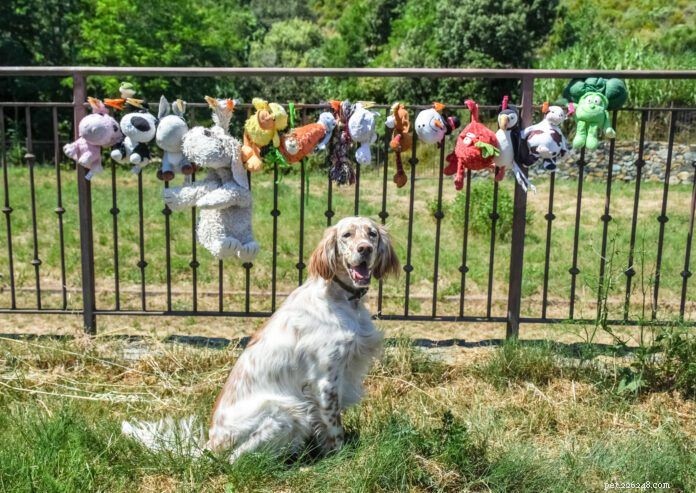 You can and should wash your dog’s toys, but be sure they’re thoroughly dry inside and out before letting your dog have them—no matter how much she begs. Credit: Sir Francis Canker Photography | Getty Images
Cleaning dog toys may seem like a small chore, yet it’s essential for your pet’s health. Toys are constantly exposed to dirt, saliva, bacteria, and even feces, which can turn them into breeding grounds for germs and allergens. Knowing the right cleaning method for each material, when to sanitize, and when to toss a toy can keep your pup safe, especially in multi‑pet households.
Cleaning Plastic and Rubber Toys
Most rubber or hard‑plastic toys can be cleaned with hot, soapy water. Use a mild dish soap and a scrub brush to reach crevices, then rinse well. For added sanitation, place the toys on the top rack of a dishwasher and run a normal cycle. After washing, rinse the toys in a solution of equal parts white vinegar and warm water to eliminate any soap residue. Allow them to air‑dry completely before returning them to your dog.
Washing Fabric, Plush, and Rope Toys
Plush and other fabric‑based toys are usually machine‑safe. Use a gentle cycle with hot water and a pet‑safe, unscented detergent (or a cup of white vinegar for extra deodorizing). Remove any squeakers and wash them separately. Tumble dry on low heat or air‑dry to preserve stitching.
Rope toys require special care because they retain moisture. Soak them in boiling water mixed with a splash of white vinegar, then rinse thoroughly. Ensure they are completely dry before use to prevent mold and bacterial growth.
Sanitizing Toys When Illness Is a Concern
If a contagious disease such as parvovirus is suspected, regular soap and water are insufficient. A diluted bleach solution—½ cup of bleach per gallon of water (1:30 ratio)—can be used to sanitize hard, non‑porous toys. Soak the toys for at least 10 minutes, then rinse thoroughly before a final wash or dishwasher cycle.
Only apply bleach to toys that can tolerate it (solid rubber or hard plastic). Bleach can damage porous, plush, bone, or wooden toys, so those should be discarded instead of sanitized.
When to Discard a Dog Toy
Regularly inspect each toy for signs of wear: broken pieces, loose squeakers, frayed strings, or shredded stuffing. Any damage that creates sharp edges or choking hazards warrants immediate disposal. When in doubt, replace the toy—preventing a vet visit is always cheaper than a broken toy.
Final Tips
Make toy cleaning a routine habit. Clean toys weekly for heavy users and monthly for occasional toys. Proper drying is as important as washing; damp toys invite bacteria and mold. By keeping toys clean, you protect both your dog’s health and the longevity of the toys.

- Pet Behavior
- Pet Breeds
- Pet Names
- Pet Adoption
- Pet Training
- Pet Information
- Pet Health
- Adorable Pets
- Dogs
- Can Guinea Pigs Safely Eat Sugar Snap Peas? Expert Nutrition Guide
- What Ducks Need: The Complete Guide to Feeding and Caring for Ducklings
- How to Safely Express Your Dog’s Anal Glands: A Guide for Pet Owners
- Understanding Siberian Husky Behavior: Traits, Temperament & Care Tips
- How Many Nipples Do Dogs Have? A Scientific Answer
- Are Siamese Cats Truly Hypoallergenic? What Science Says
- Is Cabbage Safe for Dogs? Vet-Approved Tips & Facts