

Can Guinea Pigs Safely Eat Sugar Snap Peas? Expert Nutrition Guide
When you enjoy a crisp bite of sugar snap peas, it’s natural to wonder if your small companion can share in the crunch. These pods offer a sweet, nutrient‑rich treat, but the priority for any pet owner is safety and balanced nutrition. Below is a comprehensive, vet‑backed review that covers the nutritional profile, recommended portions, potential risks, and practical feeding tips for guinea pigs.
Understanding Your Guinea Pig’s Dietary Foundations
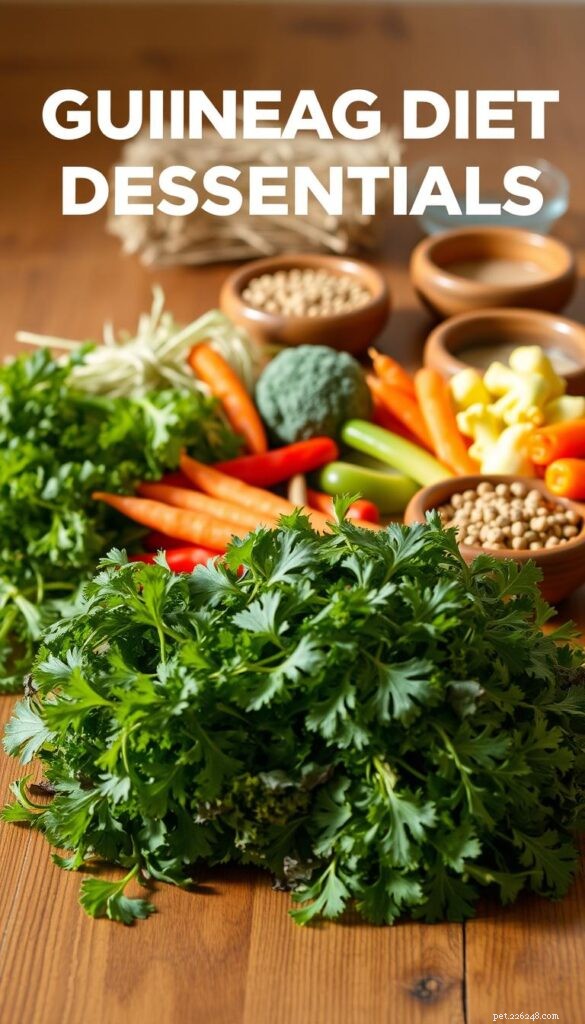
Guinea pigs require a diet that mirrors their natural herbivorous intake: high fiber, low sugar, and continuous access to fresh greens. A well‑structured menu supports digestive health, dental wear, and overall vitality.
Core Components: Hay, Pellets, and Fresh Greens
Timothy hay should account for 75 % of daily intake, providing the roughage needed for chewing and teeth maintenance. Pellets (¼ cup) offer a balanced nutrient base, while fresh vegetables (1 cup) contribute essential vitamins and hydration.
| Food Type | Daily Amount | Key Benefits |
|---|---|---|
| Timothy Hay | Unlimited | Digestive health, dental care |
| Pellets | ¼ cup | Balanced nutrients |
| Fresh Vegetables | 1 cup | Vitamins & hydration |
Building a Balanced Plate
While hay supplies bulk, the inclusion of vitamin‑rich greens such as romaine lettuce or bell pepper delivers necessary vitamin C, which guinea pigs cannot synthesize. For example, one ounce of red bell pepper provides 150 % of the daily vitamin C requirement. Introduce new foods slowly to avoid digestive upset.
Nutritional Profile of Sugar Snap Peas
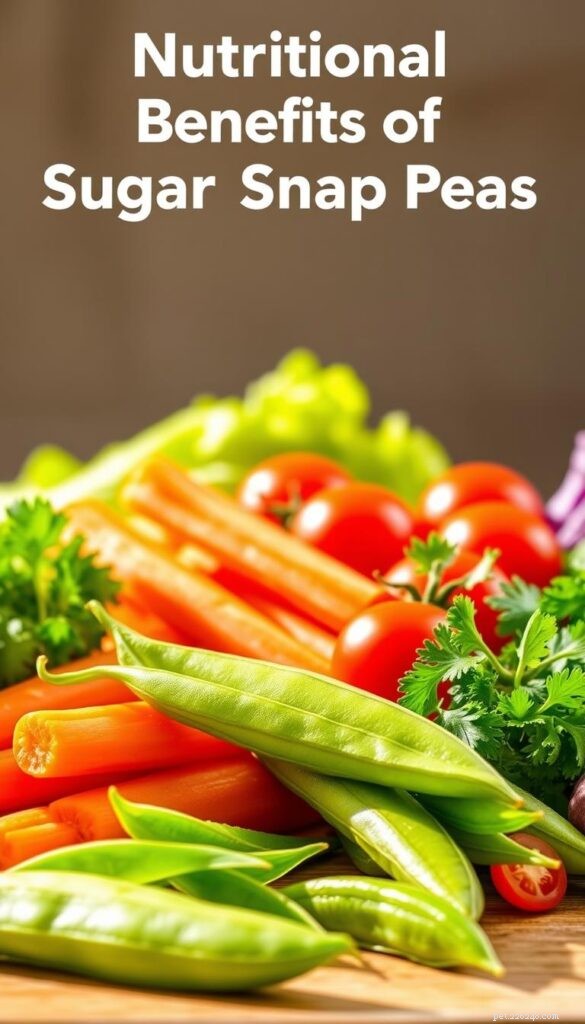
These vibrant green pods are more than a crunchy snack; they supply a blend of vitamins, minerals, and fiber that supports overall health.
Key Nutrients
Vitamin C is paramount for immune function and tissue repair; a half‑ounce serving contributes 15 % of a guinea pig’s daily need. The pods also contain vitamin K (blood health), folate (cell growth), manganese (bone development), potassium (nerve function), and 2 g of fiber per ounce, aiding smooth digestion.
Comparison With Common Vegetables
| Vegetable | Fiber (g/oz) | Sugar (g/oz) | Vitamin C (mg) |
|---|---|---|---|
| Sugar Snap Peas | 2.0 | 1.4 | 7.5 |
| Carrots | 0.8 | 2.3 | 0.6 |
| Bell Peppers | 0.6 | 1.2 | 32.0 |
| Green Beans | 1.2 | 0.3 | 3.1 |
While bell peppers lead in vitamin C, sugar snap peas provide superior fiber and a balanced sugar level, making them a prudent choice when portioned appropriately.
Is It Safe to Offer Sugar Snap Peas?
Online forums and experienced caretakers consistently rank sugar snap peas as a safe, occasional treat. Moderation is key—most owners give 1–2 pods 2–4 times per week.
Community Consensus
| Vegetable | Weekly Frequency | Portion Size |
|---|---|---|
| Sugar Snap Peas | 2–4 times | 1–2 pods |
| Bell Peppers | Daily | 1 slice |
| Carrots | 3 times | 1 thin stick |
Owners often share a portion of fresh produce, citing the crunchy texture as a natural aid to dental wear. Always observe stool consistency and overall behavior after introducing new items.
Potential Risks and Health Considerations
Sugar Management
Even healthy vegetables contain natural sugars that can impact weight and blood glucose if overconsumed. Below is a quick sugar comparison:
| Vegetable | Sugar per Ounce | Safe Weekly Servings |
|---|---|---|
| Snap Peas | 1.4 g | 2–3 pods |
| Blueberries | 3.0 g | 1–2 berries |
| Carrots | 2.3 g | 3 thin slices |
Dr. Emily Torres, an exotic animal specialist, recommends rotating lower‑sugar options like cucumbers to maintain a balanced intake. Keep the total daily sugar from all sources below 5 g.
Chewing Dynamics
Guinea pigs have continuously growing incisors and rely on fibrous foods to grind and wear down their teeth. They naturally process food into small particles and can chew at 200+ cycles per minute. Properly sized, fresh veggies minimize choking risk, but any sudden dietary change can cause softer stools or reduced appetite.
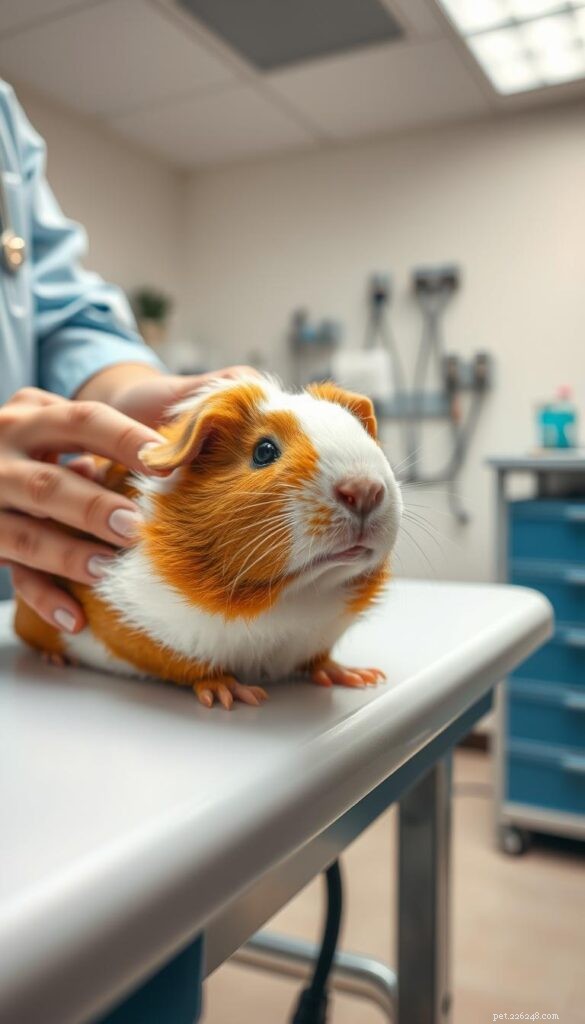
When in doubt, consult your veterinarian. Regular check‑ups help detect early signs of digestive or urinary issues.
Feeding Guidelines and Serving Suggestions
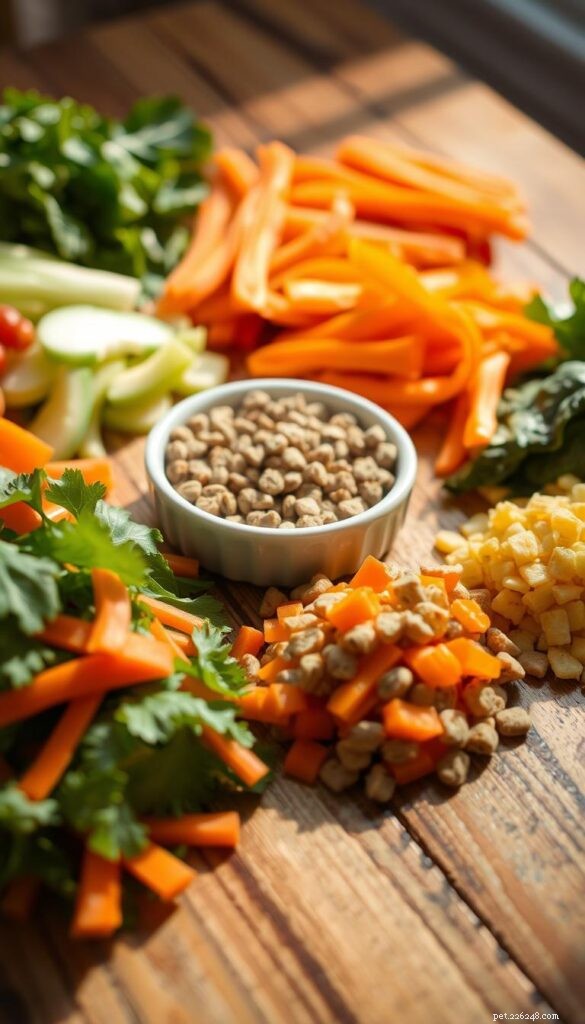
How Often to Offer
Adopting a routine of 1–2 pods 2–4 times weekly distributes sugar intake and keeps meals interesting.
Proper Portion Control
Each pod is a complete snack, but portions should align with the guinea pig’s age and size:
- Adult: 1–2 pods per feeding
- Juvenile: start with half a pod
- Senior: monitor chewing ability and adjust accordingly
Remember to count treats toward the daily vegetable allowance (≈1 cup). Dr. Sarah Miller emphasizes that “balanced, varied meals prevent digestive upset.”
Comparing Sugar Snap Peas to Other Veggies
Carrots vs. Snap Peas
Carrots are a daily safe choice, yet they contain 2.3 g of sugar per ounce—nearly double that of snap peas. Snap peas provide comparable fiber with a lower sugar load, making them ideal for rotation.
Spinach’s Calcium Issue
Spinach delivers 30 mg of calcium per ounce, three times the amount in snap peas. Excess calcium can lead to bladder stones; thus, snap peas are a better weekly alternative for guinea pigs prone to urinary problems.
Broccoli’s Gas Potential
Broccoli shares a similar feeding frequency (2–3 times per week) but may cause flatulence. The sweeter, softer snap peas often win over picky eaters and are gentler on chewing.
Use the following quick rotation guide:
- Daily: Bell peppers, cucumbers, romaine
- Weekly: Snap peas, broccoli, zucchini
- Monthly: Fruits, spinach, kale
Monitor reactions closely; enthusiastic squeaks and steady stools signal a good match.
Practical Tips for Introducing Sugar Snap Peas
Preparation Best Practices
Choose fresh, organic pods whenever possible. Rinse thoroughly to remove dirt and pesticide residues. Avoid cooking—raw texture preserves fiber and natural taste. If pods are large, slice into bite‑sized pieces; whole pods are usually safe but trimming reduces choking risk.
Observing Your Pet’s Response
Offer a pea‑sized portion and observe for 24 hours. Look for enthusiastic chewing, contented squeaks, and stable stool. If lethargy or loose stools occur, pause the treat and seek veterinary advice.
Always discard any uneaten pods within two hours to prevent bacterial growth.
Wrapping Up Your Guinea Pig’s Veggie Routine
Creating a nutritious, varied menu is a blend of science and observation. Sugar snap peas fit well as a complementary treat when used sparingly and in rotation with other low‑sugar veggies. Track portion sizes, feeding frequency, and health indicators in a simple journal to catch early preferences or sensitivities.
For reliable, up‑to‑date information, consult vet‑approved resources and discuss individualized plans with an exotic animal specialist.
Frequently Asked Questions
What’s the best way to balance fresh veggies in a guinea pig’s diet?
Unlimited hay remains the staple. Add 1 cup of mixed fresh vegetables daily, rotating options such as bell peppers or leafy greens to maintain a balanced nutrient profile without excess sugars.
Are sugar snap peas a good source of vitamins for small pets?
Yes. They provide vitamin C, essential for scurvy prevention, along with fiber, vitamin K, and minerals. Keep portions small to avoid excess sugar.
Can these peas cause digestive issues in guinea pigs?
Overfeeding may lead to bloating or diarrhea. Start with a small piece once or twice weekly and watch for any discomfort.
How do sugar snap peas compare to carrots or broccoli?
They contain less calcium than broccoli, reducing bladder stone risk, and less sugar than carrots, making them a prudent choice when fed moderately.
Should I cook sugar snap peas before feeding them?
No—serve them raw and fresh. Cooking removes nutrients and increases softness, which can pose a choking risk. Always wash thoroughly and remove strings.
What’s a safe serving size for a guinea pig?
Offer 1–2 pods per pig, chopped into bite‑sized pieces. Pair with low‑sugar veggies like cucumber or zucchini for variety.
Can young guinea pigs eat sugar snap peas?
Wait until they’re at least 4 months old. Introduce new foods slowly to avoid upsetting their sensitive stomachs.
- Understanding Your Cat’s Perspective on Your Dog
- 76 Unique & Memorable Dog Names to Set Your Pet Apart
- Why Dogs Play After Meals: A Scientific Look at Post-Dinner Energy
- Can Dogs Detect Opioids? The Science Behind Scent Detection
- Dog Joint Pain Relief: 4 Proven Ways to Ease Your Pet’s Discomfort
- Giant Tortoises: The Enduring Giants of the Indian Ocean’s 'Galápagos'
- When Do Puppies Open Their Eyes? A Comprehensive Guide