

Caring for Senior Dogs: Practical Tips and Our Proven Routine
At Animal Biome we love dogs, and many of our own companions are entering their senior years. Caring for an older dog takes a bit more attention, but the reward of extra quality time is priceless. Below we share the proactive routine we follow for our 14‑year‑old crossbreed, Darwin, to illustrate how you can keep your senior dog healthy and comfortable.
Recognizing the Signs of Aging
Just like people, dogs develop digestive issues, joint stiffness, gum disease, and thinning skin as they age. Early indicators may be subtle—a few white hairs around the muzzle, a slower rise from bed, or increased pickiness about food. Watching these changes can be tough, but early, proactive support can make a big difference.
Four Pillars of Proactive Senior‑Dog Care
Instead of treating each symptom in isolation, we focus on maintaining the body systems that influence overall health. Our approach centers on four key areas:
- Gut health
- Skin health
- Joint mobility
- Immune/brain health
Each pillar can be supported with simple, actionable steps, which we detail below.
1. Gut Health – The Foundation
The gut microbiome impacts nearly every aspect of health. We monitor stool consistency using the 1‑5 scale; a solid 2‑3 is ideal. If soft stools persist for more than 3‑5 days, we investigate further.
Darwin receives a full course of Gut Restore every 4‑6 months to keep beneficial, dog‑specific bacteria thriving. Twice a year we run a Gut Microbiome Test for Dogs to verify the bacterial profile. When occasional soft stools appear, we add S. boulardii plus FOS to firm them up quickly.
Diet also matters. As activity declines, we trim calories to keep Darwin lean, reducing strain on his joints.
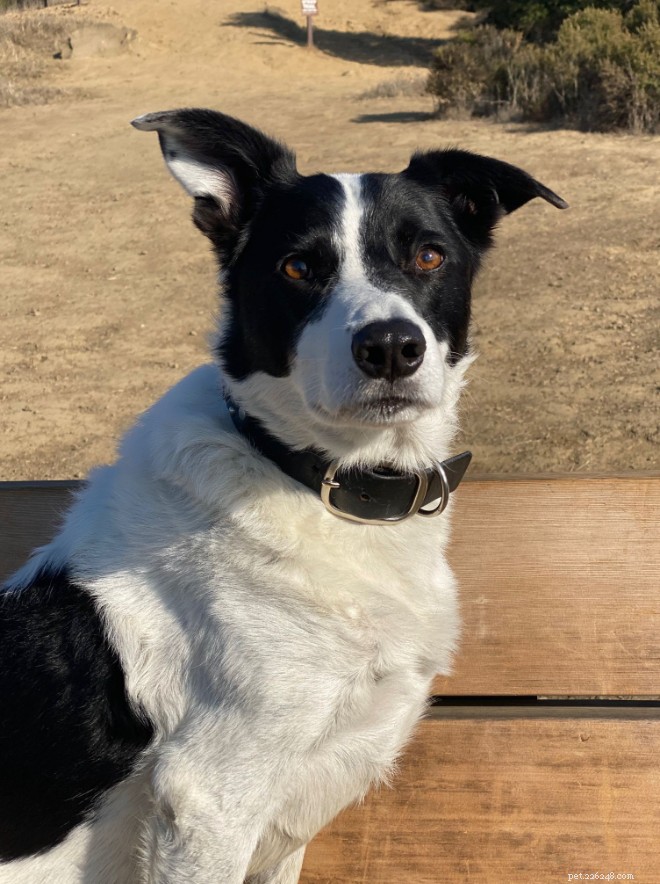
2. Skin Health – Preventing Hot Spots
Seasonal itching can turn into painful “hot spots” when a dog repeatedly licks the same area. Older dogs are especially vulnerable because their skin is thinner and inflammation lingers longer.
Darwin takes a daily Skin Rescue capsule, which combines postbiotics, zinc, and a highly bioavailable form of quercetin (nature’s Benadryl). Since adding this supplement, his hot spots are less frequent and less severe, even during peak allergy season.
3. Joint Mobility – Supporting Movement
Osteoarthritis is common in larger breeds. Early signs in Darwin were slower movement, stiffness after rest, and quicker fatigue.
Weight management, gentle walks, and occasional swimming help reduce joint load. We also give him PupFlex+ chews from BioPup, which support cartilage health and improve mobility. The result: Darwin is more comfortable and eager for walks.
4. Brain & Immune Health – Mushroom Blend
Immune function wanes with age, and a robust gut‑brain axis can help keep dogs alert. Darwin receives a daily blend of eight organic medicinal mushrooms (turkey tail, reishi, maitake, etc.). The beta‑glucans in these mushrooms calm brain inflammation, support cognition, and bolster immunity.
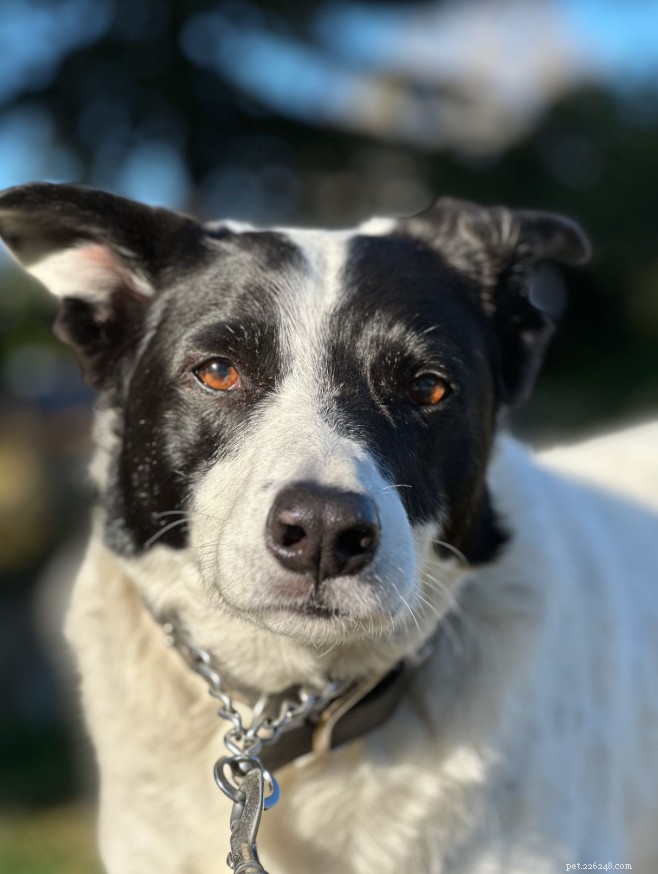
The powder is versatile—it can be mixed into food, turned into a broth, or baked into treats (Darwin’s favorite).
Mobility Aids That Actually Work
Many assistive products fall short, but we’ve found two that genuinely help Darwin:
- Help ’Em Up Harness – Supports both front and rear limbs when he needs assistance standing, climbing stairs, or entering the car.
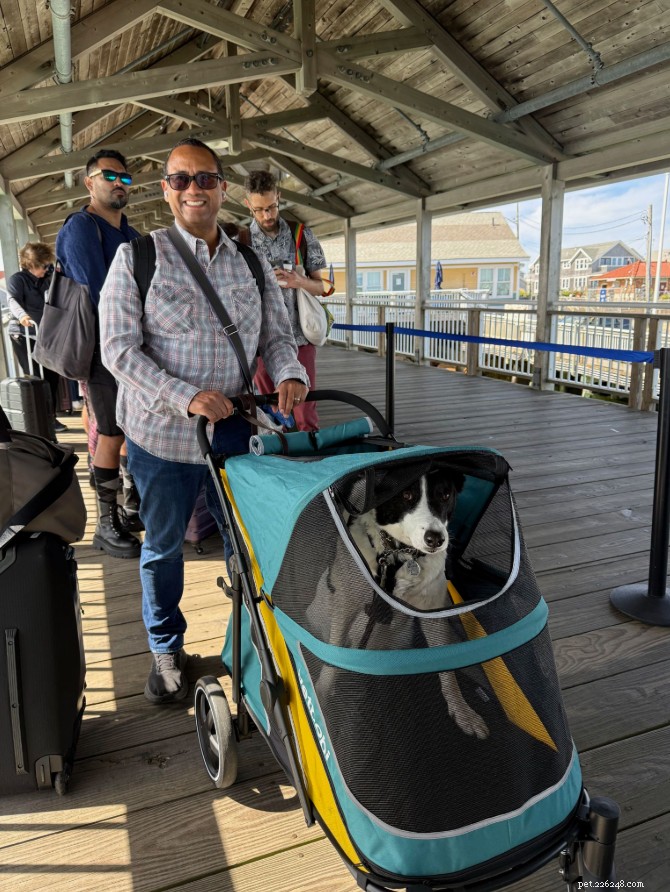
- Dog stroller – Allows him to join longer outings without overexertion.
We also add non‑slip rugs or yoga mats around his food and water bowls, and we use elevated bowls at shoulder height to reduce neck strain while eating.
Understanding Cancer Risk in Senior Dogs
Age‑related cancer is common—veterinarians estimate that about 50% of dogs over ten develop some form of cancer. Contributing factors include DNA damage accumulation, reduced immune surveillance, and chronic inflammation.
While we can’t eliminate the risk, maintaining gut health and controlling inflammation can support overall resilience. If cancer does arise, modern veterinary medicine offers pain‑relief options to keep your dog comfortable. Our friend Yuki, a mixed‑breed herding dog, lived joyfully with pancreatic cancer thanks to compassionate care.
Final Thoughts
Darwin is now 14 years old. By monitoring subtle changes and applying a consistent, system‑focused routine, we’ve extended his happy, active years. You may not control every aspect of aging, but you can strengthen the underlying systems that keep your senior dog comfortable and engaged.
For a quick reference, here’s Darwin’s supplement schedule:
- Daily (morning & evening): Mushroom Biome Blend, Skin Rescue, PupFlex+ Chews
- Every 4‑6 months: Gut Restore microbiome booster
- As needed: S. boulardii + FOS for soft stool
Explore more detailed advice on caring for senior dogs here.
- Pet Behavior
- Pet Breeds
- Pet Names
- Pet Adoption
- Pet Training
- Pet Information
- Pet Health
- Adorable Pets
- Dogs
- Rat Terrier: Origins, Traits & Playful Personality
- Effective Training Strategies for Your Mixed‑Breed Dog
- Chihuahua Dog Breed: History, Traits & Care Guide
- Siberian vs. Alaskan Huskies: Key Differences and What Makes Each Breed Unique
- Meet Arlo: A Resilient One-Year-Old Cat Seeking a Loving Home Despite Facial Deformity
- Laugh Out Loud: 2018's Best Genuine Dog Comedy Clips
- New DOT Ruling Tightens Rules on Emotional Support Animals on Flights