

Understanding Diabetes Mellitus in Pets: Causes, Symptoms, and Treatment
Diabetes mellitus is a chronic endocrine disorder that affects roughly 1 in 300 pets. Like human diabetes, it impairs the body’s ability to regulate blood‑sugar levels. Early recognition of the disease is essential for pet owners. Below, the Southern Arizona Veterinary Specialty & Emergency Center team outlines the causes, diagnosis, and management of diabetes in cats and dogs.
Causes of Diabetes Mellitus in Pets
Diabetes in dogs and cats usually results from either insufficient insulin production or poor insulin utilization. In dogs, risk factors include genetics, obesity, hormonal imbalances, and certain medications. In cats, obesity and other metabolic disturbances are the primary contributors. Most cases appear in adult or senior animals, and several breeds are predisposed. Small‑breed dogs such as miniature poodles, dachshunds, schnauzers, Cairn terriers, and beagles have higher rates, while cats of Burmese, Russian Blue, Norwegian Forest, and Abyssinian breeds are more susceptible. Female dogs are about twice as likely to develop diabetes as males.
Signs to Watch For
Early detection relies on recognizing common clinical signs:
- Increased thirst and frequent urination
- Weight loss despite a normal or increased appetite
- Lethargy or reduced activity
- Cloudy eyes or cataracts
- Recurrent infections (skin, urinary tract, etc.)
- Signs of ketoacidosis (vomiting, rapid breathing, weakness)
Diagnosing Diabetes Mellitus
If diabetes is suspected, a veterinarian will perform:
- Blood glucose measurement
- Urine analysis for glucose and ketones
- Additional tests to rule out diseases that mimic diabetes
Treatment and Management
Effective control combines lifestyle adjustments, medication, and regular monitoring.
- Insulin therapy: Most diabetic dogs and cats need insulin injections once or twice daily. The type and dose are tailored to each pet, and owners are trained to administer the shots at home.
- Dietary management: A consistent, low‑carbohydrate, high‑fiber diet—often a prescription diabetic food—helps stabilize blood sugar. Feeding at the same times each day is essential.
- Exercise: Regular, moderate activity supports weight control and glucose regulation. The veterinarian will recommend an exercise plan appropriate for the pet’s breed, weight, and health status.
- Blood‑glucose monitoring: Owners learn to use a glucometer to track glucose levels between veterinary visits. Routine check‑ups allow the team to adjust treatment as needed.
- Weight management: Overweight pets benefit from portion control, diet changes, and low‑impact exercise to improve insulin sensitivity.
- Medication adjustments: Insulin requirements may change over time; ongoing communication with the veterinary team ensures doses remain optimal.
- Complication management: Regular care helps detect and treat cataracts, urinary tract infections, neuropathy, and other diabetes‑related issues early.
- Hospitalization: Uncontrolled diabetes or severe ketoacidosis may require inpatient care with IV fluids and intensive monitoring.
Diabetic Ketoacidosis (DKA)
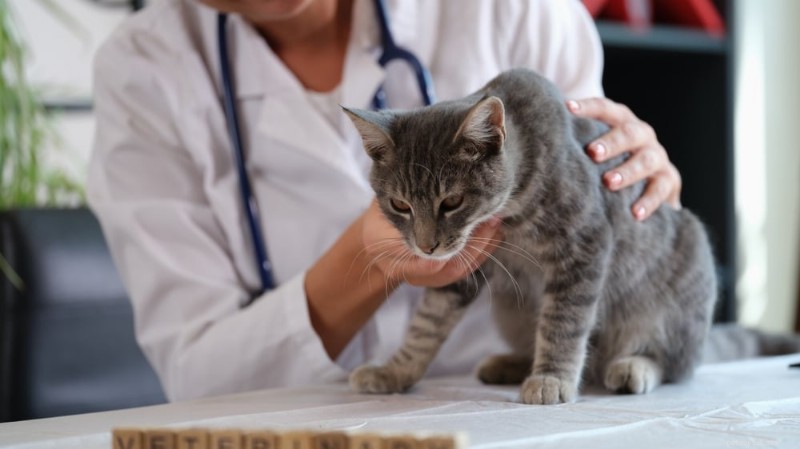
DKA is a life‑threatening emergency caused by extremely high blood glucose. Symptoms include lethargy, weakness, vomiting, rapid breathing, loss of appetite, and excessive thirst and urination. Immediate hospitalization and aggressive treatment are critical to prevent permanent organ damage.
Managing a diabetic pet can be challenging, but with guidance from our Southern Arizona Veterinary Specialty & Emergency Center team, you can provide optimal care for your companion. Contact us with any questions or concerns.
Share This Story, Choose Your Platform!
- Pet Behavior
- Pet Breeds
- Pet Names
- Pet Adoption
- Pet Training
- Pet Information
- Pet Health
- Adorable Pets
- Dogs
- Are Marshmallows Safe for Dogs? A Comprehensive Guide to Treats and Health
- Mandarinfish Care Guide: Species, Feeding, and Aquarium Tips
- Sensitive-Stomach Chicken & Rice Dog Diet – Fast Relief & Gentle Healing
- Supervet Teams with Noel Fitzpatrick for New Podcast Celebrating the Human‑Animal Bond
- Top 5 Premium Organic Cat Food Brands for Healthier, Happier Cats
- The Complete Grooming Guide for Your Maltese‑Shih Tzu
- Do All Sheep Have Horns? The Truth About Male and Female Horn Development